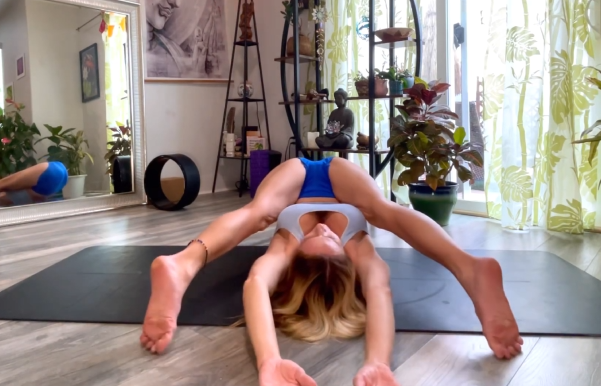
There is something mesmerizing about contortion. The fluid bends, the extreme arches, the seamless transitions between strength and flexibility — it looks almost unreal. But behind every graceful backbend and needle scale is discipline, structure, and intelligent training.
Training with Penelope is not about forcing the body into impossible shapes. It’s about building strength inside flexibility. It’s about respecting the spine, mastering control, and progressing safely through workout, fitness, yoga, gymnastics, and deep stretching.
Penelope often says:
“Flexibility without strength is fragile. Strength without flexibility is limited. Contortion is where they meet.”
Let’s step inside a full training session with her.
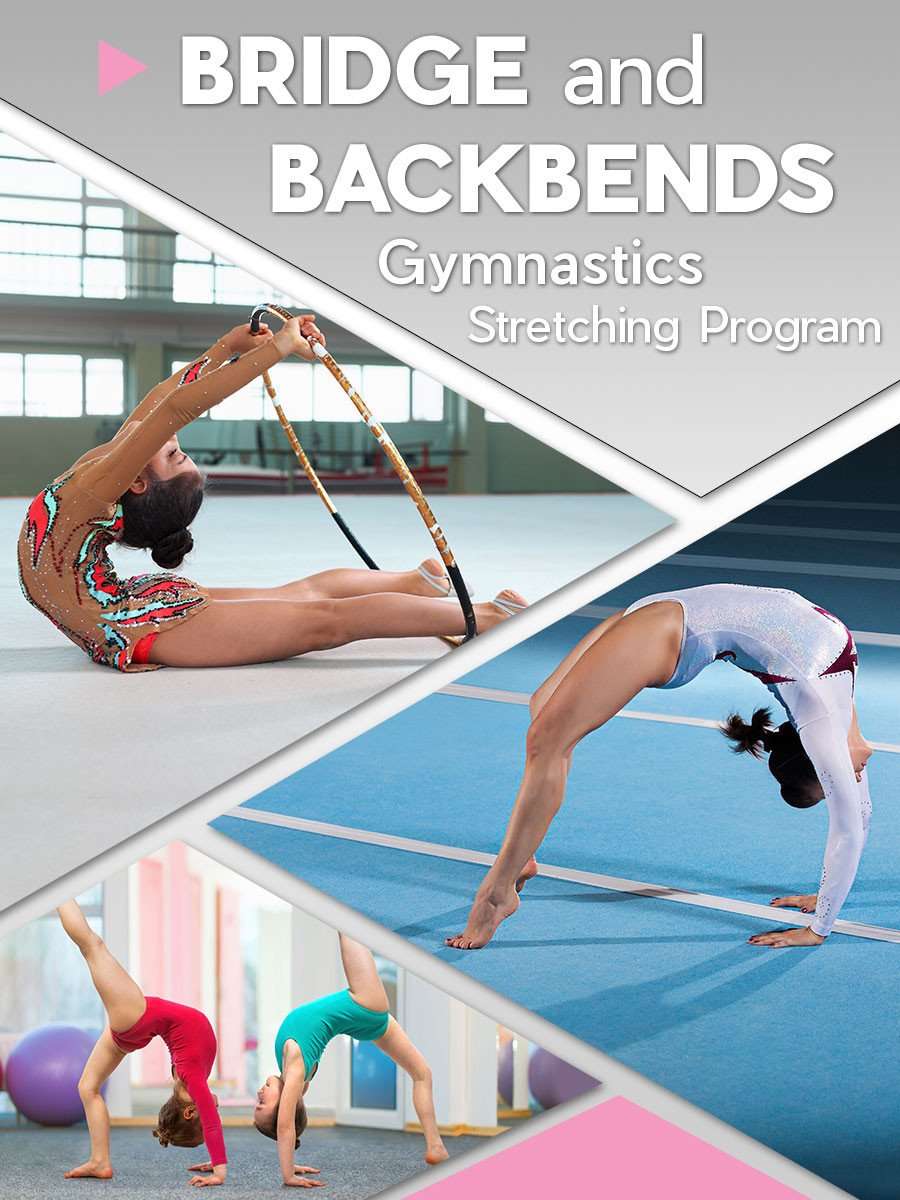
The Art of Contortion


4
Contortion is an advanced discipline that blends elements of yoga, gymnastics, dance, and athletic conditioning. It requires:
- Extreme spinal mobility
- Open shoulders and hips
- Active hamstring and hip flexor flexibility
- Core stability
- Controlled breathing
But Penelope teaches something deeper — body awareness.
Before pushing into any deep shape, she reminds her students:
“You must own the range before you extend it.”
That means strengthening every position you enter.
Phase 1: Warm-Up – Preparing the Body
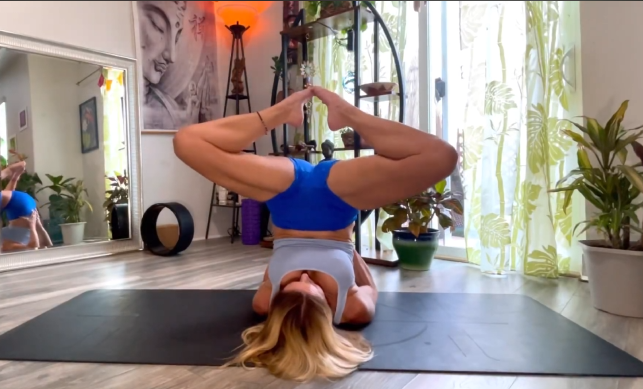
Contortion begins gently. Never rush into deep backbends.
1. Spinal Waves
Standing tall, Penelope rolls down one vertebra at a time, then rolls back up.
Slow. Controlled. Intentional.
10 reps.
This wakes up the spine without stress.
2. Cat-Cow Flow
Borrowed from yoga, this movement warms the entire back.
- Inhale: arch gently
- Exhale: round fully
8–12 smooth repetitions.
The focus isn’t depth — it’s articulation.
3. Shoulder Openers
Using a resistance band:
- Overhead pass-throughs
- 15 slow reps
Open shoulders protect the lower back during deep bends.
4. Glute Activation
Glute bridges — 15 reps.
Strong glutes stabilize the pelvis and prevent compression.
Penelope insists:
“Your backbend starts in your glutes.”
Phase 2: Core and Strength Conditioning


4
Before extreme flexibility, strength must be trained.
1. Hollow Body Hold
- 20–30 seconds
- Lower back pressed into floor
Core compression protects the spine in deep arches.
2. Plank Variations
Side plank with hip lifts — 10 reps each side.
Strong obliques prevent side collapsing in contortion poses.
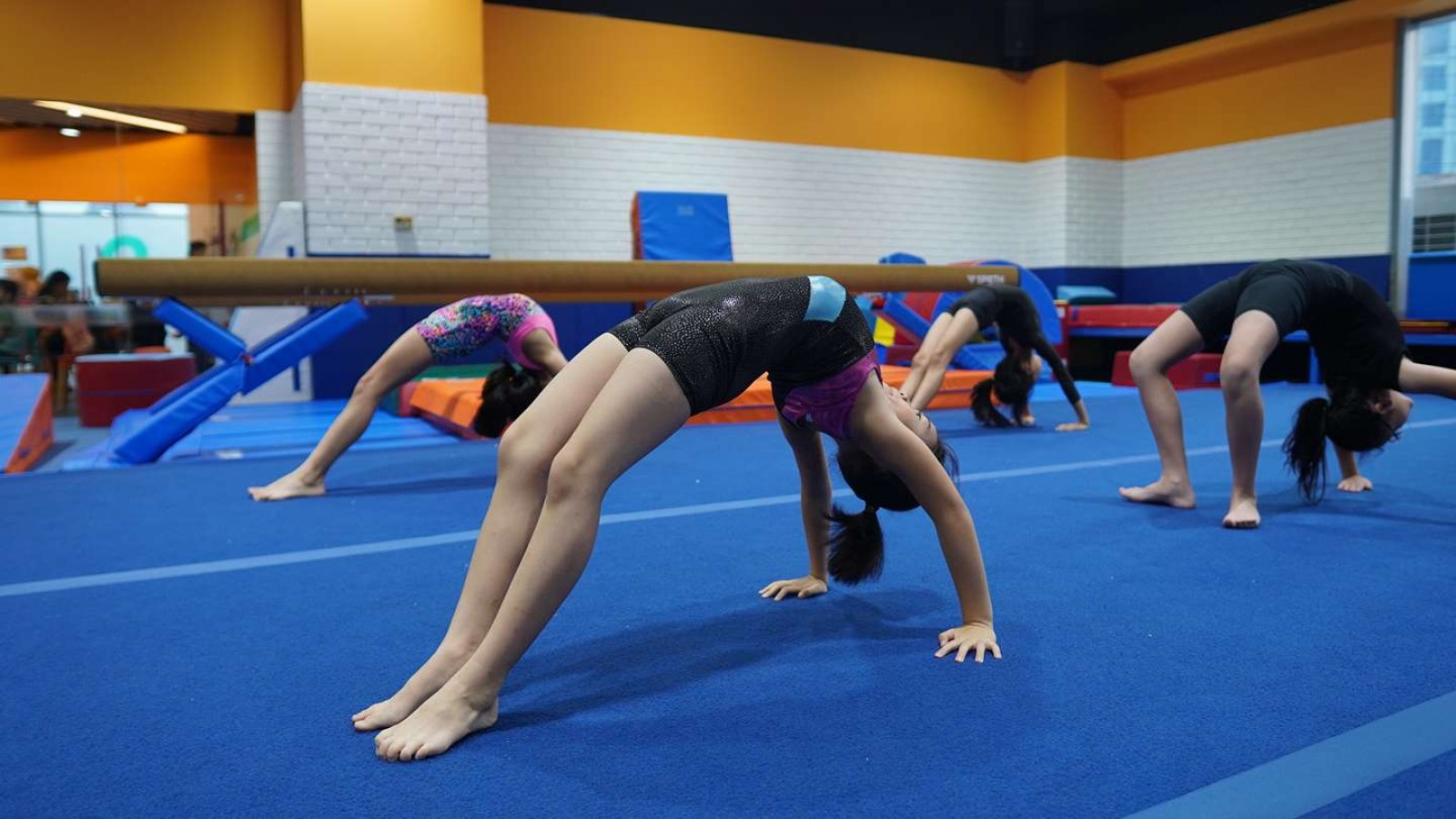
3. Bridge Holds (Strength, Not Collapse)
Penelope rises into a bridge.
But this isn’t a passive push-up bridge.
She:
- Engages glutes
- Presses through shoulders
- Keeps arms active
- Breathes steadily
Hold 20 seconds. Repeat 3 times.
Bridges are foundational in gymnastics and contortion training.
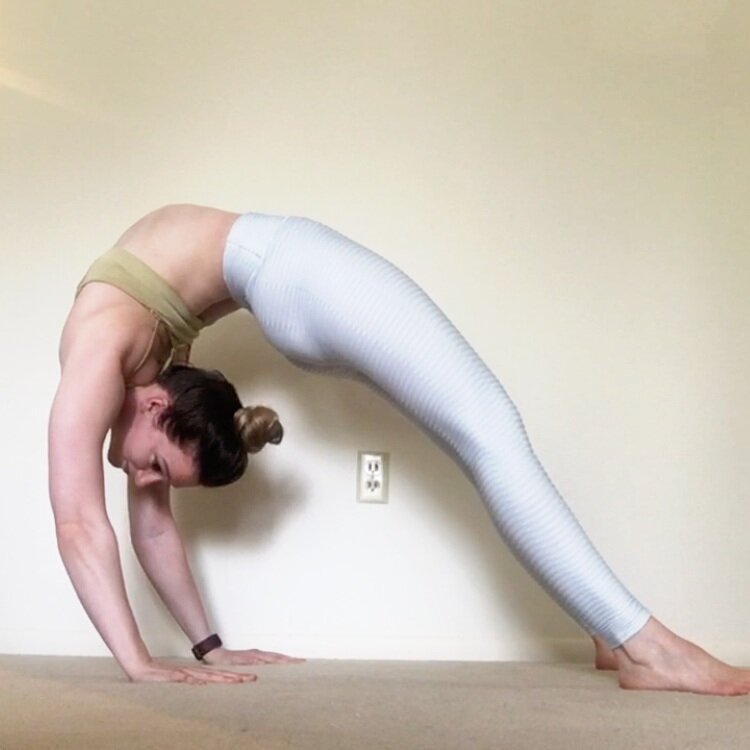
Phase 3: Backbend Progressions

4
Now the session becomes more intense1. Elevated Bridge
Feet on block or step.
This increases shoulder opening while reducing lower back compression.
Hold 20–30 seconds.
2. Forearm Bridge
Lower onto forearms from full bridge.
This increases spinal extension demand.
Control is key.
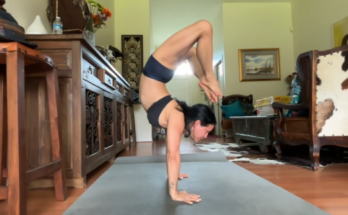
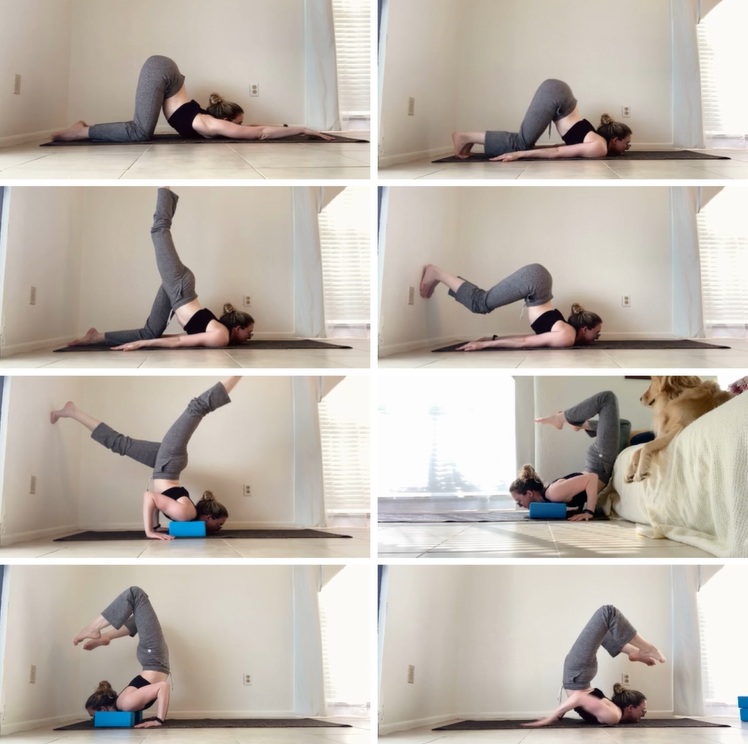
3. Chest Stand Prep
From prone position:
- Press legs overhead
- Support with hands
- Engage core
Penelope never forces depth. She increases range gradually over months.
4. Wall Walk-Downs
Standing against wall:
- Walk hands down into backbend
- Pause halfway
- Walk back up
3–5 controlled reps.
This builds both courage and spinal strength.
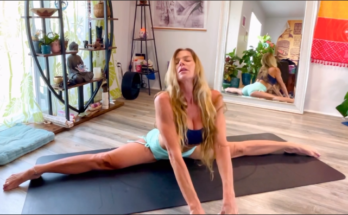
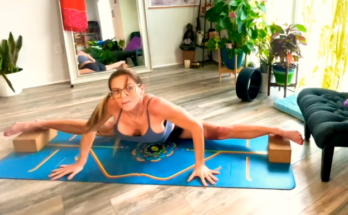
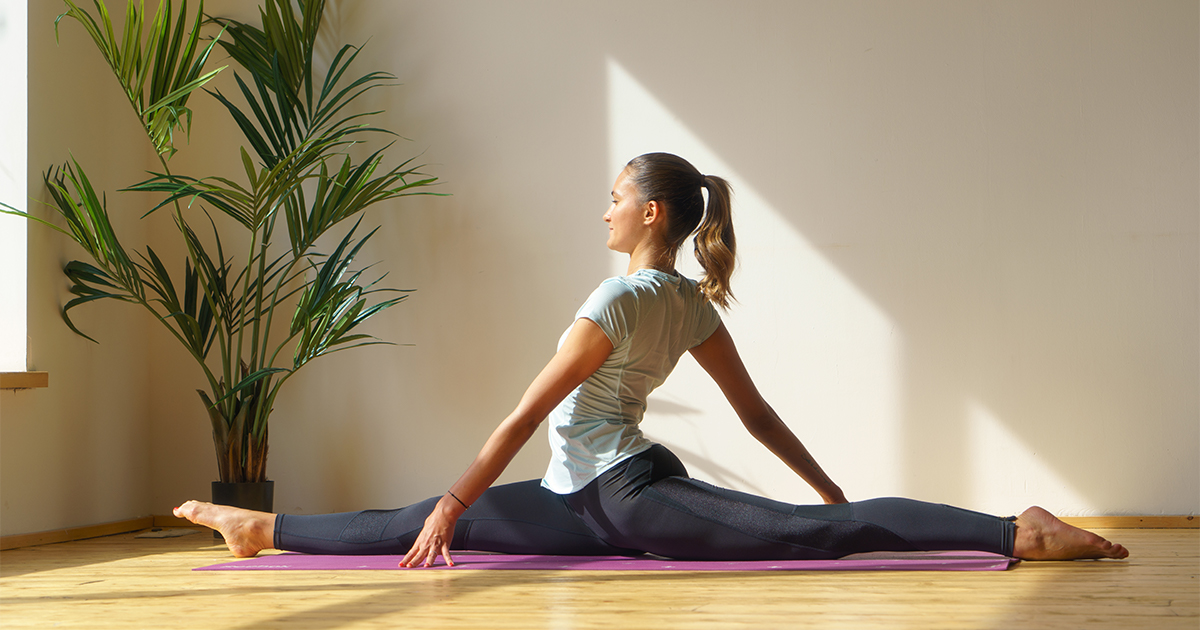
Phase 4: Front Flexibility & Splits
Contortion is not only about backbends. Front body flexibility is equally important.


4
1. Front Split Slides
Slowly slide into split.
Pause halfway.
Engage front hamstring actively.
Repeat 5 times each side.
2. Oversplit (Advanced)
Front foot elevated slightly.
Only when regular split is comfortable.
Never force.
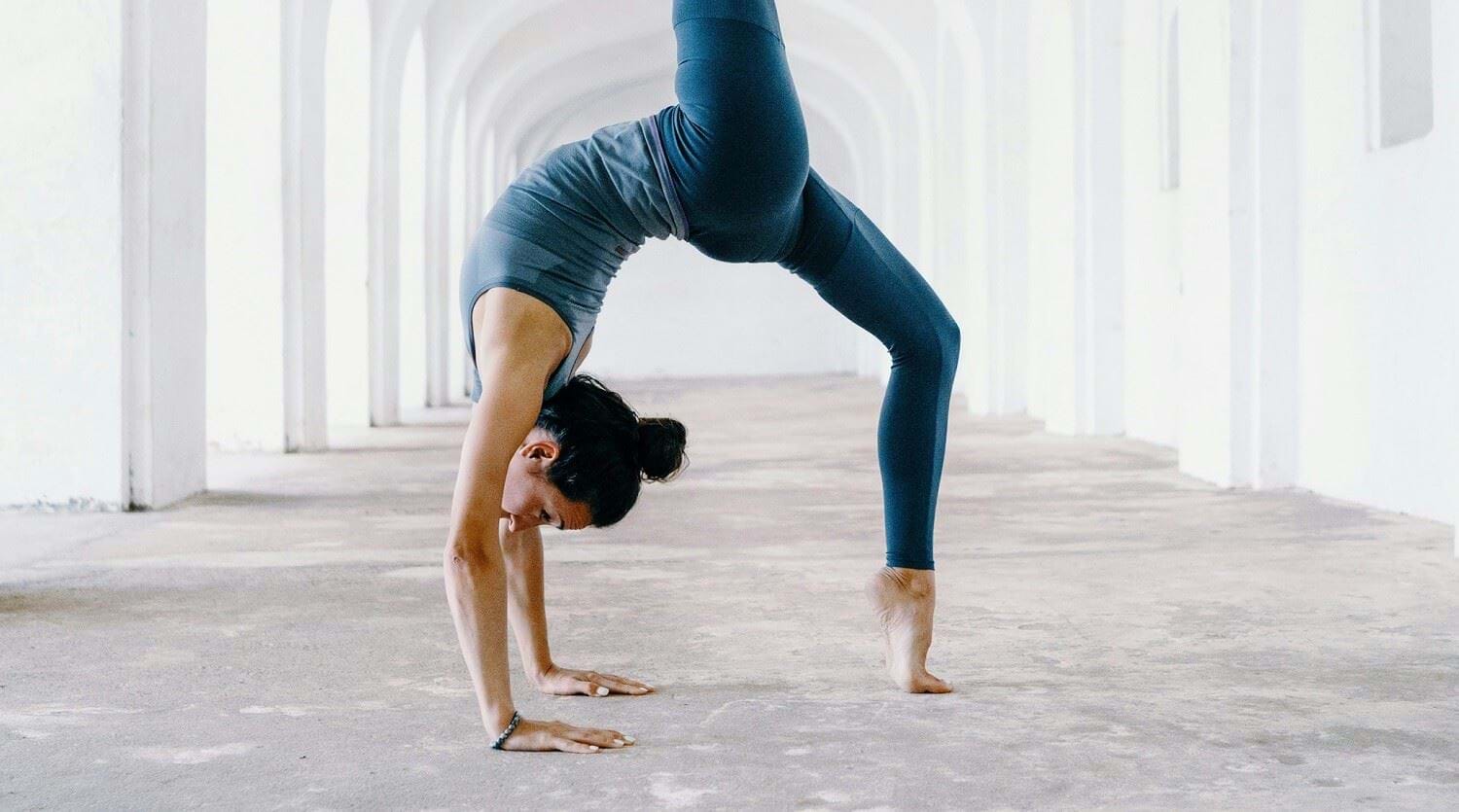
3. Needle Scale
Standing:
- Hold ankle behind
- Extend leg upward
- Chest lowers
Balance + flexibility + control.
This movement bridges gymnastics and contortion.
Phase 5: Mobility & Recovery
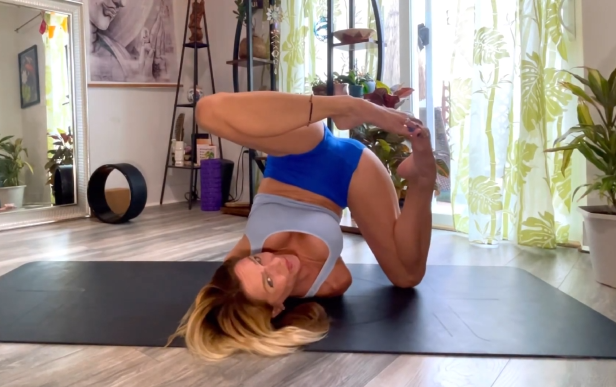
Penelope ends every session with controlled breathing.
Deep nasal inhale.
Slow exhale.
She emphasizes nervous system relaxation. Extreme flexibility requires the brain to feel safe.
If the body feels threatened, it tightens.
So recovery is not optional.
The Philosophy Behind Penelope’s Training
Contortion looks dramatic. But the training is disciplined and intelligent.
Penelope follows five core principles:
1. Warm Before Depth
Cold muscles tear.
2. Strength First
Control every inch of movement.
3. Gradual Progression
Increases happen millimeter by millimeter.
4. Balance Both Sides
Symmetry prevents injury.
5. Rest Days Matter
Flexibility improves during recovery.
Weekly Training Structure
For advanced flexibility goals:
3–4 days per week:
- 60–75 minutes sessions
Breakdown:
- 10 min warm-up
- 15 min strength conditioning
- 25 min flexibility progressions
- 10 min skill practice
- 5–10 min cooldown
Consistency builds sustainable results.
Common Mistakes in Contortion Training
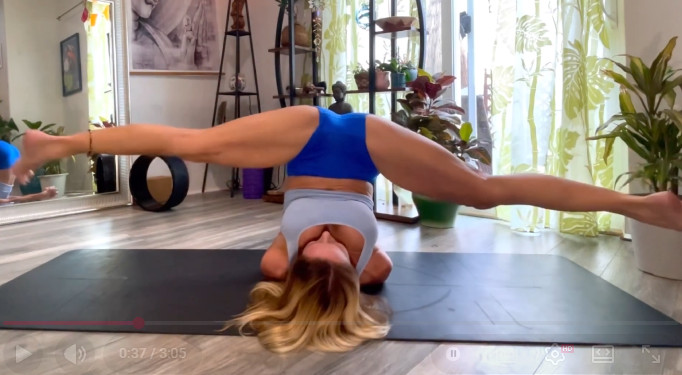
Penelope frequently corrects:
- Dumping weight into lower back
- Locking elbows in bridge
- Forgetting glute engagement
- Forcing splits aggressively
- Skipping core work
She reminds everyone:
“Contortion is athletic. Train like an athlete.”
The Role of Yoga & Gymnastics
Yoga builds breath control and joint awareness.
Gymnastics builds explosive power and active flexibility.
Fitness training builds resilience and muscle support.
Contortion combines all three.
A well-rounded program prevents overuse injuries.
Mental Discipline
Extreme flexibility challenges the mind.
Fear appears when going deeper.
Impatience appears when progress feels slow.
Penelope teaches calm progression.
Celebrate:
- 5-second longer hold
- 1 inch deeper split
- Cleaner bridge alignment
- Less discomfort
Progress in contortion is measured in control — not just depth.
Is Contortion Safe?
When trained intelligently, yes.
When rushed, no.
Key safety guidelines:
- Never stretch through sharp pain
- Avoid bouncing aggressively
- Maintain core engagement
- Train under supervision if possible
- Listen to your body
Hyperflexibility without stability increases risk.
Balanced training reduces it.
Transformation Through Training


4
Over months of training, something shifts.
Posture improves.
Spinal mobility increases.
Hip tension decreases.
Confidence grows.
Contortion is not only about aesthetics.
It builds resilience.
It teaches patience.
It strengthens mental focus.
The body becomes powerful in extreme ranges — not fragile.
Final Thoughts
Training with Penelope reveals a truth:
Contortion is not about being naturally flexible.
It’s about structured progression.
Workout builds strength.
Fitness builds endurance.
Yoga builds awareness.
Gymnastics builds control.
Stretching builds range.
Together, they create art.
If you approach contortion with patience, discipline, and intelligent programming, your body will adapt.
Slowly.
Safely.
Powerfully.
And one day, when you rise into a deep backbend or hold a needle scale with steady breath and strong core, you’ll understand:
It was never about bending more.
It was about becoming stronger within the bend.
That is the essence of contortion training.
Strength inside flexibility.
Control inside extension.
Grace inside power.
And with consistency, you can build it too.