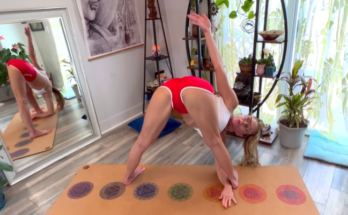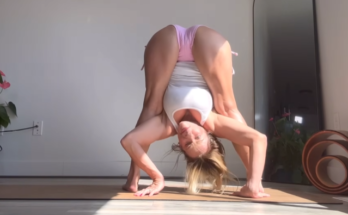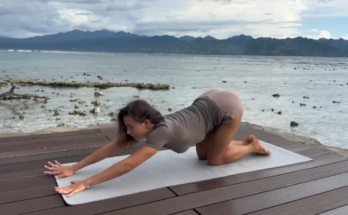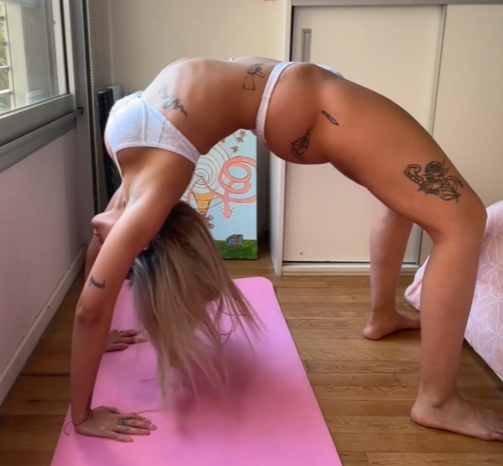
In a world that moves fast and demands constant attention, a relax stretching session is more than just a physical routine—it’s a gentle invitation to slow down, breathe deeply, and reconnect with your body. Whether you’ve spent the day sitting at a desk, standing for long hours, training hard, or simply feeling mentally overwhelmed, stretching offers a calm space where tension can melt away and balance can be restored. This session isn’t about pushing limits or achieving perfect poses; it’s about listening, softening, and allowing your body to feel safe and supported.
A relax stretching session begins with intention. Before moving, take a moment to notice how you feel. Are your shoulders tight? Is your lower back stiff? Do your hips feel heavy, or does your neck feel compressed from looking at screens? There’s no need to judge these sensations. Simply acknowledge them. Stretching works best when it’s guided by awareness rather than force. When you start with mindfulness, every movement becomes more meaningful and more effective.
Breathing is the foundation of relaxation stretching. Slow, deep breaths tell your nervous system that it’s okay to relax. As you inhale, imagine fresh energy entering your body. As you exhale, picture stress and tightness gently leaving. Throughout the session, try to synchronize your breath with your movements. Inhales can create space; exhales can encourage release. Even the simplest stretch becomes powerful when paired with calm, steady breathing.
Begin your session with gentle neck and shoulder movements. The neck often holds stress from emotional tension and long hours of focus. Slowly tilt your head from side to side, moving within a comfortable range. Roll your shoulders forward and backward, feeling the muscles warm and loosen. These small, mindful movements prepare your body for deeper stretches while already providing a sense of relief.
As you move into upper body stretches, focus on opening the chest and lengthening the spine. Stretching the arms overhead or gently pulling one arm across the body can release tightness in the shoulders and upper back. Keep your movements slow and controlled. There’s no rush. The goal is to feel a gradual softening, not a sharp pull. If something feels uncomfortable, ease off and adjust.

Next, allow attention to travel down the spine. Gentle spinal stretches help improve circulation, reduce stiffness, and promote overall relaxation. Forward folds, seated twists, or slow cat-and-cow movements are excellent choices. As you bend or twist, imagine creating space between each vertebra. These movements not only benefit your physical body but also help calm a busy mind, as repetitive, flowing motions can be deeply soothing.
The hips deserve special care in any relax stretching session. They are a common storage area for stress, emotions, and prolonged tension, especially for people who sit a lot. Hip-opening stretches, when done gently, can feel incredibly grounding. Sit comfortably or lie on your back and slowly guide your legs into positions that feel supportive. Use cushions or pillows if needed. Comfort is not a weakness—it’s a tool that allows deeper relaxation.
As you stretch the legs, focus on the hamstrings, calves, and thighs. These muscles work hard every day, often without appreciation. Gentle stretches can improve flexibility, reduce fatigue, and enhance circulation. Instead of forcing your legs straight or reaching aggressively, bend your knees slightly if needed and prioritize a relaxed sensation. A good stretch should feel relieving, not painful.
Throughout the session, keep returning to your breath. If your mind wanders—and it will—gently guide it back to the sensations in your body. Notice the warmth in your muscles, the rhythm of your breathing, and the subtle changes as tension releases. This mindful attention transforms stretching into a moving meditation, helping you feel more present and centered.
A relax stretching session is also an opportunity to practice kindness toward yourself. Some days your body feels open and flexible; other days it feels stiff and resistant. Both are completely normal. Progress in stretching isn’t linear, and it doesn’t need to be measured. Showing up and giving your body time and care is already enough.
As you near the end of your session, slow everything down even more. Hold stretches a little longer, but only if it feels comfortable. Longer holds allow muscles to relax more deeply, especially when paired with slow breathing. This is a perfect time to stretch areas that still feel tight, but always with gentleness and patience.
Finish your relax stretching session in stillness. Lie down or sit quietly, allowing your body to absorb the benefits of the practice. Close your eyes if that feels comfortable. Notice how your body feels compared to when you started. You might feel lighter, calmer, or simply more aware. Even subtle shifts are meaningful.
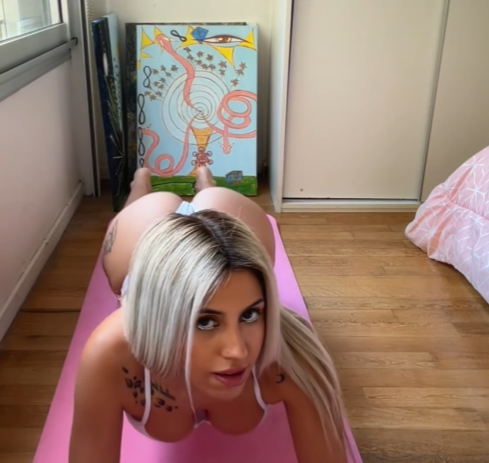
The beauty of a relax stretching session lies in its simplicity and accessibility. You don’t need special equipment, advanced flexibility, or a lot of time. Even 10 to 20 minutes can make a noticeable difference in how you feel physically and mentally. Practiced regularly, stretching can improve posture, reduce stress, enhance sleep quality, and support overall well-being.
Stretching also teaches patience. Unlike intense workouts that focus on speed or strength, relaxation stretching invites you to slow down and tune in. It reminds you that rest and recovery are just as important as effort. In a culture that often celebrates pushing harder, choosing to stretch gently is a powerful act of self-care.
You can adapt a relax stretching session to any time of day. In the morning, it can help wake up your body and set a calm tone for the day ahead. In the evening, it can release the accumulated tension of the day and prepare you for restful sleep. Listen to what your body needs and adjust accordingly.
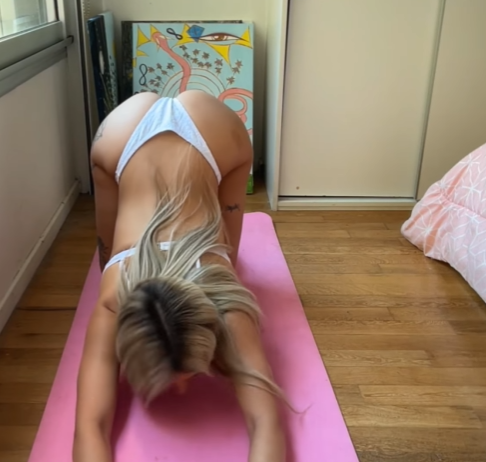
Over time, you may notice that stretching doesn’t just change your body—it changes your mindset. You may become more aware of your posture, your breathing, and your stress levels throughout the day. This awareness allows you to make small adjustments before tension builds up, creating a more balanced and comfortable daily experience.
In essence, a relax stretching session is a conversation between you and your body. It’s a chance to ask, “What do you need right now?” and to respond with care and attention. There’s no right or wrong way to stretch, only what feels supportive and nourishing for you in that moment.
By making space for regular relax stretching sessions, you give yourself permission to pause, breathe, and reconnect. In that quiet space, you may find not only physical relief but also mental clarity and emotional ease. And sometimes, that gentle pause is exactly what we need to move through life with a little more softness, balance, and grace.