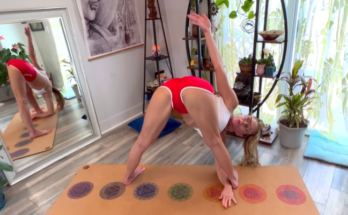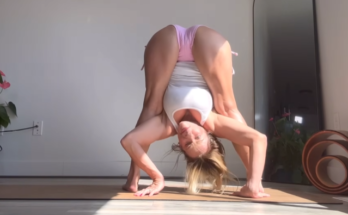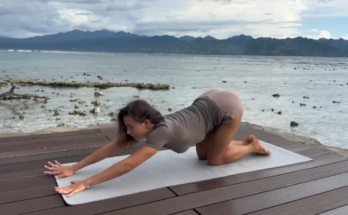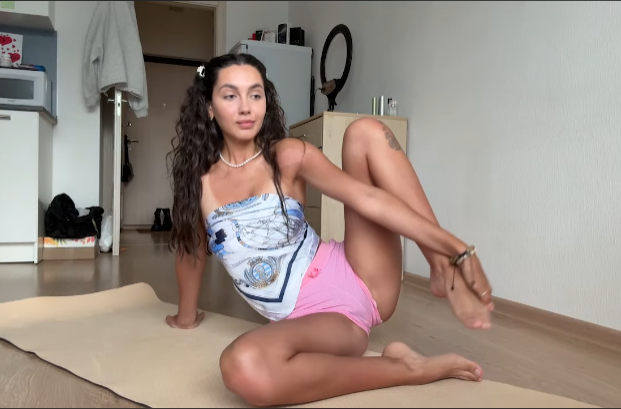
Stretching and contortion are two practices connected by flexibility, yet separated by intention, depth, and discipline. Stretching is a fundamental form of self-care, accessible to everyone regardless of age or experience. It focuses on gently lengthening muscles, improving mobility, and supporting physical and mental well-being. Contortion, by contrast, is a highly specialized practice that explores the extreme ranges of flexibility the human body can achieve when trained carefully over time. Together, they represent both the beginning and the peak of flexibility training.
Stretching is where all movement practices begin. From daily morning stretches to post-workout cool-downs, stretching helps maintain healthy muscles and joints. It increases circulation, improves posture, and reduces stiffness caused by inactivity or repetitive movement. Stretching also plays a vital role in injury prevention by preparing muscles to move efficiently and respond safely to physical demands. When practiced consistently, it creates a body that feels lighter, freer, and more responsive.
Contortion grows from this foundation. It is not simply “stretching more,” but rather a blend of flexibility, strength, balance, and control. Contortionists train their bodies to bend deeply through the spine, shoulders, hips, and legs, often creating dramatic and visually striking shapes. However, behind every extreme position is years of patient training and careful preparation. True contortion values precision and safety over appearance.
One of the most important connections between stretching and contortion is awareness. Stretching teaches you to notice sensations in your body—tightness, ease, resistance, and release. This awareness becomes essential in contortion, where small misalignments can make a big difference. Knowing how your body feels in each movement allows you to adjust, protect yourself, and progress safely.
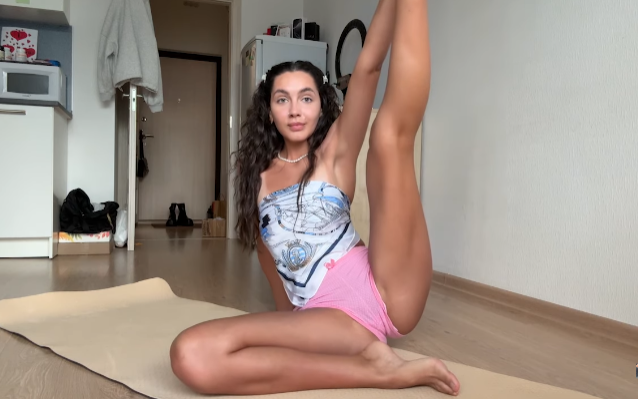
Breathing is another shared foundation. In stretching, slow and steady breathing encourages muscles to relax and lengthen naturally. When the breath is calm, the nervous system shifts into a state that supports flexibility. In contortion, breath becomes even more critical. Deep backbends or intense hip openers require steady breathing to maintain control and reduce tension. Breath is the bridge between effort and ease.
Stretching emphasizes gradual progress. Muscles and connective tissues need time to adapt to increased range of motion. Forcing a stretch can lead to strain or injury, while gentle, repeated practice builds lasting flexibility. Contortion follows the same principle, just on a longer timeline. Many contortionists train for years to achieve certain poses, respecting the body’s pace rather than rushing results.
The spine is central to both practices. Stretching keeps the spine mobile and healthy, counteracting the effects of long hours of sitting or standing. Gentle spinal movements such as forward folds, twists, and extensions nourish the discs and surrounding muscles. In contortion, spinal flexibility becomes highly advanced, requiring deep backbends and controlled extensions. This level of movement demands not only flexibility but also strong core muscles to protect the spine.
Strength is often misunderstood in flexibility training. Stretching alone improves range of motion, but without strength, that range can be unstable. Contortion highlights this clearly. Extreme flexibility without muscular control increases the risk of injury. Strong muscles support deep bends, stabilize joints, and allow the practitioner to enter and exit poses safely. In this way, contortion reveals that flexibility and strength are partners, not opposites.
The hips and shoulders are key focus areas in both stretching and contortion. These joints are designed for wide movement but often become tight due to modern lifestyles. Stretching restores their natural mobility, improving comfort and movement quality. Contortion pushes these joints to their maximum potential, requiring careful warm-ups and targeted conditioning. Respecting joint health is essential at every level.
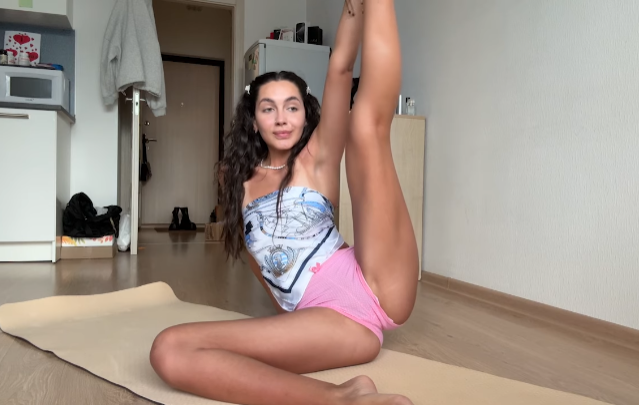
Mental discipline plays a significant role as well. Stretching can be calming and meditative, offering a pause from daily stress. Contortion requires even deeper concentration. Fear, hesitation, or impatience can limit progress and increase tension. A calm, focused mind allows the body to relax into deeper positions while maintaining control.
Listening to the body is a skill developed through stretching and perfected through contortion. Discomfort and pain are not the same. Stretching may feel intense, but it should never be sharp or alarming. Contortion follows the same rule. Pain is a signal to stop or adjust, not a challenge to overcome. Respecting these signals builds a sustainable practice and prevents long-term damage.
Another important factor is individuality. Every body is different. Bone structure, muscle composition, genetics, and training history all influence flexibility. Stretching benefits everyone, but contortion-level flexibility may not be appropriate or achievable for all bodies. This does not diminish the value of either practice. Progress should always be measured against your own starting point, not someone else’s abilities.
Recovery is essential in both stretching and contortion training. Stretching supports recovery by reducing muscle tension and improving circulation. After intense contortion sessions, gentle stretches and rest help the body adapt and heal. Overtraining can lead to stiffness, fatigue, or injury, while balanced recovery supports long-term growth.
Stretching and contortion also influence emotional well-being. Many people hold emotional stress in their bodies, especially in the hips, shoulders, and jaw. Stretching these areas can create a sense of emotional release and relief. Contortion, with its expressive and powerful shapes, can build confidence and a strong connection between body and mind.
Consistency matters more than intensity. A short daily stretching routine is more effective than occasional long sessions. Similarly, contortion training benefits from regular, focused practice rather than extreme effort. Small, steady steps lead to meaningful progress over time.
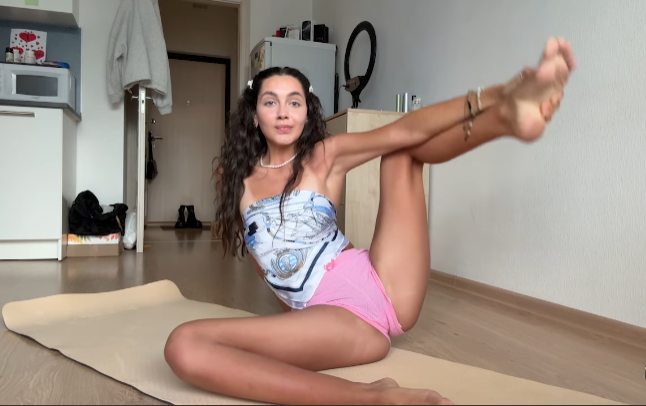
Safety and guidance are crucial, especially in contortion. Proper warm-ups, supportive props, and knowledgeable instruction can make a significant difference. Stretching can often be self-guided, but contortion benefits greatly from experienced teachers who understand anatomy and technique. Learning safely allows flexibility to increase without compromising health.
Stretching improves everyday life in practical ways. Movements feel smoother, posture improves, and physical discomfort decreases. Contortion, while more specialized, enhances balance, coordination, and body awareness. Both practices cultivate patience, discipline, and respect for the body.
Flexibility is not static. It changes with sleep, stress, hydration, and overall health. Some days the body feels open and flexible; other days it feels tight and resistant. Stretching and contortion training should adapt to these changes rather than fight them. Progress is not lost on “tight days”; it is simply part of the process.
Ultimately, stretching and contortion are not about extremes—they are about exploration. Stretching explores comfort, release, and mobility. Contortion explores possibility, control, and expression. One prepares the body; the other challenges it. Together, they create a balanced approach to flexibility that honors both limits and potential.
By practicing stretching and contortion with patience, awareness, and respect, we learn to work with our bodies rather than against them. We discover that flexibility is not just physical—it is mental and emotional as well. Through consistent, mindful practice, stretching and contortion become powerful tools for self-discovery, resilience, and grace in movement.