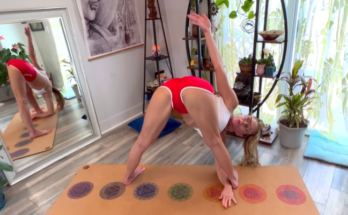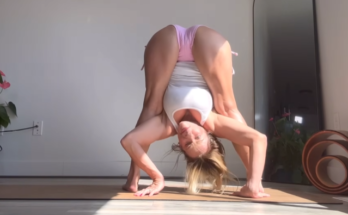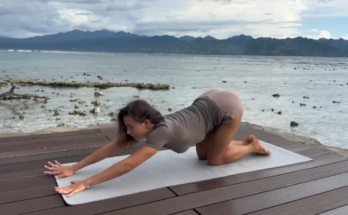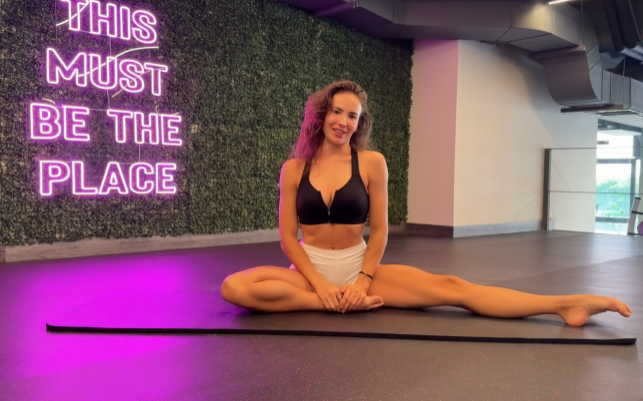
Before the weights clang, before the treadmill starts humming, before your heart rate rises and sweat begins to flow, there is one crucial step that often gets rushed or skipped entirely: the warm-up. Warm-up stretching is not just a formality—it is the foundation of a safe, effective, and enjoyable workout. In the Chebyjane approach, warming up is about preparing the body with intention, awareness, and respect, so every gym session starts strong and finishes even stronger.
A proper warm-up stretching routine wakes up your muscles, lubricates your joints, improves mobility, and mentally prepares you for training. It bridges the gap between daily life—sitting, walking, commuting—and the physical demands you’re about to place on your body. Whether you’re lifting heavy, doing cardio, or heading into a full-body workout, warm-up stretching helps reduce injury risk and improves performance.
Begin your warm-up by grounding yourself. Stand tall with your feet hip-width apart. Take a deep breath in through your nose, filling your lungs fully. Exhale slowly through your mouth, letting your shoulders drop. This simple breath signals your nervous system that it’s time to shift from rest mode into movement mode. Even 20–30 seconds of focused breathing can sharpen your concentration and improve coordination.
Start with gentle neck mobility. Many people carry tension in the neck and upper shoulders, especially after long hours of sitting or looking at screens. Slowly tilt your head to the right, bringing your ear toward your shoulder without forcing it. Hold for a breath, then return to center. Repeat on the left side. Next, gently look down, bringing your chin toward your chest, feeling a stretch along the back of the neck. Lift your head back to neutral. Avoid rolling the neck in full circles; instead, keep movements controlled and smooth.
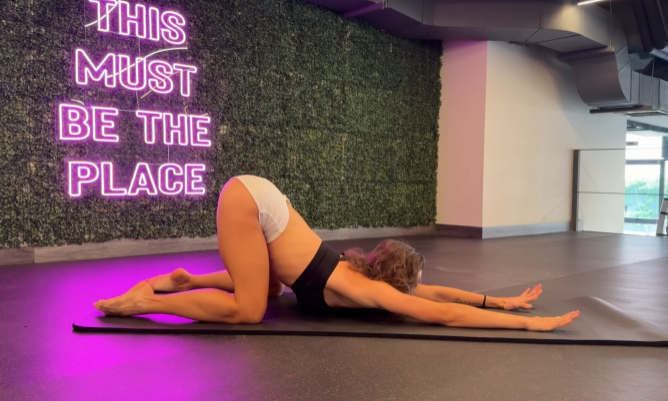
Move into shoulder warm-up stretches. Roll your shoulders forward in slow, wide circles for 8–10 repetitions, then reverse the direction. Feel the shoulder joints loosening, blood beginning to flow. Next, extend one arm across your chest and use the opposite hand to gently pull it closer, stretching the shoulder and upper back. Hold for a few seconds, breathe, then switch sides.
Now bring attention to the arms and upper back. Interlace your fingers in front of you, palms facing outward, and gently push your hands forward while rounding your upper back slightly. This stretch opens the space between the shoulder blades, which is especially important before upper-body workouts. Inhale deeply into the stretch, then release.
Raise your arms overhead, reaching tall as if you’re trying to touch the ceiling. Feel the length through your sides and spine. On an exhale, gently lean to the right, stretching the left side of your body. Inhale back to center, then exhale to the left. These side stretches help activate the obliques and prepare your torso for rotation and stability.
Next, move into spinal mobility. Place your hands on your hips and gently rotate your torso to the right, then to the left, keeping your hips facing forward. This controlled twisting motion warms up the spine and core muscles, which are essential for nearly every gym movement—from squats to presses.
Now shift focus to the lower body, starting with the hips. Hip joints are central to athletic performance and are often tight due to prolonged sitting. Begin with hip circles: place your hands on your hips and draw slow circles with your pelvis, as if tracing a circle with your hips. Do 6–8 circles in one direction, then switch. Keep the movement smooth and pain-free.
Step into a gentle forward lunge with your right foot. Bend the front knee while keeping the back leg extended. This stretch warms up the hip flexors, quadriceps, and glutes. Lightly pulse forward and back, staying relaxed. Raise your arms overhead if comfortable to increase the stretch. After a few breaths, switch sides.
From standing, hinge at the hips and fold forward slightly, allowing your upper body to hang. Bend your knees as much as needed. This dynamic forward fold warms up the hamstrings and lower back. Gently sway side to side or slowly straighten and bend the knees to encourage circulation. Avoid bouncing aggressively—keep it controlled and comfortable.
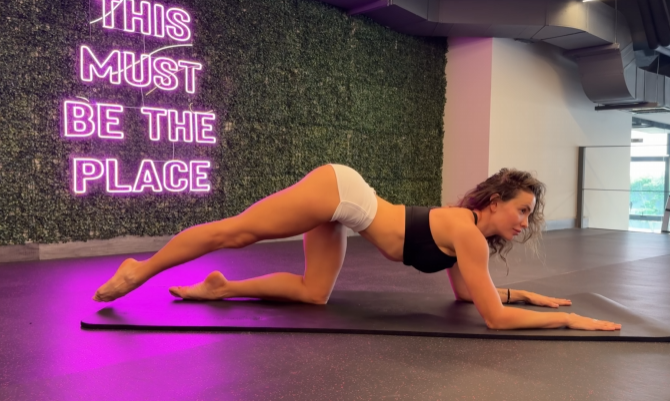
Roll up to standing slowly, stacking one vertebra at a time. This controlled rise reinforces spinal awareness and prevents dizziness. Once upright, check in with your body. You may already feel warmer, more alert, and more mobile.
Now move to dynamic leg warm-ups. Lift your right knee toward your chest, hold briefly, then lower it. Alternate legs, performing 8–10 repetitions per side. This activates the hip flexors and improves balance. For added engagement, swing the leg forward and back gently, keeping your core tight and posture tall.
Next, perform side leg swings. Hold onto a wall or machine for balance if needed. Swing one leg side to side, crossing slightly in front of the body and then opening out. This movement warms up the inner and outer thighs, preparing the hips for lateral movements. Switch legs after 10–12 swings.
Warm up the knees with gentle movements. Stand with your feet together and place your hands just above your knees. Make small circles with your knees, moving slowly in one direction, then reversing. This helps lubricate the knee joints and prepare them for squats, lunges, and cardio.
Now focus on the calves and ankles. Step one foot back and press the heel gently into the ground, feeling a stretch in the calf. Bend and straighten the front knee to make the stretch dynamic. Switch sides. Then lift one foot off the ground and rotate the ankle in slow circles, 6–8 times each direction. Repeat on the other side. Strong, mobile ankles are essential for balance, jumping, and running.
To further elevate your heart rate slightly, incorporate light dynamic movements. March in place, gradually lifting your knees higher. Add arm swings to increase blood flow. You can also perform gentle jumping jacks or step jacks for 30–60 seconds, depending on your fitness level. The goal is not to exhaust yourself, but to feel warm and ready.
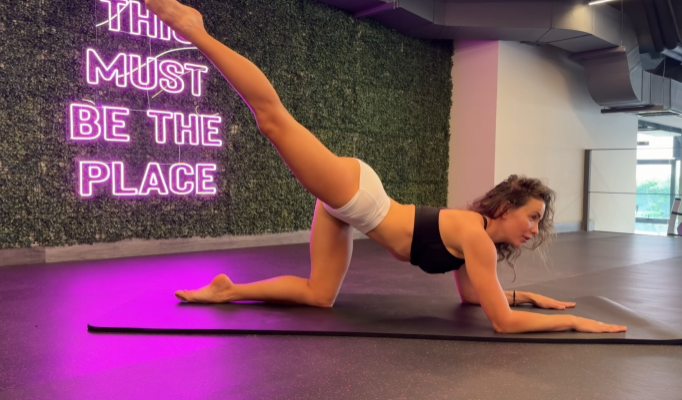
Finish your warm-up with activation-focused stretches. Stand tall and perform a few bodyweight squats, moving slowly and with control. Focus on proper form—chest lifted, knees tracking over toes, weight through the heels. Do 8–10 reps. This primes the glutes, quads, and core.
Follow with arm circles and light shadow boxing movements to activate the upper body. Keep your fists relaxed and movements fluid. This is especially useful before strength training or cardio sessions involving the arms.
Take a final deep breath. Inhale through the nose, arms lifting overhead. Exhale through the mouth as you lower your arms. Notice how your body feels now compared to when you walked into the gym. Your joints should feel looser, muscles warmer, and mind more focused.
In the Chebyjane philosophy, warm-up stretching is an act of self-respect. It’s not wasted time—it’s an investment. It allows you to lift with better form, run with better mechanics, and move with confidence. Skipping the warm-up might save a few minutes, but it often costs more in the long run through stiffness, reduced performance, or injury.
Every workout begins before the first rep. By committing just 8–12 minutes to warm-up stretching before the gym, you set the tone for a stronger, safer, and more satisfying session. Listen to your body, move with intention, and let your warm-up be the signal that you’re ready to train—fully prepared, fully present, and fully powerful.