Good health is not just about eating well or resting enough; it is about moving your body in ways that energize, strengthen, and maintain balance. Mobilisation—the ability to move freely and efficiently—is at the heart of physical wellness. When combined with motivation, it transforms exercise from a chore into a tool for vitality. Today, we explore six “hot” exercises that not only enhance health but also create mobilisation, inspire motivation, and encourage you to move with purpose every day.
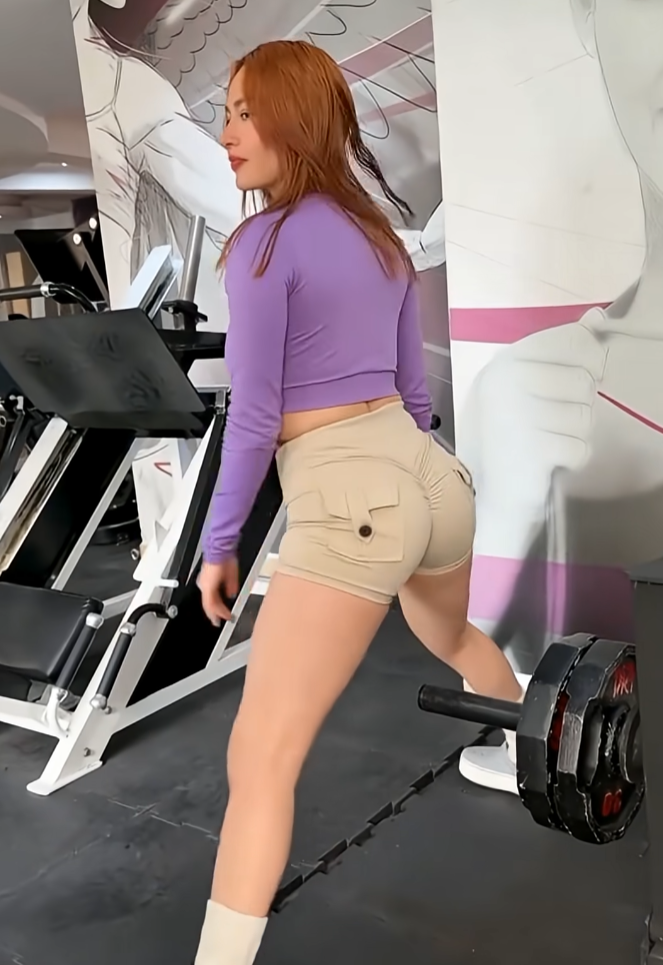
1. Dynamic Warm-Up: Arm and Leg Swings
Before diving into intense exercise, mobilising your joints is essential. Arm and leg swings are deceptively simple but highly effective.
How to do it:
Stand tall with feet shoulder-width apart. Swing your arms forward and backward, then side to side, in smooth, controlled movements. Follow with leg swings—one leg forward and backward, then side to side—while holding onto a wall or chair for support.
Why it works:
These movements activate your shoulder, hip, and core muscles. They loosen joints, increase blood flow, and prepare the nervous system for coordination. Arm and leg swings also enhance balance as your body learns to stabilise while moving.
Motivation factor:
Starting with a warm-up signals your body and mind that it’s ready for action. This simple routine sets a positive tone for the workout, giving you the confidence and energy to keep moving.
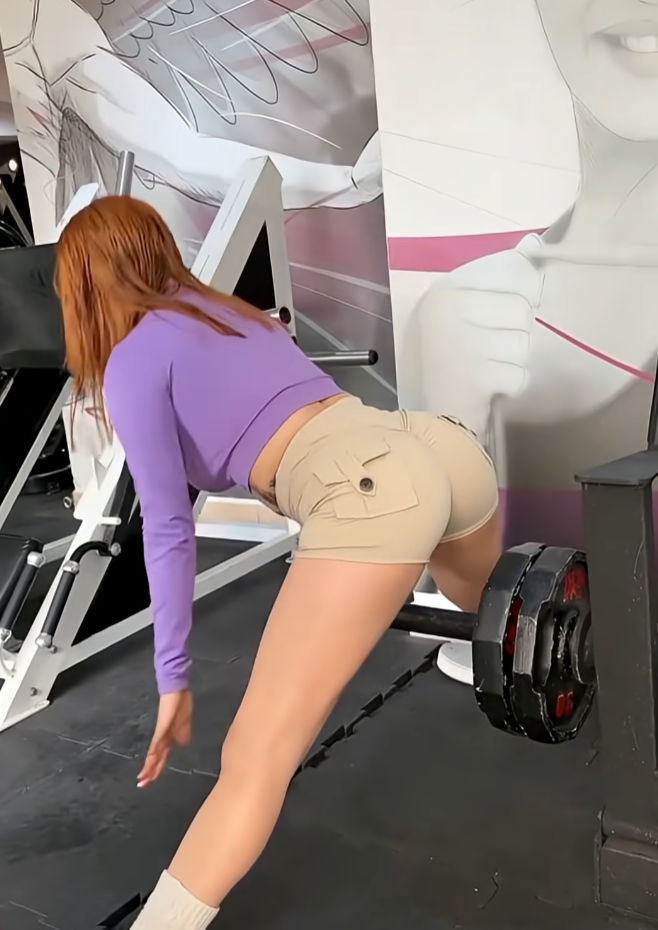
2. Squat with Reach: Strength and Mobility Combo
The squat is one of the most functional exercises for overall health. Adding an arm reach increases its mobilisation benefit.
How to do it:
Stand with feet slightly wider than hip-width apart. Lower into a squat by bending your knees and pushing your hips back. As you rise, reach both arms overhead or forward. Keep movements smooth and controlled, engaging your core.
Why it works:
Squats strengthen the thighs, glutes, and core while promoting knee and ankle mobility. The arm reach engages the shoulders and upper back, enhancing coordination and posture. This combination encourages fluid motion and stability.
Motivation factor:
Squats are empowering—they remind you that your body is strong and capable. Each repetition reinforces your connection to your muscles, building confidence and a sense of accomplishment.
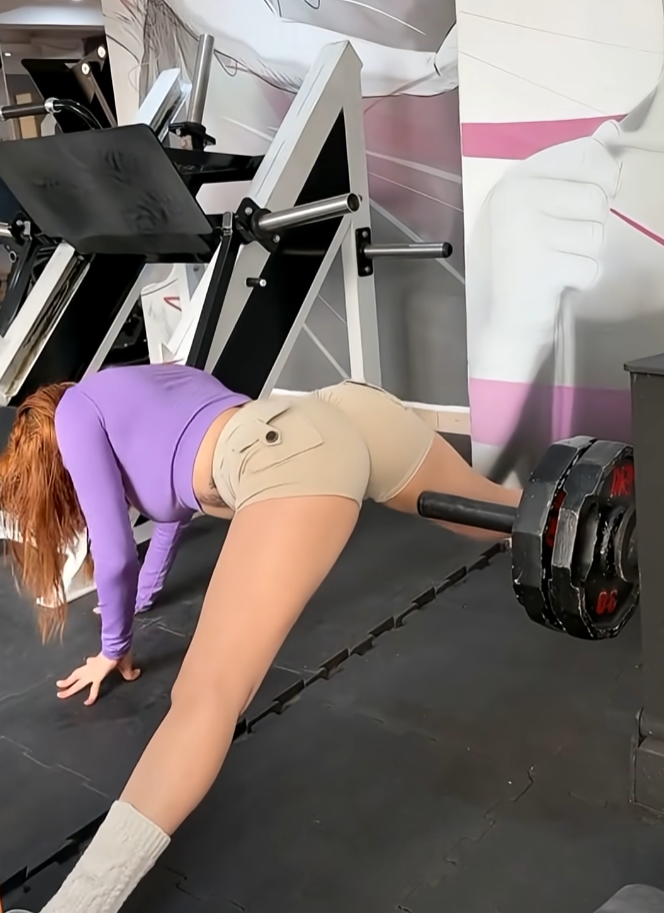
3. Lunge with Twist: Functional Flexibility
Lunges are excellent for leg strength, and adding a torso twist engages the spine, creating full-body mobilisation.
How to do it:
Step forward with your right leg into a lunge, keeping the knee above the ankle. Twist your torso gently toward the right leg, extending your arms if comfortable. Return to standing and repeat on the other side.
Why it works:
This exercise enhances hip and ankle flexibility, improves balance, and increases rotational mobility in the spine. It also strengthens the core and lower body simultaneously.
Motivation factor:
The twist adds variety, keeping the exercise engaging. Seeing and feeling your balance improve over time encourages consistency, making you want to keep pushing toward better health.
4. Cat–Cow Stretch: Spinal Mobilisation
The spine is central to movement, posture, and overall health. Cat–Cow is a gentle exercise that mobilises the entire back.
How to do it:
Begin on hands and knees, wrists under shoulders and knees under hips. Inhale as you arch your back, lifting your head and tailbone (Cow). Exhale as you round your spine, tucking the chin and pelvis (Cat). Repeat slowly.
Why it works:
This dynamic stretch improves spinal flexibility, loosens tight muscles, and promotes healthy circulation in the back. It also activates the core, enhancing overall body control.
Motivation factor:
Cat–Cow is soothing and energising at the same time. The flowing motion encourages a mindful connection to your body, motivating you to maintain movement and embrace daily mobility.
5. Standing Hip Circles: Balance and Joint Freedom
Healthy hips are critical for mobility and balance. Standing hip circles are simple but powerful.
How to do it:
Stand with feet hip-width apart, hands on your hips. Shift your weight slightly to one leg and rotate your hips in slow, controlled circles. Reverse the direction after several repetitions. Switch legs.
Why it works:
Hip circles mobilise the hip joint, improve pelvic stability, and strengthen supporting muscles. They also train balance by challenging your core to maintain stability while your hips move.
Motivation factor:
This exercise is playful and fluid, making movement enjoyable rather than repetitive. Feeling your joints loosen and your body move smoothly motivates continued practice.
6. Heel-to-Toe Walk: Precision Balance
Walking on a straight line using heel-to-toe steps is a classic exercise to improve stability and coordination.
How to do it:
Stand tall, feet together. Step forward, placing the heel of one foot directly in front of the toes of the other. Keep your gaze forward and arms relaxed. Walk slowly for 10–15 steps, then turn and repeat.
Why it works:
Heel-to-toe walking narrows your base of support, challenging your core and lower body to stabilise with every step. It improves ankle mobility, coordination, and confidence in movement.
Motivation factor:
Each successful step reinforces the feeling of control and balance. Mastering this simple exercise encourages you to take on more challenging movements, boosting overall motivation to stay active.
Why These Six Exercises Are “Hot” for Health
What makes these six exercises stand out is their combination of mobilisation and motivation. Each movement challenges the body to move freely while strengthening muscles and joints. They target the major areas of functional fitness:
- Core stability: Squats, lunges, and Cat–Cow engage and strengthen the midsection.
- Joint flexibility: Hip circles, Cat–Cow, and dynamic warm-ups loosen stiff joints.
- Balance: Heel-to-toe walking, squats, and lunges train proprioception and coordination.
- Mind-body connection: All six exercises encourage awareness, intentionality, and engagement.
Together, these movements provide a full-body experience that enhances health while motivating you to keep moving. They are not about extreme intensity or complicated equipment—they are about functional, joyful movement that can be done anywhere.
Putting It All Together
A daily or weekly routine using these six exercises can transform your physical health. Start with dynamic warm-ups to prepare the body. Move into strength and mobility exercises like squats and lunges, then finish with spinal and hip stretches. Integrate balance work throughout to ensure your body stays coordinated, agile, and resilient.
Consistency is key. Even a 15–20 minute session using these exercises can dramatically improve joint mobility, muscular endurance, and overall balance. The motivation comes naturally—feeling stronger, more flexible, and more capable encourages you to continue.
By combining mobilisation exercises with intentional practice, you’re not just exercising—you’re training your body to move efficiently, respond to challenges, and maintain stability throughout daily life. You’re creating a foundation for long-term health, preventing injury, and building confidence in your movements.
Conclusion
The “hot six” exercises—dynamic warm-up swings, squat with reach, lunge with twist, Cat–Cow, standing hip circles, and heel-to-toe walk—are more than just movements. They are tools for balance, flexibility, and strength. They mobilise the body, awaken awareness, and inspire motivation to care for your health consistently.
Good health is built through motion, awareness, and intention. By practicing these six exercises, you create a routine that strengthens the body, loosens stiff joints, improves balance, and motivates you to stay active. The combination of mobilisation and motivation ensures that each movement has a purpose—enhancing life, energy, and overall wellbeing.
By committing to these simple exercises, you take charge of your health, step by step, motion by motion. Balance becomes natural, movement becomes fluid, and motivation becomes self-sustaining. This is the path to a strong, agile, and resilient body, ready to handle the demands of life while enjoying the freedom of motion every day.
If you want, I can also create a version with illustrations or diagrams showing each of the six exercises, which would make it even more visual and engaging for readers. It could be formatted as a full guide.
Do you want me to do that next?