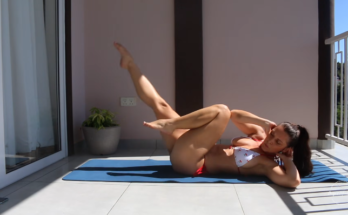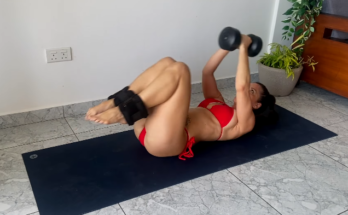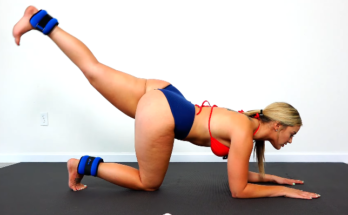
Training yoga and gymnastics at home has become more popular than ever, and for good reason. A home practice offers freedom, flexibility, and a deeply personal connection to movement that is often hard to find in crowded studios or busy gyms. Whether you are a beginner exploring basic poses and drills or an advanced practitioner refining strength, flexibility, and control, combining yoga and gymnastics at home creates a powerful and balanced training system. Together, they develop not only the body, but also focus, discipline, and confidence.
One of the greatest advantages of practicing yoga and gymnastics at home is accessibility. You do not need expensive equipment or a large space to begin. A yoga mat, a bit of open floor, and your own body weight are often enough. This removes common barriers such as travel time, gym fees, and schedule conflicts. Training at home allows you to move when your body feels ready—early in the morning, during a quiet afternoon, or late at night when the world slows down. This flexibility makes consistency easier, and consistency is the true foundation of progress.
Yoga and gymnastics complement each other beautifully. Yoga focuses on mobility, balance, breath, and internal awareness. It encourages slow, controlled movement and teaches you how to relax unnecessary tension. Gymnastics, on the other hand, emphasizes strength, coordination, explosiveness, and precision. When practiced together, yoga prepares the joints and muscles for demanding gymnastic skills, while gymnastics builds the strength needed to support deeper yoga poses. At home, this combination creates a complete, well-rounded practice that develops both softness and power.
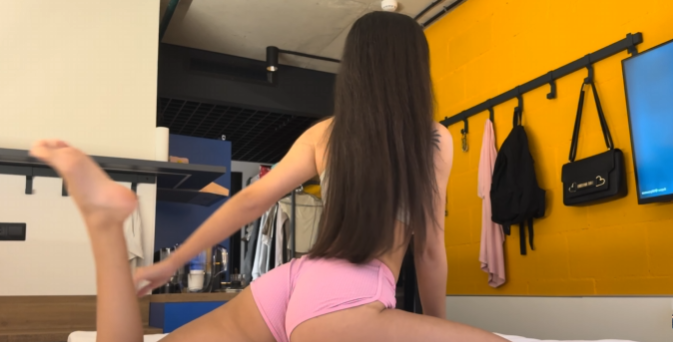
Setting up a home training space is simple but important. Choose an area with enough room to stretch your arms and legs freely. A non-slip surface is essential for safety, especially for balance poses and gymnastic drills. Good lighting and ventilation help maintain focus and comfort. Some people enjoy adding calming music for yoga sessions or more energetic music for gymnastics training. Over time, this space becomes more than just a workout area—it becomes a personal sanctuary dedicated to growth and self-care.
A typical home session can begin with a yoga-based warm-up. Gentle flows, joint rotations, and breath awareness prepare the body and calm the mind. Poses like Cat-Cow, Downward Dog, Low Lunge, and Sun Salutations increase circulation and gently open the hips, shoulders, and spine. This phase is essential for injury prevention, especially when training gymnastics skills that place higher demands on joints and muscles. Warming up mindfully allows you to move with confidence and control.
After warming up, you can transition into gymnastics conditioning. This may include core work such as hollow holds and leg raises, upper-body strength exercises like push-ups and plank variations, and lower-body drills like squats and lunges. Balance drills—such as standing on one leg or practicing handstand preparations against a wall—build coordination and body awareness. At home, these exercises can be adapted to your level, making gymnastics training accessible even without professional equipment.

Yoga plays a crucial role in flexibility and recovery within home gymnastics practice. Deep stretches and longer holds help lengthen muscles that are often tight from strength training. Poses such as Forward Folds, Pigeon Pose, Frog Pose, and Wide-Legged Straddles support hip and hamstring flexibility. Holding these poses with steady breathing allows the nervous system to relax, encouraging safe and sustainable progress. Over time, this balance between effort and release helps the body adapt without burnout.
One of the biggest challenges of training yoga and gymnastics at home is self-discipline. Without a coach or class schedule, motivation must come from within. Creating a routine helps. Even short sessions—20 to 30 minutes—can be incredibly effective when done consistently. Some days may focus more on yoga and mobility, while others emphasize strength and skill work. Listening to your energy levels and adjusting accordingly prevents frustration and keeps training enjoyable.
Home practice also encourages self-awareness. Without mirrors or constant external feedback, you learn to feel your alignment instead of relying on visual cues. Yoga teaches you to notice subtle sensations: how your weight shifts, where tension hides, how your breath responds to movement. Gymnastics sharpens your sense of control and precision. Together, they build a deep connection between mind and body. This awareness not only improves physical performance but also enhances confidence and mental clarity.
Safety is especially important when training alone. Progress should be gradual, particularly with advanced gymnastics skills or deep yoga poses. Respecting your limits is not a sign of weakness—it is a sign of intelligence. Using props such as yoga blocks, straps, or a wall can provide support and stability. Taking rest days and allowing the body to recover reduces the risk of overuse injuries. A safe home practice is one that prioritizes long-term health over short-term results.

Another beautiful aspect of yoga and gymnastics at home is freedom of expression. There is no pressure to perform or compare yourself to others. You can explore movement creatively, combine flows with strength drills, or repeat favorite exercises without feeling rushed. This freedom often leads to greater enjoyment and deeper engagement. Training becomes less about obligation and more about exploration.
For many people, home practice becomes a form of moving meditation. Yoga encourages presence through breath and stillness, while gymnastics demands focus and precision. Together, they create a state of flow where the mind is fully engaged in the moment. This can reduce stress, improve mood, and build resilience. Over time, the benefits extend beyond the mat or floor, influencing posture, energy levels, and even daily habits.
Yoga and gymnastics at home also offer a sense of empowerment. Building strength, balance, and flexibility on your own terms fosters independence and self-trust. Each small improvement—a steadier balance, a deeper stretch, a stronger hold—becomes a personal victory. These moments remind you that growth does not always require external validation; it can be quiet, internal, and deeply satisfying.
In the long run, practicing yoga and gymnastics at home is not just about physical fitness. It is about creating a sustainable relationship with movement. It teaches patience, consistency, and respect for the body’s rhythms. Some days will feel strong and energetic; others will feel slow and gentle. Both are valuable. By honoring these fluctuations, you build a practice that supports you through different stages of life.
Ultimately, yoga and gymnastics at home offer a powerful combination of strength and serenity. They allow you to train deeply, safely, and authentically, without the pressures of performance or comparison. With a small space, a bit of dedication, and an open mind, your home can become the perfect place to grow—physically, mentally, and emotionally.