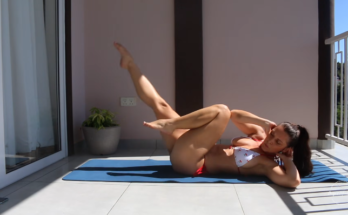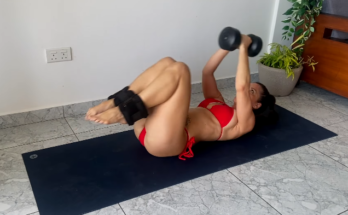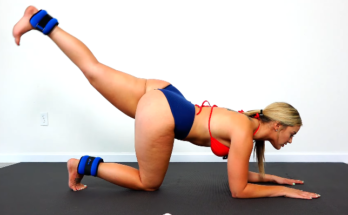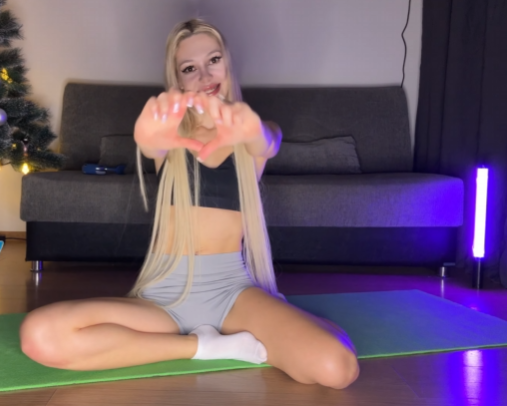
In a world that constantly asks for speed, noise, and performance, Yuna’s quiet practice feels like a soft pause—a gentle return to what truly matters. Her practice is not loud or dramatic. There are no flashing lights, no crowds, no pressure to impress. Instead, there is silence, breath, and the steady rhythm of a body learning to move with kindness. Yuna’s quiet practice is a reminder that ease and balance are not things we chase; they are things we allow.
Each morning, before the day fully wakes up, Yuna unrolls her mat in a small corner of her home. Sunlight slips through the window, touching the floor like a warm greeting. This moment belongs only to her. No phone notifications, no expectations. Just presence. Her practice begins not with movement, but with stillness. She sits, closes her eyes, and listens—to her breath, to her heartbeat, to how her body feels today. Some days it feels light and open. Other days it feels heavy and slow. She welcomes both without judgment.
Yuna’s quiet practice is built on listening, not forcing. She understands that the body carries stories—of stress, of rest, of effort, of recovery. Instead of pushing through stiffness or fatigue, she meets her body where it is. A slow inhale lifts her spine; a long exhale softens her shoulders. This simple rhythm becomes the foundation of her movement. Breath leads, the body follows. In this way, balance is not something she tries to hold—it naturally emerges.
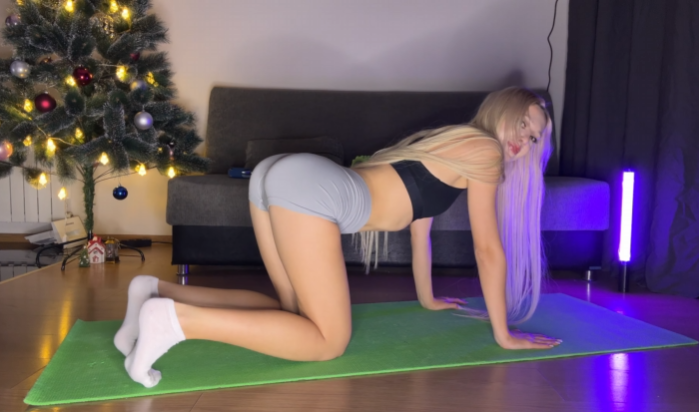
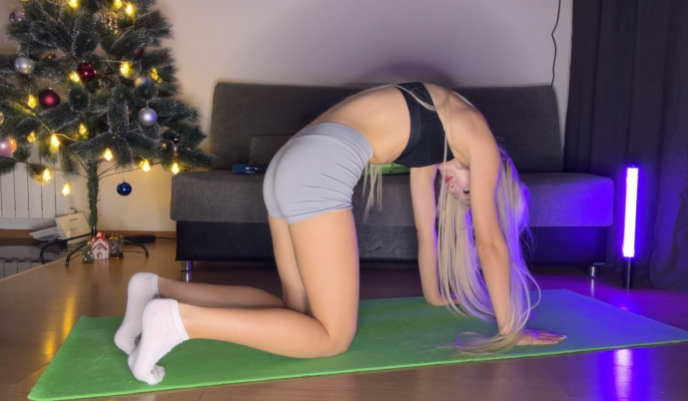
Her movements are gentle and intentional. A slow neck roll releases tension she didn’t realize she was carrying. Cat and Cow awaken the spine, creating space between each vertebra. With every motion, Yuna moves as if she has all the time in the world. There is no rush to get to the next pose. The practice itself is the destination. This slowness allows her to notice subtle details: the way her weight shifts, the quiet strength in her core, the softness in her joints.
As her body warms, Yuna flows into simple standing poses. Her feet root into the floor, grounding her. She imagines drawing stability from the earth while her upper body remains light and free. Balance poses are a central part of her practice—not because they look impressive, but because they teach her patience. When she wobbles, she smiles. Losing balance is not failure; it is feedback. Each wobble teaches her how to return, again and again, with calm focus.
In Yuna’s quiet practice, ease is a priority. She avoids strain and sharp sensations, choosing comfort and clarity instead. Stretching is slow and supported. Hips open gradually through gentle lunges and seated folds. She breathes into resistance, allowing muscles to release in their own time. There is a deep respect here—an understanding that flexibility gained through force is temporary, but flexibility gained through patience lasts.
Balance, for Yuna, is not just physical. It is emotional and mental as well. During her practice, thoughts sometimes wander—plans, worries, memories. She notices them without attachment and gently brings her attention back to breath and movement. This act of returning becomes a form of training. Over time, it becomes easier to stay present, both on the mat and in daily life. The calm she cultivates here follows her beyond the practice space.
One of the most beautiful aspects of Yuna’s quiet practice is its consistency without pressure. She does not practice to achieve a specific shape or goal. Some days her practice is long and flowing; other days it is short and still. Both are enough. This flexibility keeps her connected to her body instead of battling it. The practice adapts to her life, not the other way around.
Strength is woven subtly into her movements. Gentle core engagement supports her spine. Slow transitions build stability without exhaustion. Holding simple poses for a few steady breaths develops quiet endurance. This strength does not announce itself loudly, but it is deeply reliable. It supports her posture, her balance, and her confidence. Over time, Yuna notices that daily tasks feel easier. She moves with less tension, more grace.
Rest is also part of the practice. Yuna believes that stillness is as important as movement. She often ends her session lying down, allowing the body to absorb the work. In this final rest, there is no effort at all. Breath flows naturally. Muscles soften. The nervous system settles. This moment of complete surrender is where balance truly integrates—not just physically, but internally.
Yuna’s quiet practice teaches her that progress does not have to be visible. There are no dramatic transformations to show off. Instead, progress appears in small ways: calmer reactions, steadier emotions, deeper sleep, a kinder relationship with herself. These changes may be subtle, but they are powerful. They shape how she experiences her life.
In a culture that celebrates extremes, Yuna chooses moderation. She chooses to honor her limits instead of testing them daily. This choice allows her practice to be sustainable. There is no burnout here, no cycles of pushing and quitting. Just a steady, gentle commitment to well-being. Her body responds with trust, opening gradually and safely.
The quiet nature of Yuna’s practice also creates space for gratitude. She appreciates her body for what it can do today, not what it cannot. She thanks her breath for supporting her. She thanks herself for showing up. This gratitude shifts her mindset from self-criticism to self-care. Over time, this shift becomes transformative.
As days turn into weeks, and weeks into months, Yuna’s practice becomes less about the mat and more about how she lives. She stands a little taller. She breathes more deeply when stressed. She pauses before reacting. Balance becomes something she carries with her—into conversations, decisions, and quiet moments alone.
Yuna’s quiet practice is not about perfection. It is about presence. It is about finding ease in effort and balance in movement. It is about remembering that the body is not a project to fix, but a companion to care for. In the softness of her practice, Yuna discovers strength. In the stillness, she finds clarity.
✨ And perhaps this is the true invitation of Yuna’s quiet practice: to slow down, to listen, and to trust that ease and balance are already within us—waiting patiently to be felt.