“Get flexible fast!” is something everyone wants to hear—especially when it comes to splits and even oversplits. While true, deep flexibility always takes time and consistency, the way you use even a short window matters more than how long you train. A focused, intelligent 3-minute routine can dramatically improve your flexibility when done correctly, especially if you repeat it daily or use it as a warm-up or finisher.
This is not about forcing your body into the floor. It’s about activating the right muscles, relaxing the nervous system, and using smart positioning to unlock range quickly and safely. Three minutes won’t magically give you full splits overnight—but it can create noticeable progress fast.
Let’s break down how to use just three minutes to work toward splits and oversplits effectively.
First: What “Get Flexible FAST” Really Means
Flexibility has two main components:
- Muscle length
- Nervous system tolerance
Most people fail at splits because their nervous system doesn’t feel safe—not because their muscles are “too tight.” A short routine works when it:
- Warms tissues quickly
- Uses active engagement
- Signals safety to the brain
That’s why these movements focus on active flexibility, not passive forcing.
⚠️ Important note:
This routine works best when your body is already a little warm (after walking, light cardio, or another workout). Never push cold muscles into deep ranges.
Minute 1: Dynamic Hip & Hamstring Activation (60 Seconds)
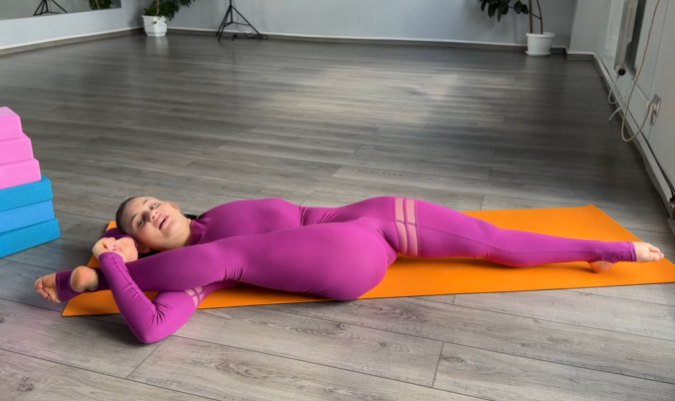
The goal of the first minute is to wake up the hips and hamstrings without stretching deeply yet. This prepares your body for fast gains.
Exercise 1: Dynamic Front Lunges (30 seconds)
- Step one foot forward into a deep lunge
- Keep chest lifted, back leg active
- Gently pulse forward and back
- Switch sides after 15 seconds
Why this works:
This activates the hip flexors and hamstrings at the same time, reducing resistance before splits.
Key cue:
Squeeze your glutes lightly—this protects the lower back and increases hip opening.
Exercise 2: Dynamic Hamstring Pulses (30 seconds)
- From standing or a half split, straighten the front leg
- Hinge forward slightly
- Pulse gently in and out of the stretch
- Switch sides after 15 seconds
Why this works:
Dynamic movement tells your nervous system the stretch is controlled, not dangerous.
Don’t:
Bounce aggressively. Small, smooth pulses only.
Minute 2: Active Split Position (60 Seconds)
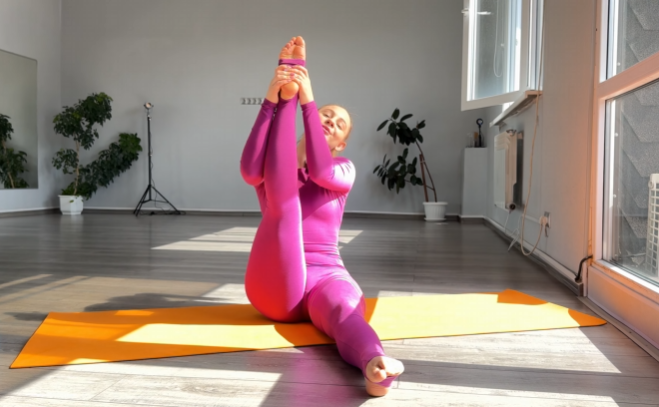
This minute is where flexibility improves fastest—because strength and stretch happen together.
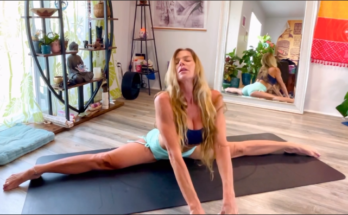
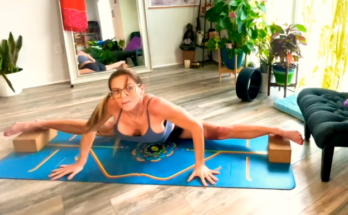
Exercise 3: Active Split Hold (Front Split Prep)
- Step into a low lunge
- Slowly slide the front foot forward and the back foot back
- Stop before discomfort becomes pain
- Place hands on the floor or blocks
- Hold for 30 seconds
- Switch sides
Critical technique:
Even as your legs move apart, actively pull them toward each other. This engages the inner thighs and hamstrings, making the stretch safer and deeper.
Why this works fast:
Active engagement tells your brain the position is safe, allowing greater range immediately.
Minute 3: Oversplit Stimulation (60 Seconds)
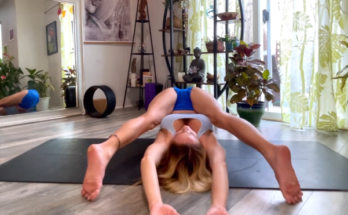
Oversplits train your nervous system to feel comfortable past your current split range. This doesn’t mean forcing—just gentle elevationExercise 4: Assisted Oversplit (30 seconds each side)
- Place a yoga block, book, or cushion under the front heel
- Slide into your split range
- Keep hips square and core engaged
- Hold calmly for 30 seconds
- Switch sides
Why oversplits help normal splits:
They reduce fear of depth. When you remove the block later, full splits feel easier.
Golden rule:
Oversplits should feel challenging but calm, never painful.
Breathing: The Secret Weapon for Fast Flexibility
Your breath controls your flexibility more than your muscles.
During every stretch:
- Inhale through the nose
- Exhale slowly through the mouth
- Make your exhale longer than your inhale
Long exhales deactivate the stretch reflex and help muscles release faster.
If you stop breathing smoothly, you’re pushing too hard.
Common Mistakes That Kill Progress
🚫 Forcing the floor
🚫 Holding your breath
🚫 Skipping warm-up
🚫 Stretching through sharp pain
🚫 Comparing your range to others
Flexibility is individual. Speed comes from smart technique, not aggression.
How Often Should You Do This?
For best results:
- ✅ Once daily for visible progress
- ✅ Twice daily if very gentle
- ✅ As a warm-up before flexibility training
- ✅ As a finisher after workouts
Consistency beats intensity every time.
What Results to Expect (Realistic Timeline)
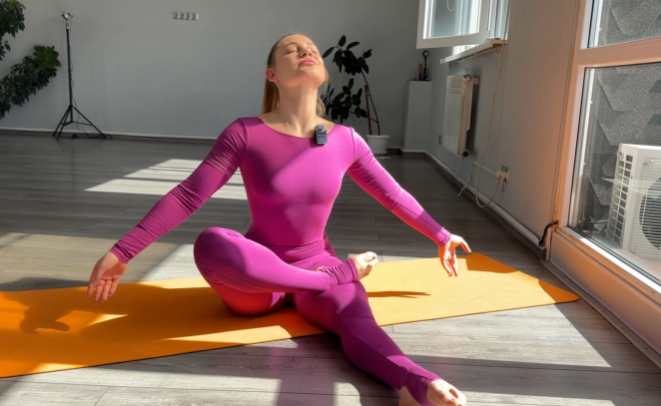
After 1–3 sessions:
- Legs feel looser
- Splits feel less scary
After 1–2 weeks:
- Noticeable depth improvement
- Better hip control
After 3–6 weeks (daily practice):
- Full splits or very close
- Oversplits feel controlled
Remember: fast progress doesn’t mean rushed progress.
Safety Notes (Important!)
- Stop immediately if you feel sharp pain
- Stretch sensation should feel deep but calm
- Knee pain = adjust alignment
- Lower back pain = engage core and glutes
Flexibility should feel empowering, not punishing.
Final Thoughts
“Get Flexible FAST!” doesn’t mean shortcuts—it means efficient training. When you combine:
✔ Warm tissue
✔ Active engagement
✔ Nervous system relaxation
✔ Smart positioning
…even 3 minutes can change your flexibility dramatically.
Splits and oversplits are not about how hard you push.
They’re about how well you listen.
Train smart. Breathe deeply. Stay consistent.
And you’ll be amazed how fast your body opens when it feels safe to do so. 💫