Advanced leg and hip flexibility is the foundation of powerful movement, elegant lines, and pain-free mobility. Whether your goal is deeper splits, better athletic performance, or improved body awareness, an advanced stretching routine for the legs and hips must be approached with intelligence, patience, and respect for the body. This practice is not about forcing flexibility—it’s about building strength and control within your range of motion while allowing gradual, sustainable progress.
Before beginning, remember one essential rule: advanced stretching should never be done cold. Always start with a thorough warm-up to raise your core temperature and prepare your muscles, joints, and connective tissue for deeper work. Five to ten minutes of light cardio—such as marching, jumping jacks, or dynamic leg swings—will help increase circulation and reduce injury risk.
Once you feel warm, begin with joint preparation. Gently circle your ankles, knees, and hips in both directions. These movements stimulate synovial fluid in the joints, improving lubrication and mobility. Move slowly and mindfully, noticing any stiffness or imbalance between sides.
Now transition into dynamic leg activation. Start with controlled leg swings—forward and back, then side to side—keeping your core engaged and your spine upright. These movements awaken the hip flexors, hamstrings, and adductors without overstretching them. The goal is to create elasticity, not fatigue.
Next, move into deep lunges to open the hip flexors and quadriceps. Step one foot forward and lower into a lunge, keeping the back leg active and the chest lifted. Gently pulse forward and back to explore your range of motion. Tight hip flexors can restrict splits and create lower-back compression, so spend time here with steady breathing.
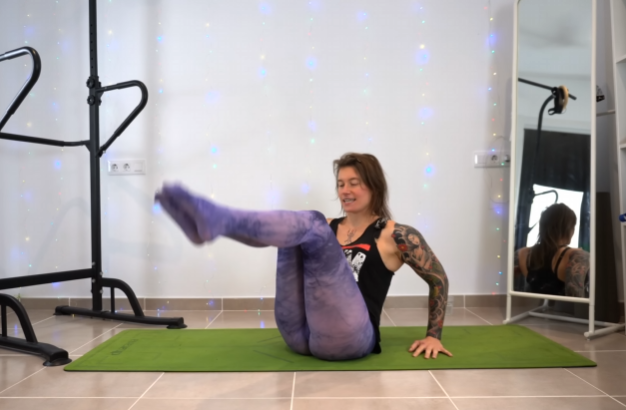
From the lunge, lower your back knee and sink deeper, allowing the hips to release gradually. Engage the glutes lightly to protect the lumbar spine. Advanced flexibility requires stability—never relax completely into a stretch without muscular support.
Transition into hamstring-focused work. From a half-split position, straighten the front leg and hinge forward at the hips, keeping the spine long. Avoid rounding the back. Instead, imagine lengthening through the crown of the head while drawing the toes toward you. Hold the stretch while maintaining active engagement in the quadriceps to support the hamstrings.
Repeat the sequence on the other side, noticing differences in sensation. One side is often tighter or weaker than the other. Awareness is key to balanced flexibility.
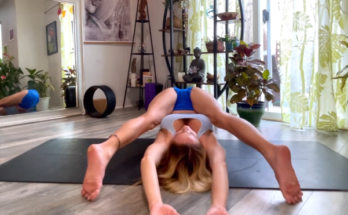
Now move into wide-leg stretches to target the inner thighs and hip adductors. Stand or sit with legs spread wide, maintaining an upright posture. Slowly hinge forward, stopping before you lose spinal alignment. Advanced flexibility comes from precision, not depth. Keep the knees pointing upward and engage the inner thighs to avoid collapsing into the stretch.
Pancake stretch is a cornerstone of advanced leg and hip training. Sit with legs wide, inhale to lengthen the spine, and exhale to fold forward. Use your hands for support, but avoid pulling yourself down aggressively. Over time, this stretch increases hip mobility, hamstring length, and pelvic control.
Next, address external hip rotation through deep pigeon or figure-four variations. From a forward fold or tabletop position, bring one knee forward and extend the opposite leg back. Square the hips as much as possible while staying comfortable. Place a block or cushion under the hip if needed. This protects the knees and allows a more effective stretch.
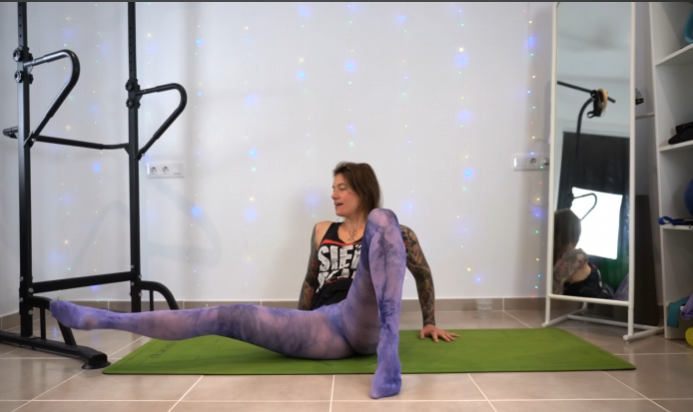
Breathe deeply in pigeon pose, allowing tension to release slowly. The hips often store stress and emotion, so it’s common to feel resistance here. Stay present and avoid forcing the stretch.
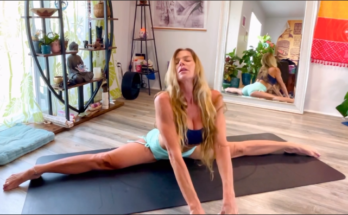
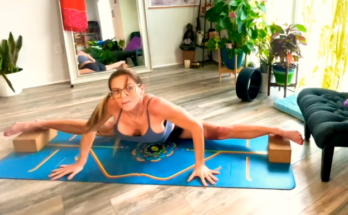
From pigeon, transition into split preparation. Start in a low lunge, then slowly slide the front foot forward and the back foot back, controlling the movement with your hands and core. Use blocks or your hands on the floor for support. Stop where you can maintain stability and proper alignment.
Advanced split training focuses on control rather than touching the floor. Engage both legs actively, drawing them toward each other energetically even as they move apart. This builds strength in the end range and protects the joints.
If you practice middle splits, move carefully into a wide straddle position. Keep the feet flexed and knees pointing upward. Lower slowly, using your hands for balance. Avoid letting the hips roll forward or backward excessively. Hold the position while maintaining active engagement in the legs.
Throughout your practice, remember to breathe slowly and evenly. Holding your breath increases muscle tension and limits progress. Long exhalations signal the nervous system to relax, allowing deeper access to flexibility.
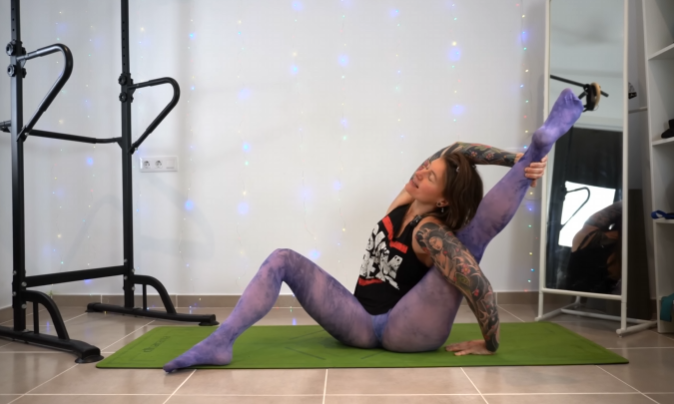
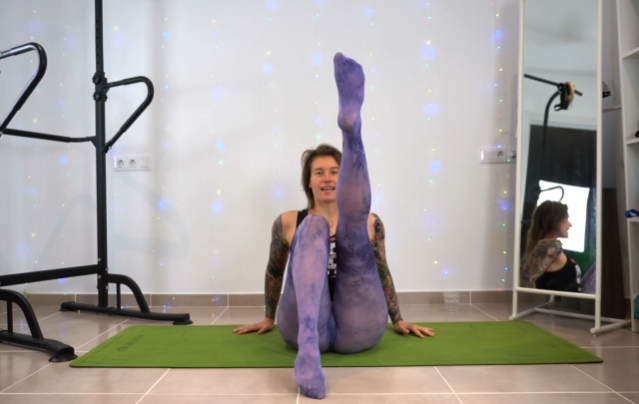
After intense stretching, balance the body with gentle strengthening movements. Light glute activation, leg lifts, or controlled pulses help stabilize the joints and reinforce new ranges of motion. Flexibility without strength can lead to instability, so this balance is essential.
Finish your routine with a calming cooldown. Gentle forward folds, seated twists, and relaxed breathing help release residual tension and integrate the work you’ve done. Spend a few moments lying on your back, allowing your body to absorb the benefits of the practice.
Advanced leg and hip stretching is a long-term journey. Progress may feel slow at times, but consistency will always outweigh intensity. Respect your limits, listen to your body, and celebrate small improvements.
With regular practice, your legs and hips will become more mobile, more resilient, and more responsive. This routine is not just about flexibility—it’s about building a strong, capable body that moves with ease, control, and confidence.
Train patiently. Stretch intelligently. And allow your body to open in its own time.