Flexibility is not just about bending farther or looking impressive in a pose. At an advanced level, flexibility becomes a deep conversation between your body, breath, and mind. Contortion training, in particular, is the art of exploring extreme ranges of motion with control, patience, and respect for your body. In this session, I invite you to train with me—not just to stretch, but to understand how true flexibility is built safely, intelligently, and sustainably.
Before we begin, it’s important to say this clearly: advanced flexibility and contortion training is not for rushing. It is not about forcing your body into shapes it isn’t ready for. It is about preparing the joints, strengthening the muscles that support deep ranges, and learning how to relax into discomfort without crossing into pain. If you are already experienced with flexibility training, this session will help you refine your practice and go deeper with awareness.
Preparing the Body: Warm-Up Is Non-Negotiable
Advanced flexibility begins long before the deepest stretch. A thorough warm-up is essential to protect your joints, muscles, and connective tissue. Start by raising your core temperature. Light cardio such as jumping jacks, skipping, or flowing yoga movements for 8–10 minutes will increase blood flow and elasticity.
Next, move into joint preparation. Roll your neck slowly, circle the shoulders, wrists, hips, knees, and ankles. Contortion places high demand on joints, so lubrication through controlled movement is critical. When your joints feel warm and responsive—not stiff—you’re ready to begin targeted stretching.
Active Flexibility: Strength Before Depth
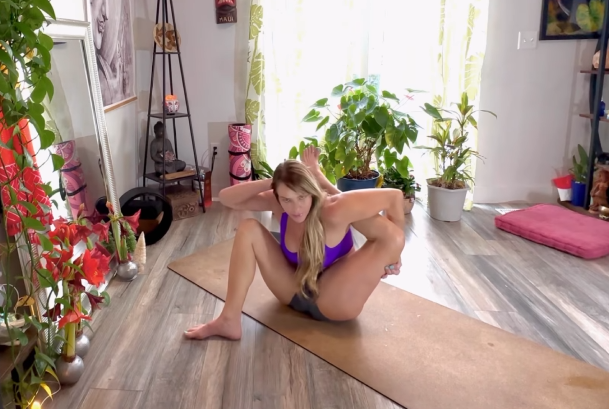
One of the biggest mistakes in advanced stretching is focusing only on passive flexibility. True contortion requires active flexibility—the ability to lift, hold, and control your limbs in extreme ranges using muscular strength.
We start with leg lifts. From standing or lying on your back, lift one leg as high as possible without using your hands. Hold for 5–10 seconds, then slowly lower. Repeat on both sides. This strengthens the hip flexors and hamstrings in lengthened positions.
Move into active splits work. Slide into a comfortable split—not your maximum—and engage the legs, gently squeezing them toward the midline. Hold this engagement for several breaths. This teaches your nervous system that the position is safe and controlled.
Active back work is just as important. Practice slow cobra lifts, lifting the chest using back muscles rather than pushing with the arms. Hold, breathe, and lower with control. Strength protects the spine and allows you to go deeper safely over time.
Deep Hip Opening: The Gateway to Contortion
Hips are central to almost every contortion shape. Deep hip openers must be approached with patience and breath awareness. We begin with lunges, slowly sinking the hips forward while keeping the torso tall. Engage the glutes lightly to protect the lower back.
Move into frog pose if it’s already in your practice. Lower down gradually, keeping the spine neutral. Avoid forcing your knees wider—gravity will do the work if you give it time. Stay for 1–2 minutes, breathing deeply and evenly.
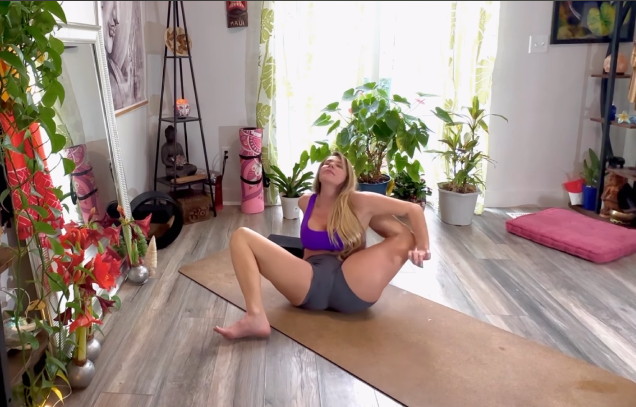
Pigeon pose variations are excellent for targeting external hip rotation. Fold forward only if your hips feel supported. Advanced practitioners may add gentle backbends here, lifting the chest and reaching the arms overhead, but always listen closely to your body.
Spine Flexibility: Controlled and Conscious
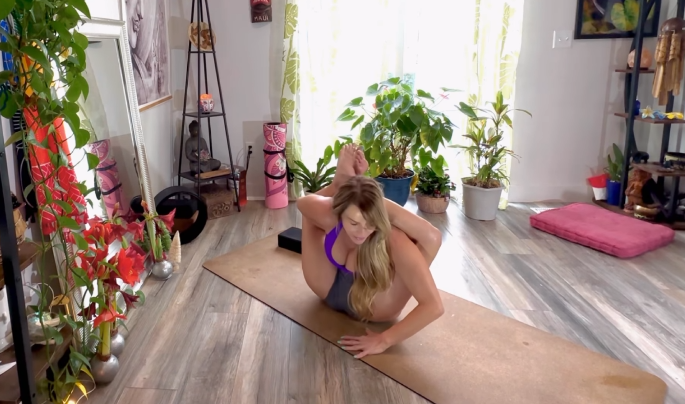
Spinal flexibility is what most people associate with contortion, but it must be trained with intelligence. The spine is not meant to hinge in one place. Instead, flexibility should be distributed evenly.
Begin with cat–cow movements, exaggerating the wave of the spine. Move slowly, articulating each vertebra. This prepares the back for deeper work.
Bridge pose is a cornerstone of contortion training. Push through the feet, lift the hips, and place the hands by the ears. As you press up, focus on length rather than compression. Think of lifting the chest forward, not just bending backward. Hold for several breaths, then lower carefully.
Advanced practitioners may work toward straight-arm bridges or walkovers, but only if shoulder flexibility and spinal strength are well developed. Never force your elbows straight or dump weight into the lower back.
Shoulders and Chest: Opening the Front Body
Many deep backbends are limited not by the spine, but by tight shoulders and chest muscles. Shoulder flexibility is essential for safe contortion.
Practice shoulder dislocates using a resistance band or stick. Move slowly, keeping the arms straight as you circle them overhead and behind the body. Stay within a pain-free range.
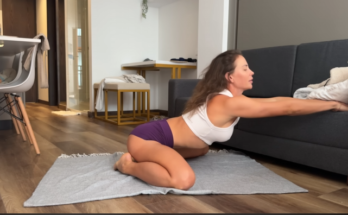
Chest-opening stretches like puppy pose, wall-assisted heart openers, or elevated bridges help lengthen the front body. Breathe into the chest and ribs, allowing space to grow with each exhale.
Breathing Through Intensity
Breath is your greatest tool in advanced flexibility training. When a stretch becomes intense, the instinct is to hold your breath or tense up. This creates resistance in the nervous system.
Instead, practice slow nasal breathing. Inhale to prepare. Exhale as you deepen. Long exhales signal safety to your body, allowing muscles to release more effectively. If your breath becomes shallow or strained, you’ve gone too far.
Advanced contortion is not about how far you can bend—it’s about how calmly you can breathe while you’re there.
Mental Focus and Body Awareness
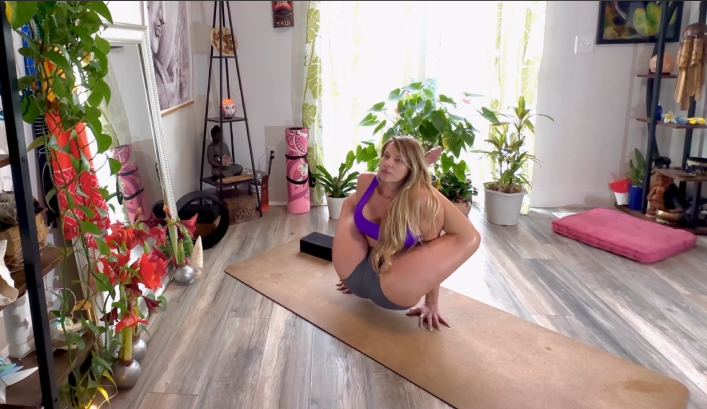
Flexibility training is as much mental as it is physical. Fear, impatience, and comparison can limit progress more than tight muscles ever will. Each body is different. Each spine, hip socket, and joint structure is unique.
Train with curiosity, not judgment. Notice sensations without labeling them as “good” or “bad.” Ask yourself: Is this stretch productive, or am I forcing? Learning this distinction is what separates advanced practitioners from injured ones.
Visualization can help. Imagine the muscles softening, the joints creating space, the spine lengthening like warm wax. These mental cues can have a powerful physical effect.
Recovery: Where Progress Actually Happens
Advanced flexibility improves during recovery, not during the stretch itself. After intense sessions, give your body time to heal and adapt. Gentle movement, hydration, proper nutrition, and sleep are essential.
Incorporate restorative stretches and neutral poses at the end of training. Supine twists, knees-to-chest, and supported child’s pose help calm the nervous system and integrate the work you’ve done.
Never train deep contortion daily without rest. Overstretching can damage ligaments and lead to long-term instability. Two to four focused sessions per week is ideal for most advanced practitioners.
Training with Me: A Commitment to Longevity
When you train advanced flexibility and contortion with me, the goal is not just impressive shapes—it’s longevity. I want your body to feel strong, mobile, and resilient for years to come. Progress may be slow, but it will be real. Sustainable flexibility is built layer by layer, breath by breath.
Some days you will feel open and powerful. Other days, tight and limited. Both are part of the journey. Respect where you are, and your body will reward you.
Advanced flexibility is not about conquering the body. It’s about partnering with it.
So take your time. Breathe deeply. Move with intention. And remember: the most advanced skill in contortion training is knowing when to soften.
Thank you for training with me.