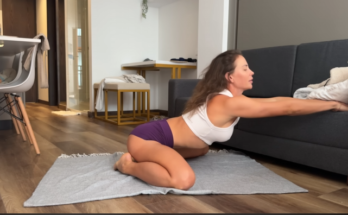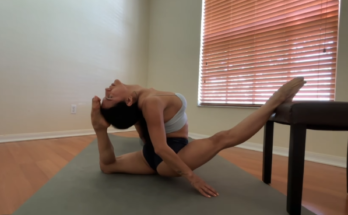
Lotus in arm balance is a captivating yoga pose that blends strength, balance, and flexibility. It combines the serenity and grounding of Lotus (Padmasana) with the challenge of an arm balance, creating a posture that is both empowering and meditative. In the spirit of “2 Souls✨ 1 Flow,” this practice is designed to unite breath, body, and energy, while featuring a hip-opening sequence inspired by AlyssaMeiLiu.
This tutorial will guide you through the process of safely entering Lotus in arm balance, opening the hips, and connecting to flow with mindfulness and grace.
Understanding the Pose
Lotus in arm balance, sometimes called “Padma Bakasana,” requires the combination of three essential elements:
- Hip Flexibility – The ability to bring the legs into Lotus without discomfort.
- Arm Strength – Supporting your body weight on your hands and forearms.
- Core Engagement – Maintaining stability while balancing.
This pose offers physical benefits such as increased hip mobility, stronger arms and shoulders, and improved balance. Emotionally, it encourages focus, patience, and inner calm.
Step 1: Warm-Up for the Hips and Shoulders
Before attempting Lotus in arm balance, it is crucial to prepare the body. Hip-opening is central to this practice, and AlyssaMeiLiu’s flow emphasizes gradual, mindful stretches.
Start with:
- Seated Butterfly (Baddha Konasana) – Sit with the soles of the feet together and knees dropping outward. Gently fold forward to stretch the inner thighs and groin.
- Figure Four Stretch – Lying on your back, cross one ankle over the opposite thigh and draw the leg toward your chest. Repeat on both sides.
- Low Lunge Hip Opener (Anjaneyasana) – Step one foot forward, press the hips down, and lengthen the spine. Reach the arms overhead for added extension.
Incorporate deep breathing throughout, using inhales to create space and exhales to release tension.
Step 2: Entering Lotus

Once your hips feel more open, move into Lotus (Padmasana) with care:
- Sit on the floor with your legs extended.
- Bend your right knee and place the foot on the opposite thigh, sole facing upward.
- Bend your left knee and stack the foot on the opposite thigh, forming a crossed-leg Lotus position.
Tips:
- Avoid forcing the knees; the hips must be mobile enough to prevent strain.
- Keep the spine long, shoulders relaxed, and gaze soft.
For beginners, a half-lotus variation can be used, stacking only one leg while keeping the other bent in front. This still builds familiarity with the pose while protecting the knees.
Step 3: Setting Up for Arm Balance
With Lotus established, it’s time to transition onto your hands:
- Place your hands shoulder-width apart on the mat.
- Spread your fingers wide to create a stable base.
- Press firmly through the palms, grounding into the mat.
Engage the core and draw the navel slightly toward the spine. The arms must remain active but not rigid — think of creating a supportive shelf for the body.
Optional Prep Poses:
- Crow Pose (Bakasana) – Practicing basic arm balance builds confidence and arm strength.
- Plank or Forearm Plank – Strengthens the shoulders and core for added stability.
Step 4: Transitioning Into Lotus Arm Balance
Now, you’re ready for the lift:
- Lean slightly forward, shifting weight into the hands.
- Keep the core engaged and exhale as you lift the legs off the ground.
- Balance in the center, keeping the Lotus legs active and stacked.
Your gaze should be forward, not down, to maintain stability. Subtle micro-adjustments in the hands, shoulders, and core help fine-tune balance.
Common Challenges:
- Collapsing shoulders – keep shoulder blades drawn slightly together.
- Sagging hips – engage the lower abs to maintain lift.
- Wobbling legs – press firmly through the knees and feet to stabilize.
Step 5: Flowing With Breath

The “2 Souls✨ 1 Flow” concept emphasizes movement with breath. Once in Lotus arm balance, allow the body to flow:
- Inhale: Lift slightly, lengthen the spine.
- Exhale: Find a gentle micro-shift, releasing tension without losing balance.
AlyssaMeiLiu’s hip-opening sequences often pair this pose with subtle twists and forward folds from Lotus, creating a dynamic, meditative flow. Explore small variations while maintaining awareness and breath.
Step 6: Exiting Safely
Coming out of Lotus arm balance requires care:
- Slowly lower the legs toward the mat.
- Release the Lotus and move into a gentle hip opener or child’s pose (Balasana).
- Take several breaths to reset the spine and hips.
This ensures muscles relax gradually and prevents strain.
Modifications and Props
- Strap: Use a yoga strap around the thighs to maintain stability.
- Blocks: Place under the hands to raise the body slightly, making the lift easier.
- Half Lotus: Keep one leg crossed and one leg bent in front to reduce hip tension.
These modifications allow gradual progress and make the pose accessible for many levels.
Benefits of Lotus Arm Balance
- Hip Flexibility – Stretches the hip flexors and external rotators.
- Core and Arm Strength – Requires engagement of abs, arms, and shoulders.
- Focus and Mindfulness – Balancing upside down develops concentration.
- Confidence – Overcoming the challenge builds self-trust and courage.
- Energetic Opening – Inversions stimulate circulation and awaken the heart and upper chakras.
Emotional and Mindful Aspect
This practice is as much mental as physical. Balancing in Lotus requires patience, courage, and presence. Small wobbles or challenges are part of the journey — each attempt deepens awareness and self-acceptance.
The “2 Souls✨ 1 Flow” idea extends beyond the mat: it encourages connection — to yourself, your breath, and, if practicing with a partner, to shared energy and encouragement.
Integrating Lotus Arm Balance Into a Routine

A suggested sequence:
- Warm-Up (5–10 minutes) – Gentle hip and shoulder stretches, breathing exercises.
- Preparatory Poses (5 minutes) – Crow pose, plank, dolphin pose.
- Lotus Arm Balance Practice (5–7 minutes) – Attempt lifts, explore micro-movements, flow with breath.
- Cooldown (5 minutes) – Seated forward folds, supine hip openers, child’s pose.
- Reflection (2–3 minutes) – Close eyes, observe breath, acknowledge effort and growth.
Consistency, patience, and mindful practice are more important than perfection.
Final Tips for Success
- Respect your body’s limits — force is not progress.
- Use breath as a guide and anchor.
- Engage core and arms actively to maintain stability.
- Warm up hips thoroughly before attempting Lotus.
- Celebrate small improvements — each lift, each micro-adjustment, each breath counts.
Remember, the pose is a journey, not a destination.
Closing Reflection
Lotus in arm balance is a beautiful metaphor: balancing strength and softness, grounding and lift, challenge and ease. Practicing it with awareness, flow, and intention — inspired by AlyssaMeiLiu’s hip-opening sequences — cultivates not just physical capability but also patience, confidence, and self-love.
By approaching the pose with curiosity, mindful breath, and connection, you honor your body and mind, creating a practice that uplifts both physically and spiritually.
So step onto your mat, breathe deeply, open your hips, and allow the “2 Souls✨ 1 Flow” energy to guide you. Each attempt brings insight, strength, and grace — a reminder that yoga is not only about achieving a pose but embodying presence, compassion, and flow.