Stretching and contortion are often misunderstood. Many people see extreme flexibility as a gift you are either born with or not, something reserved for dancers, gymnasts, or circus performers. In reality, flexibility—yes, even extreme flexibility—is a skill. Like strength, balance, or endurance, it can be trained with patience, intelligence, and respect for the body. When we combine stretching and contortion with yoga, fitness, and calisthenics, we create a powerful system that builds not only flexible bodies, but strong, controlled, and resilient ones.
In this journey, the Dimario Knot is more than just an impressive pose. It represents the meeting point of strength, mobility, coordination, and mental focus. It symbolizes what happens when flexibility is supported by structure rather than forced by impatience.
Understanding Stretching vs. Contortion
Stretching is the foundation. It prepares the muscles, tendons, and joints to move through a greater range of motion. Stretching can be gentle or intense, active or passive, dynamic or static. Contortion, on the other hand, is the advanced application of that flexibility. It is the ability to move into extreme ranges with control, stability, and awareness.
The mistake many people make is trying to jump straight into contortion without mastering stretching basics. This is where injuries happen. True contortion training respects anatomy. It strengthens the muscles around the joints so the joints are protected, not sacrificed, in deep positions.
The Role of Yoga in Extreme Flexibility
Yoga is one of the most powerful tools for developing flexibility safely. Beyond physical poses, yoga teaches breath control, patience, and body awareness—three elements essential for contortion.
Backbends like Cobra, Upward Dog, Camel, and Wheel lay the groundwork for deeper spinal flexibility. Hip openers such as Pigeon, Lizard, and Frog create the mobility needed for splits, leg-behind-head poses, and knot variations. Forward folds lengthen the posterior chain, balancing the body and preventing overstretching in one direction.
Yoga also teaches us how to be in a stretch. Instead of fighting discomfort, we learn to breathe through it. Instead of forcing depth, we allow space. This mindset carries directly into advanced contortion work.
Fitness and Calisthenics: The Missing Piece
Many flexible athletes struggle with control. This is where fitness and calisthenics become essential. Extreme flexibility without strength leads to instability. Strength without flexibility leads to stiffness. The magic happens when both are trained together.
Calisthenics exercises like planks, hollow holds, push-ups, leg raises, and bridges build functional strength using body weight. These movements strengthen the core, shoulders, hips, and spine—the exact areas that must stabilize deep contortion shapes.
For example, holding a deep backbend safely requires strong glutes, spinal erectors, shoulders, and core muscles. Entering a Dimario Knot demands hip strength, spinal control, and balance. Calisthenics teaches the body to own these positions rather than collapse into them.
What Is the Dimario Knot?
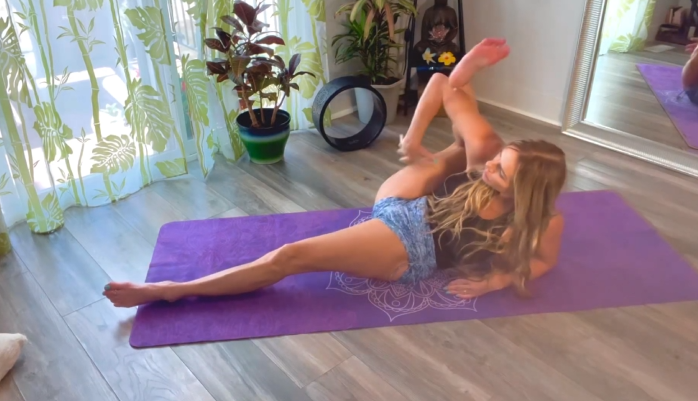
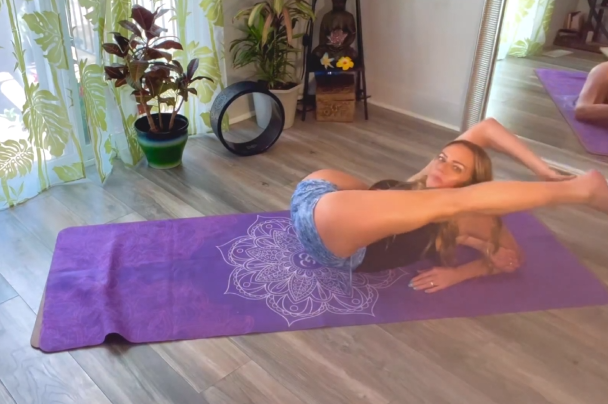
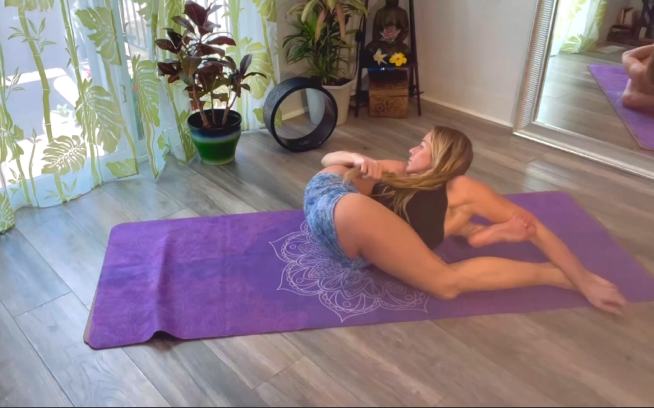
The Dimario Knot is a high-level contortion pose where the body appears twisted and tied into itself, often involving a deep backbend combined with extreme hip and shoulder flexibility. While visually stunning, it is not about showing off. It is a test of integration.
To approach the Dimario Knot safely, you must already have:
- Comfortable front and middle splits
- Strong and open shoulders
- Controlled backbends
- Excellent spinal awareness
- Calm breathing under intensity
Attempting it without these prerequisites is not training—it’s gambling with your body.
Warming Up: Non-Negotiable
Before any extreme flexibility session, a thorough warm-up is essential. Start by raising the heart rate with light cardio—jump rope, jogging, or flowing yoga for 8–10 minutes. Warm muscles stretch better and are far less likely to tear.
Next, mobilize every joint. Circles for the neck, shoulders, elbows, wrists, hips, knees, and ankles prepare the connective tissue. Dynamic stretches like leg swings, spinal waves, and arm circles gently introduce range without forcing it.
Only after this should deep stretching begin.
Active Stretching: Strength in the Stretch
Active stretching is the bridge between flexibility and strength. Instead of relaxing into a stretch, you actively use muscles to hold your limbs in extended positions.
For example, lifting your leg into a split position without using your hands builds hip flexor and hamstring strength. Holding a backbend by engaging the back muscles instead of dumping into the spine protects the lower back and increases usable range.
This kind of training directly supports advanced contortion and knot positions. It teaches your nervous system that extreme ranges are not dangerous when you are in control.
Spine and Backbend Training
The spine must be trained evenly. One of the biggest mistakes in flexibility training is compressing the lower back while neglecting the upper spine and shoulders. Healthy backbends distribute movement across the entire spine.
Start with spinal articulation—cat-cow, spinal waves, and segmented bridges. Progress to deeper backbends like Wheel Pose, Forearm Bridge, and eventually straight-arm bridges if your shoulders allow.
Always focus on length before depth. Think of reaching the chest forward and upward rather than collapsing backward. This protects the vertebrae and creates cleaner, more elegant contortion shapes.
Hips: The Gateway to Knots
Most contortion knots are limited by hip mobility. External rotation, internal rotation, flexion, and extension all play roles.
Deep lunges, Pigeon variations, Frog pose, and hip CARs (Controlled Articular Rotations) help build range. Middle splits are especially important for knot-based contortion because they train the inner thighs and pelvis to open safely.
Never force hip stretches. Hips are complex joints, and aggressive stretching can lead to long-term damage. Progress here should feel slow—but permanent.
Breath Control and Nervous System Training
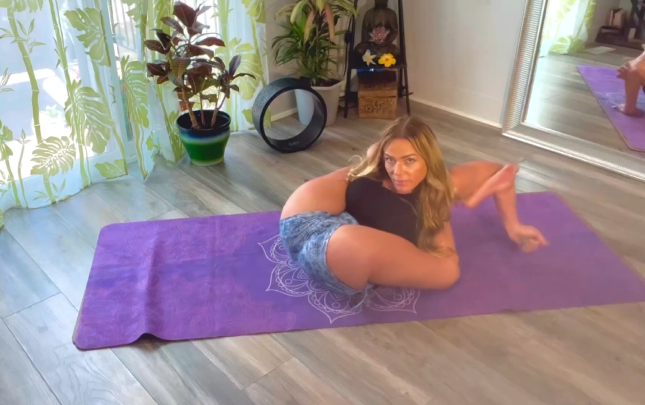
Extreme flexibility is as much neurological as it is physical. Your muscles are often capable of more range than your nervous system allows. Breath is the key to unlocking that barrier.
Slow nasal breathing, long exhales, and relaxed facial muscles tell the brain that you are safe. When the brain feels safe, it releases muscular guarding. This is why advanced yogis and contortionists appear calm even in extreme shapes.
If your breath becomes shallow or panicked, you’ve gone too far.
Mental Discipline and Patience
Stretching and contortion teach humility. Some days your body will open effortlessly. Other days it will feel tight and uncooperative. Progress is not linear.
Comparison is the enemy of longevity. Your anatomy is unique. The goal is not to copy someone else’s shape, but to explore your own potential safely and honestly.
Consistency matters more than intensity. Five years of patient training beats five weeks of forced stretching every time.
Recovery and Longevity
Recovery is where flexibility gains become permanent. After intense sessions, include gentle stretches, neutral poses, and relaxation. Hydration and proper nutrition support connective tissue health. Sleep allows the nervous system to reset.
Training extreme flexibility every day without rest leads to instability and injury. Balance hard sessions with lighter mobility days.
Bringing It All Together
Stretching and contortion are not isolated disciplines. When combined with yoga, fitness, and calisthenics, they form a complete system. Yoga teaches awareness and breath. Fitness and calisthenics build strength and control. Stretching expands range. Contortion expresses it.
The Dimario Knot is not the destination—it is a milestone. A symbol of integration, discipline, and respect for the body.
Extreme flexibility is not about forcing yourself into impossible shapes. It is about building a body that can move freely, powerfully, and safely through space.
Train smart. Breathe deeply. Be patient.
And remember: the most impressive flexibility is the kind that lasts a lifetime.