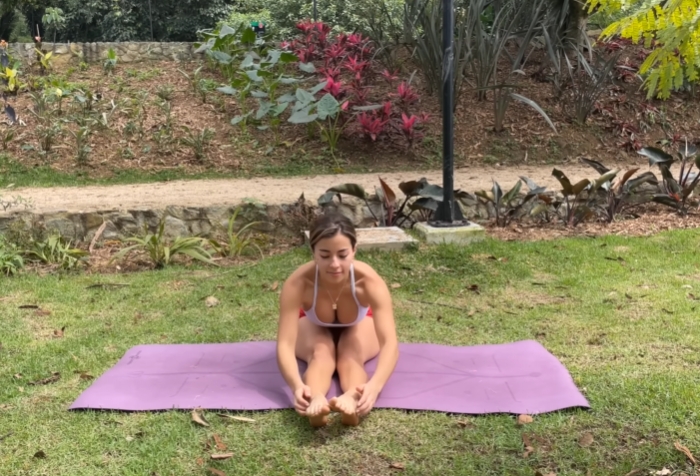
The hips are a central hub of movement, stability, and balance in the human body. Every step you take, every time you sit down or stand up, and even how you hold yourself throughout the day depends heavily on the health of your hips. Yet, for many people, the hips are tight, weak, or imbalanced due to long hours of sitting, lack of mindful movement, stress, or repetitive activities. Yoga for hips is a powerful and gentle way to restore mobility, release tension, and build strength in this essential area of the body.
Practicing yoga for hips is not only about flexibility. It is about creating harmony between strength and openness, learning to move with awareness, and reconnecting with the body through breath. A regular hip-focused yoga practice can transform the way you move, feel, and even think.
Why the Hips Matter So Much
The hips are one of the largest and strongest joints in the body. As ball-and-socket joints, they are designed to be both stable and highly mobile. They connect the legs to the pelvis and support the spine, playing a major role in posture and alignment. When the hips are tight or restricted, other areas—especially the lower back and knees—often compensate, which can lead to pain or injury over time.
Modern lifestyles are one of the biggest contributors to hip issues. Sitting for long periods shortens the hip flexors and weakens the glute muscles. This imbalance can cause stiffness, reduced range of motion, and discomfort during everyday movements. Yoga for hips directly addresses these issues by lengthening tight muscles, strengthening weak ones, and encouraging balanced movement patterns.
Emotional and Energetic Aspects of the Hips
In yoga philosophy, the hips are often associated with emotional storage. Many practitioners report experiencing emotional release during deep hip-opening poses, such as pigeon pose or frog pose. While not everyone has this experience, it highlights the close relationship between the body and mind.
Stress, anxiety, and unresolved emotions can manifest as physical tension, particularly in the hips and pelvis. Yoga for hips encourages slow, mindful movement and deep breathing, which helps calm the nervous system and create a safe space for both physical and emotional release.
Benefits of Practicing Yoga for Hips
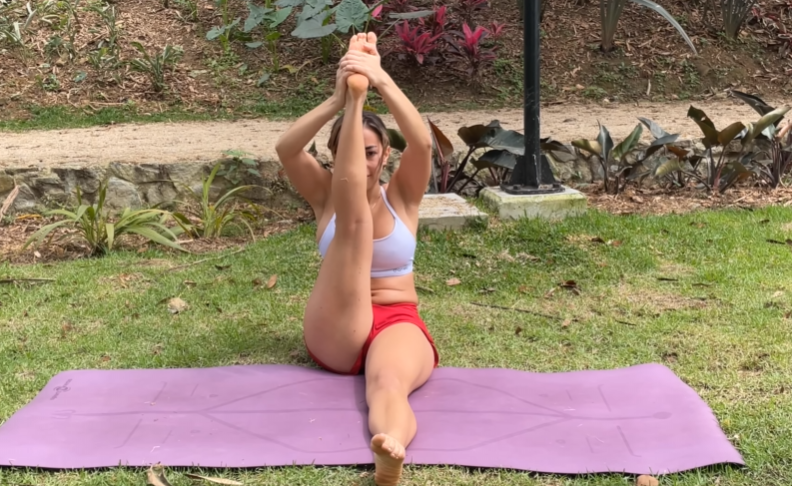
A consistent yoga practice focused on the hips offers a wide range of benefits:
- Improved flexibility and mobility in the hips and pelvis
- Reduced lower back and knee pain
- Better posture and spinal alignment
- Increased balance and stability
- Enhanced athletic performance
- Reduced stress and mental tension
- Greater body awareness and comfort in daily life
These benefits make yoga for hips suitable for everyone, from beginners and office workers to athletes and older adults.
Preparing for a Hip-Focused Yoga Practice
Before starting, it’s important to approach yoga for hips with patience and respect for your body. The hips can be slow to change, especially if they have been tight for years. Progress comes from consistency, not force.
Using props such as yoga blocks, bolsters, cushions, or folded blankets can greatly enhance your practice. Props provide support, help maintain alignment, and allow you to relax into poses rather than strain. Always move within a pain-free range and focus on smooth, steady breathing.
Gentle Warm-Up for the Hips
Warming up prepares the joints and muscles, making the practice safer and more effective.
Seated Awareness and Breathing
Sit comfortably with legs crossed or extended. Place your hands on your hips and take slow, deep breaths. Inhale through the nose, feeling the breath expand into the pelvis. Exhale through the mouth, allowing any tension in the hips to soften.
Pelvic Tilts
From a seated position, gently rock the pelvis forward and backward. This movement awakens the hip joints and increases circulation to the lower body.
Cat-Cow Pose
Come onto hands and knees. Inhale to arch the spine and tilt the pelvis forward. Exhale to round the spine and tuck the tailbone. Repeat for several breaths to connect spinal movement with hip mobility.
Key Yoga Poses for Hip Opening
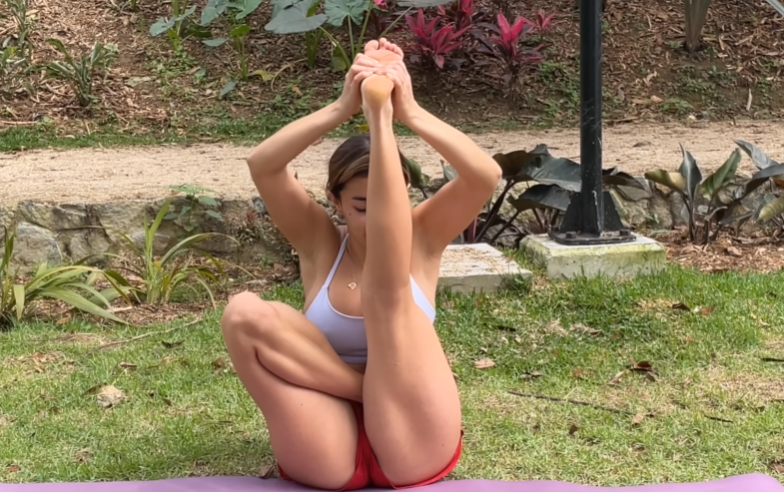
These foundational poses help stretch and release the major muscles around the hips.
Low Lunge (Anjaneyasana)
Step one foot forward and lower the back knee to the mat. Sink the hips gently forward while lifting the chest. This pose deeply stretches the hip flexors, which are often tight from sitting. Hold for several breaths and switch sides.
Pigeon Pose (Eka Pada Rajakapotasana)
From a tabletop or downward-facing dog, bring one knee forward and extend the other leg back. Keep the hips level and fold forward if comfortable. Pigeon pose targets the outer hips and glutes. Use a block or blanket under the hip for support if needed.
Butterfly Pose (Baddha Konasana)
Sit with the soles of the feet together and knees falling outward. Hold the feet or ankles and gently hinge forward. This pose opens the inner thighs and groin while encouraging relaxation.
Deep Hip Openers for Tension Release
These poses work deeply into the hips and should be approached slowly and mindfully.
Lizard Pose (Utthan Pristhasana)
From a low lunge, bring both hands inside the front foot. Lower onto the forearms or keep the hands on blocks. This pose targets the hip flexors and inner thighs. Breathe deeply and avoid forcing the stretch.
Frog Pose (Mandukasana)
Kneel on the mat and slowly widen the knees, keeping the feet turned outward. Lower onto the forearms and allow the hips to sink back. Frog pose is intense and should be practiced with patience and awareness.
Yogic Squat (Malasana)
Stand with feet slightly wider than hips and squat down, bringing the hips close to the floor. Keep the spine long and press the elbows into the knees. This pose improves hip mobility and strengthens the legs.
Strengthening the Hips with Yoga
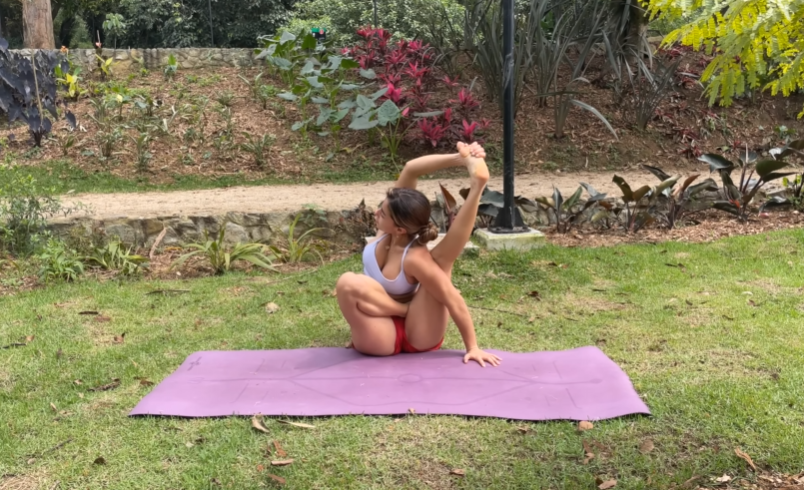
Strong hips are just as important as flexible hips. These poses build stability and support around the joints.
Warrior II (Virabhadrasana II)
From a wide stance, bend the front knee and extend the arms. Engage the hips and thighs while keeping the torso upright. This pose strengthens the hips and improves endurance.
Chair Pose (Utkatasana)
Stand with feet together, bend the knees, and sink the hips back as if sitting in a chair. Engage the core and hips. Chair pose builds strength in the hips, glutes, and thighs.
Bridge Pose (Setu Bandhasana)
Lie on your back with knees bent and feet hip-width apart. Lift the hips and engage the glutes. This pose strengthens the hips while gently stretching the front of the body.
Cooling Down and Relaxation
Cooling down helps the body absorb the benefits of the practice and prevents stiffness.
Supine Figure-Four Stretch
Lie on your back and cross one ankle over the opposite knee. Gently draw the legs toward the chest to release the outer hips.
Reclined Spinal Twist
Bring both knees to the chest and let them fall to one side. Extend the arms and relax. Twists help neutralize the spine after deep hip work.
Savasana
Lie flat on your back with arms relaxed and eyes closed. Focus on your breath and allow the hips to feel heavy and supported by the floor.
Building a Consistent Yoga for Hips Practice
Consistency is the key to lasting change. Practicing yoga for hips for just 10–20 minutes a few times a week can significantly improve mobility and comfort. Listen to your body, move slowly, and allow progress to unfold naturally.
Yoga for hips is not about pushing deeper into poses. It is about awareness, balance, and compassion toward your body. Over time, this mindful approach leads to healthier hips, better posture, and greater ease in movement.
Final Thoughts
Yoga for hips is a journey of release, strength, and self-discovery. By caring for your hips, you support your entire body and enhance your quality of life. With patience, breath, and regular practice, your hips can become more open, resilient, and free—allowing you to move through life with greater comfort, stability, and confidence.