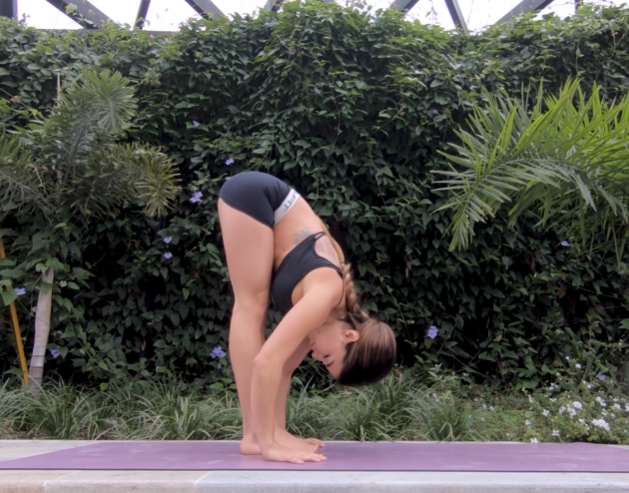
The hips are one of the most important yet often neglected areas of the body. They support nearly every movement we make—walking, sitting, bending, lifting, and even breathing. When the hips are tight or weak, the entire body can feel stiff, unbalanced, or uncomfortable. Practicing yoga for hips is one of the most effective ways to release tension, improve mobility, and restore a sense of ease and freedom in daily life. Whether you spend long hours sitting, are physically active, or simply want to move more comfortably, a regular hip-focused yoga practice can make a profound difference.
Understanding the Importance of Hip Health
The hip joint is a powerful ball-and-socket joint designed for both stability and mobility. It connects the upper body to the lower body and plays a key role in posture and alignment. However, modern lifestyles often involve prolonged sitting, which shortens the hip flexors and weakens the surrounding muscles. Over time, this can lead to lower back pain, poor posture, limited range of motion, and even knee discomfort.
Emotionally, the hips are also believed to be a storage center for stress and unresolved tension. Many yoga practitioners notice strong emotional releases during deep hip-opening poses. While this experience varies from person to person, it highlights how deeply connected the hips are to both physical and mental well-being.
Benefits of Yoga for the Hips
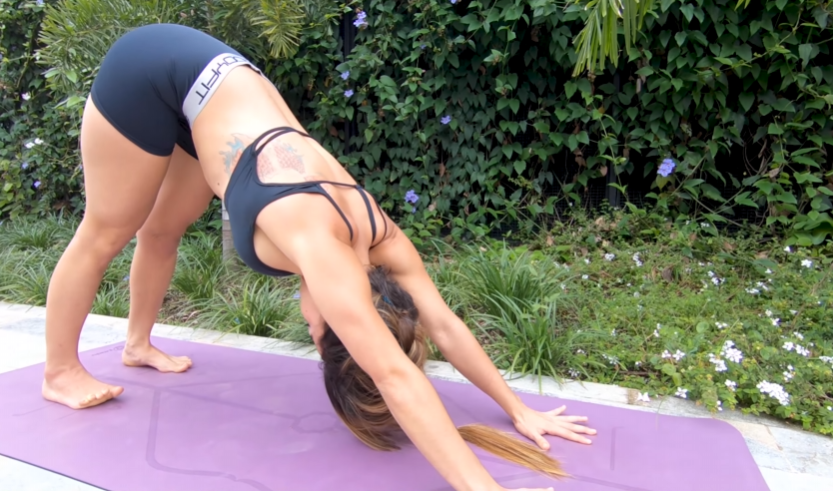
A consistent yoga practice targeting the hips offers benefits that extend far beyond flexibility. Hip-opening yoga poses help stretch tight muscles, strengthen weak areas, and create balanced support around the pelvis. Improved hip mobility can enhance athletic performance, reduce injury risk, and make everyday movements feel smoother and more natural.
Yoga for hips also supports spinal health. When the hips move freely, the lower back experiences less strain. This can significantly reduce chronic back pain and improve overall posture. Additionally, hip-focused yoga encourages mindful breathing, helping to calm the nervous system and reduce stress.
Preparing for a Hip-Focused Yoga Practice
Before starting yoga for hips, it’s important to approach the practice with patience and awareness. The hips can be stubborn, and forcing stretches may lead to discomfort or injury. Always warm up gently and move within your comfortable range of motion.
Using props such as yoga blocks, bolsters, or folded blankets can make hip poses more accessible and supportive. These tools help maintain proper alignment and allow the body to relax into each posture rather than resist it.
Gentle Warm-Up for the Hips
Begin your practice by slowly warming up the body to increase circulation and prepare the hip joints.
Seated Breathing and Awareness
Sit comfortably with legs crossed. Place your hands on your hips and take slow, deep breaths. As you inhale, imagine space being created around the hip joints. As you exhale, allow tension to soften. Stay here for several breaths.
Pelvic Circles
From a seated position, gently circle your torso, moving the pelvis in slow, controlled circles. Change directions after a few rounds. This movement lubricates the hip joints and releases stiffness.
Cat-Cow Pose
Come to hands and knees. Inhale to arch the spine and tilt the pelvis forward. Exhale to round the spine and tuck the tailbone. Repeat for 8–10 breaths, syncing movement with breath to awaken the hips and spine.
Foundational Yoga Poses for Hips
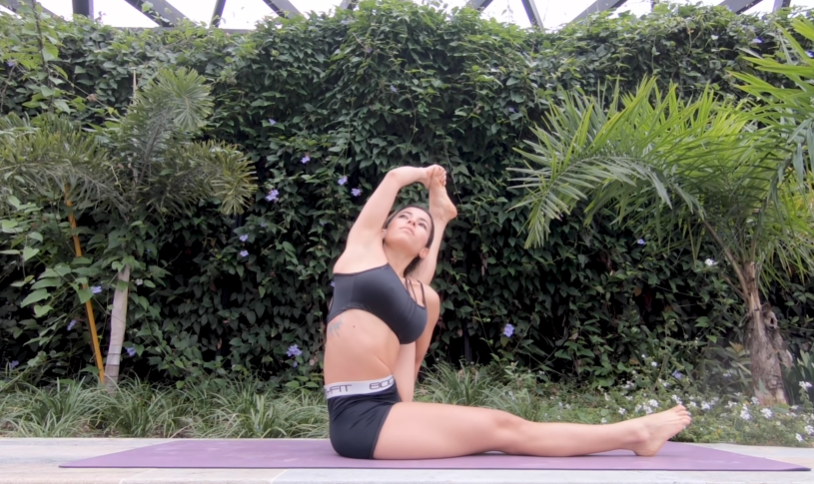
These classic yoga poses target different areas of the hips, helping to create balance and mobility.
Low Lunge (Anjaneyasana)
Step one foot forward between your hands and lower the back knee to the mat. Sink your hips forward while keeping the chest lifted. This pose deeply stretches the hip flexors, especially beneficial for those who sit often. Hold for several breaths, then switch sides.
Pigeon Pose (Eka Pada Rajakapotasana)
From a tabletop or downward-facing dog, bring one knee forward and place it behind the wrist. Extend the opposite leg back. Keep hips level and fold forward if comfortable. Pigeon pose targets the outer hips and glutes, releasing deep tension. Use a block or blanket under the hip for support if needed.
Goddess Pose (Utkata Konasana)
Stand with feet wide and toes turned out. Bend the knees and lower into a squat while keeping the spine upright. Press the knees outward and engage the inner thighs. This pose strengthens the hips while improving flexibility and stability.
Deep Hip Openers
These poses require patience and relaxation. Stay focused on your breath and avoid forcing the stretch.
Butterfly Pose (Baddha Konasana)
Sit with the soles of your feet together and knees falling outward. Hold your ankles or feet and gently hinge forward. This pose stretches the inner thighs and groin while encouraging relaxation in the hips.
Lizard Pose (Utthan Pristhasana)
From a low lunge, bring both hands inside the front foot and lower the elbows if possible. This intense hip opener targets the hip flexors and inner thighs. Modify by keeping the hands on blocks.
Frog Pose (Mandukasana)
Kneel on the mat and widen the knees while keeping the feet turned outward. Lower onto the forearms and allow the hips to sink back. Frog pose is powerful and should be approached slowly, with deep breathing.
Strengthening the Hips Through Yoga
Flexibility alone is not enough; strong hips provide stability and protect the joints.
Warrior II (Virabhadrasana II)
From a wide stance, bend the front knee and extend the arms. Engage the hips and thighs while keeping the torso upright. This pose strengthens the hip muscles and improves endurance.
Bridge Pose (Setu Bandhasana)
Lie on your back with knees bent and feet hip-width apart. Lift the hips and engage the glutes. Bridge pose strengthens the hips while gently stretching the hip flexors.
Chair Pose (Utkatasana)
Stand with feet together, bend the knees, and sink the hips back as if sitting in a chair. This pose builds strength in the hips and legs while promoting proper alignment.
Cooling Down and Relaxation
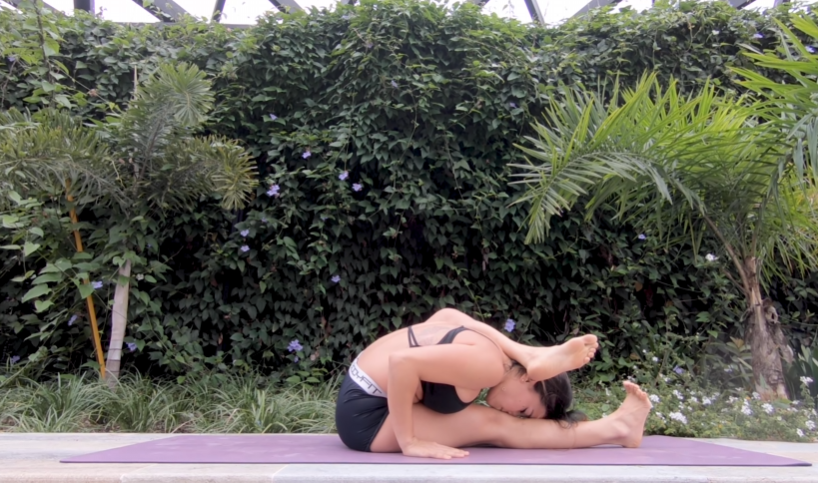
After working deeply into the hips, it’s essential to cool down and allow the body to integrate the benefits of the practice.
Supine Figure-Four Stretch
Lie on your back and cross one ankle over the opposite knee. Gently draw the legs toward the chest. This stretch releases the outer hips and lower back.
Reclined Spinal Twist
Bring both knees to the chest and let them fall to one side. Extend the arms and relax. Twists help neutralize the spine after deep hip work.
Savasana
End your practice by lying flat on your back with arms relaxed. Close your eyes and focus on your breath. Allow the hips to feel heavy and supported by the floor.
Creating a Sustainable Hip Yoga Practice
Consistency is key when it comes to improving hip mobility. Even 10–15 minutes of yoga for hips a few times a week can bring noticeable changes. Listen to your body, respect its limits, and allow progress to happen naturally.
Yoga for hips is not about pushing deeper into poses but about cultivating awareness, balance, and ease. Over time, this mindful approach leads to greater comfort, improved posture, and a renewed sense of freedom in your movements.
Final Thoughts
Healthy hips support a healthy life. Through yoga for hips, you can release tension, build strength, and reconnect with your body in a gentle yet powerful way. Each breath, each movement, and each moment on the mat contributes to long-term well-being. With patience and dedication, your hips will become more open, resilient, and ready to support you in everything you do.