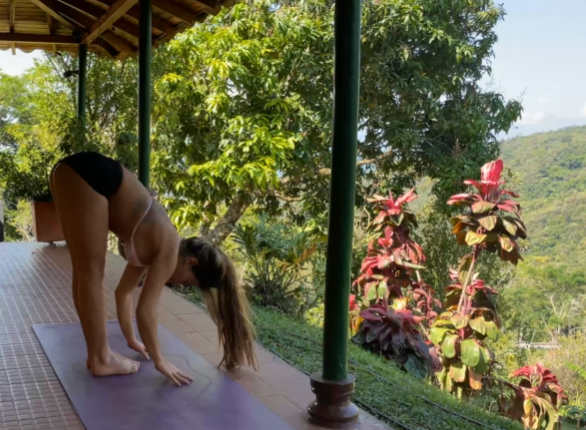
There is something ancient and deeply grounding about practicing yoga in the mountains. Long before studios, mirrors, playlists, and perfectly aligned mats, human beings moved, breathed, and meditated in nature. Mountains, with their towering presence and quiet strength, feel like sacred teachers. They remind us to slow down, to stand tall, to breathe deeply, and to listen—to the body, the breath, and the silence within.
Yoga in the mountains is not just a workout; it is an experience. The crisp air fills the lungs more completely, the earth beneath the feet feels solid and alive, and every movement becomes more intentional. Whether you are a seasoned yogi or a beginner exploring your first sun salutations, practicing yoga among peaks and valleys has a unique power to reset the mind and nourish the soul.
The Energy of the Mountains
Mountains carry a special kind of energy. They are symbols of stability, resilience, and patience. When you roll out your mat on a mountain ridge or a quiet hillside, you naturally begin to absorb these qualities. Standing poses like Mountain Pose (Tadasana) feel especially meaningful here. As you root your feet into the ground, you can imagine drawing strength from the earth itself, rising upward just like the mountains around you.
The stillness of the mountains invites introspection. Away from city noise and daily distractions, your mind has space to settle. Thoughts slow down, and awareness sharpens. You become more present with each breath, more connected to the rhythm of nature. This connection enhances the meditative aspect of yoga, allowing you to go deeper into each pose and each moment.
Breathing With the Landscape

Breath is the foundation of yoga, and mountain air transforms the breathing experience. Clean, cool, and fresh, it seems to flow more freely through the body. Pranayama practices feel clearer and more expansive. Simple breathing exercises—slow inhales through the nose, long exhales through the mouth—become incredibly powerful when paired with sweeping mountain views.
As you breathe in, imagine inhaling clarity and calm. As you breathe out, release tension, stress, and fatigue. The vastness of the mountains encourages deeper breaths, helping the nervous system relax. This natural environment supports better oxygen flow, improves focus, and promotes a sense of deep inner peace.
Movement in Harmony With Nature
Practicing yoga in the mountains invites you to move more mindfully. Uneven ground and natural surroundings encourage awareness of balance and alignment. Poses like Tree Pose, Warrior II, and Eagle Pose take on new meaning as you work with the terrain instead of fighting it. You learn to adjust, adapt, and trust your body.
Sun salutations performed at sunrise in the mountains are especially magical. As the sun slowly rises over the peaks, warming the air and lighting up the landscape, each movement feels synchronized with nature’s awakening. The flow becomes a moving meditation—inhale, reach up; exhale, fold forward; step back, open the heart. Time seems to pause.
Mental Clarity and Emotional Release
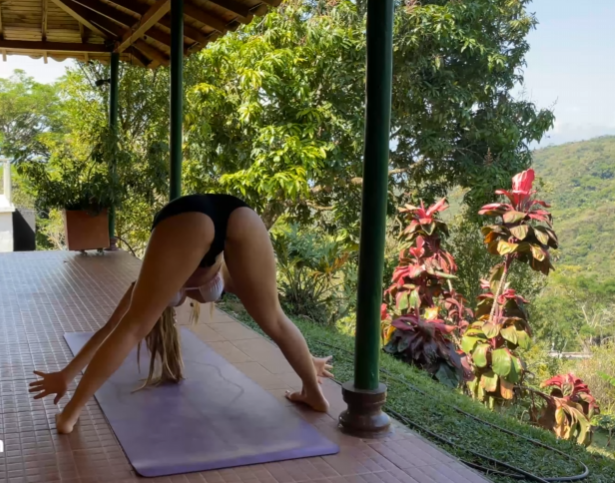
One of the greatest gifts of yoga in the mountains is mental clarity. The combination of physical movement, conscious breathing, and natural beauty helps clear mental clutter. Worries that once felt overwhelming begin to shrink in the face of towering peaks and endless skies.
Many people experience emotional release during mountain yoga sessions. The quiet allows buried feelings to surface gently. Tears may come, laughter may arise, or a deep sense of gratitude may settle in the heart. This is not weakness; it is healing. Nature provides a safe container for emotional expression, and yoga guides that energy toward balance and acceptance.
Spiritual Connection and Inner Stillness
Mountains have long been associated with spiritual awakening. From ancient monks meditating in caves to yogis practicing in Himalayan ashrams, these landscapes have served as gateways to higher awareness. Practicing yoga in the mountains can awaken a sense of something greater than oneself—a connection to the universe, to life, and to inner truth.
Meditation feels more accessible here. Sitting quietly, eyes closed, listening to the wind moving through trees or birds calling in the distance, the mind naturally settles. The boundaries between self and surroundings begin to blur. You feel both grounded and expansive, rooted yet free.
Physical Benefits of Mountain Yoga
From a physical perspective, practicing yoga at higher elevations can enhance endurance and strength. The body works slightly harder due to thinner air, encouraging deeper breathing and improved cardiovascular efficiency. Gentle challenges like this can increase stamina over time.
The cooler temperatures often found in mountain regions help prevent overheating, allowing for longer, more comfortable practice sessions. Muscles warm up gradually, reducing the risk of injury. The natural environment also encourages functional movement—stretching, balancing, and strengthening in ways that support real-life activities.
A Break From the Digital World
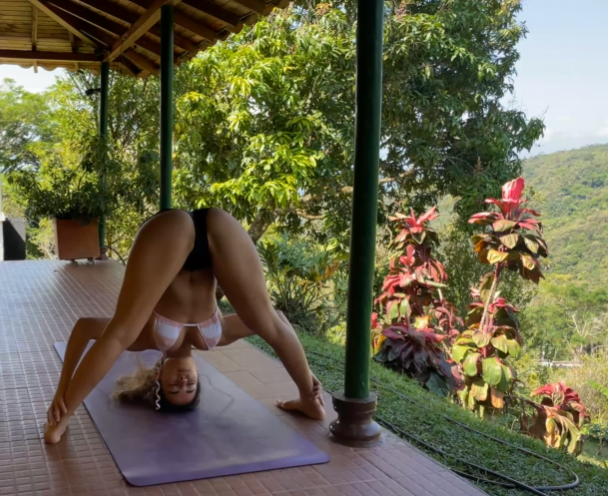
Yoga in the mountains often comes with an unspoken rule: disconnect to reconnect. Limited phone signals and the beauty of the surroundings make it easier to step away from screens. Without constant notifications, the mind rests more deeply. Attention turns inward, and presence becomes effortless.
This digital detox, combined with yoga practice, can have long-lasting effects. Many people return from mountain retreats feeling refreshed, inspired, and more in tune with their priorities. The simplicity of life in the mountains—wake, breathe, move, eat, rest—reminds us of what truly matters.
Practicing With Respect for Nature
Yoga in the mountains also teaches respect for the natural world. Practitioners become more aware of their impact on the environment. Choosing quiet locations, using eco-friendly mats, and leaving no trace behind are essential practices. Yoga encourages harmony—not just within the body, but with the earth itself.
This respect deepens gratitude. Each practice becomes a silent thank-you to the land, the air, and the life that surrounds you. The mountains give generously; it is our responsibility to honor them in return.
Bringing the Mountain Experience Home
While not everyone can practice yoga in the mountains every day, the lessons learned there can be carried anywhere. The sense of grounding, spacious breathing, mindful movement, and inner calm can be recreated in daily practice. Close your eyes and remember the feeling of solid earth beneath your feet, the openness of the sky above, and the steady rhythm of your breath.
Yoga in the mountains is a reminder that peace is always available—within and around us. Nature simply helps us remember.
Conclusion
Yoga in the mountains is more than a scenic workout; it is a journey inward. It blends physical strength with mental clarity, emotional healing with spiritual connection. Surrounded by ancient peaks and endless horizons, yoga becomes a dialogue between the body and the earth, the breath and the sky.
In the mountains, we learn to stand strong like the peaks, flow like the wind, and remain still like the stones beneath our feet. We remember who we are when distractions fall away. And when we roll up our mats and return to daily life, we carry a piece of the mountains within us—steady, calm, and quietly powerful.