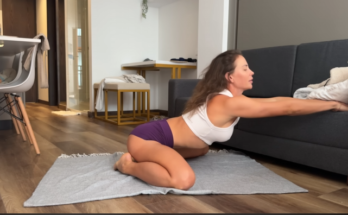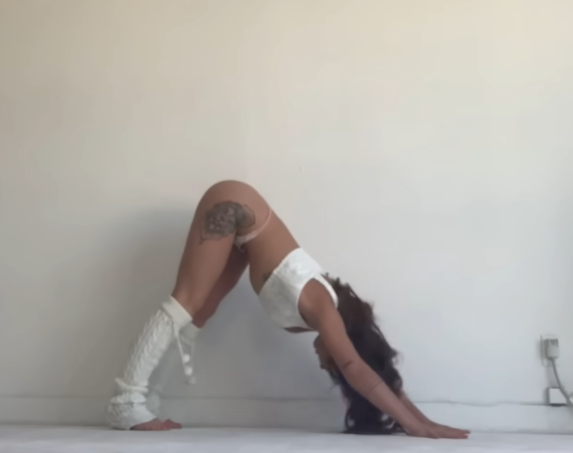
Handstands are one of the most empowering skills in yoga and bodyweight training. They build strength, confidence, coordination, and focus all at once. Practicing handstands at the wall is one of the safest and most effective ways to develop this skill, whether you are a beginner or an advanced practitioner refining technique. Wall handstand variations allow you to build core strength, improve alignment, and develop body awareness without the fear of falling.
A strong handstand begins long before you go upside down. Preparation is key. Warming up the shoulders, wrists, and core helps prevent injury and improves control. Wrist circles, shoulder rolls, plank holds, and hollow body drills activate the muscles needed to support the body in inversion. Handstands are not just about arm strength—they are a full-body effort led by the core.
The wall acts as both a teacher and a support. It provides feedback about alignment and allows you to stay upside down longer, focusing on strength and technique rather than balance. There are two main wall handstand positions: chest-to-wall and back-to-wall. Each offers unique benefits.

Chest-to-wall handstands are often recommended for developing proper alignment. Facing the wall encourages a straight line from wrists to ankles. Begin by placing hands about a foot away from the wall, shoulder-width apart, fingers spread wide. Walk your feet up the wall until your chest faces it. Press strongly through the palms, actively pushing the floor away. This engagement protects the shoulders and creates lift.
Core engagement is the foundation of a stable handstand. One of the most important cues is to draw the ribs in and slightly tuck the pelvis. This creates a hollow body position, preventing arching in the lower back. Think of pulling the belly button toward the spine while squeezing the glutes gently. A strong core keeps the body stacked and efficient.
Once comfortable holding a chest-to-wall handstand, variations can be added to increase strength and control. One effective variation is shoulder taps. While in the handstand, slowly shift weight into one hand and gently lift the opposite hand to tap the shoulder or hover just off the floor. This challenges balance and builds unilateral shoulder and core strength. Move slowly and with control to maintain alignment.
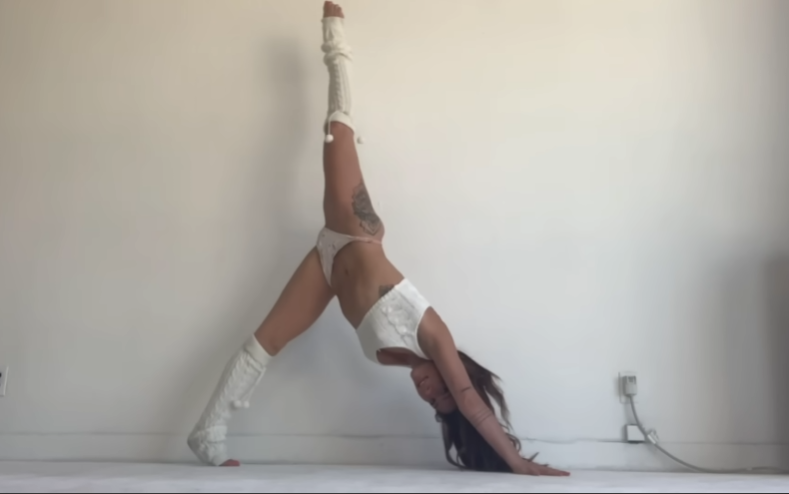
Another powerful variation is the wall walk. Starting in plank with feet at the wall, walk your feet up while walking your hands closer to the wall. Pause at different points, maintaining core engagement. Wall walks build strength through the entire range of motion and teach control during transitions, which is essential for freestanding handstands.
Back-to-wall handstands are useful for beginners and for practicing balance awareness. In this variation, kick up gently until the heels touch the wall. While this position allows more arching, it can help you understand how small shifts affect balance. Focus on pressing through the shoulders and engaging the core to avoid dumping into the lower back.
Heel pull-offs are a great back-to-wall variation. Begin with heels resting lightly against the wall. Engage the core and slowly peel one heel, then the other, away from the wall. Hold the balance for a moment before returning. This exercise builds confidence and teaches how to find balance without fully committing to a freestanding handstand.
Another valuable variation is the tuck handstand at the wall. From a chest-to-wall position, slowly bend the knees and draw them toward the chest. This shifts the center of gravity and challenges the core deeply. Tuck holds strengthen hip flexors and teach control in compact positions, which are helpful for press handstands.
Core strength is the silent driver of handstand success. Hollow body holds on the floor translate directly to inverted stability. Plank variations, such as forearm plank with shoulder protraction, build endurance and teach the correct engagement pattern. Compression exercises like L-sit progressions also support handstand control by strengthening the muscles that lift the legs.
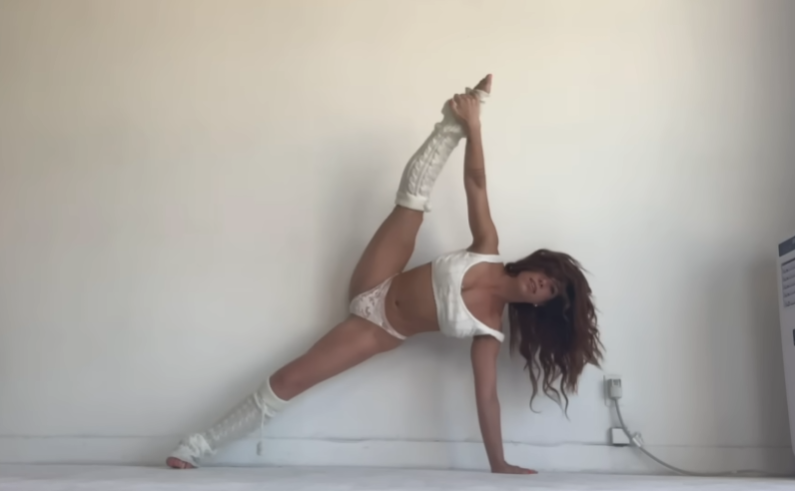
Breathing plays a crucial role in handstand practice. Many people hold their breath when inverted, creating unnecessary tension. Practice slow, steady breathing through the nose. Controlled breath helps regulate the nervous system and improves endurance. Calm breathing also enhances focus, which is essential when balancing upside down.
Strength techniques for handstands extend beyond the wall. Pike push-ups and elevated pike holds strengthen shoulders and mimic the pressing pattern used in handstands. Scapular shrugs in a plank or handstand position teach shoulder elevation, a key element of safe and strong inversions.
Consistency matters more than intensity. Short, frequent handstand sessions build strength and coordination more effectively than occasional long practices. Even five to ten minutes of wall work can lead to noticeable progress over time.
Equally important is recovery. Wrists, shoulders, and the nervous system need care. Stretch the forearms, shoulders, and upper back after practice. Gentle spinal movements help rebalance the body after inversion.
Wall handstand variations offer a structured and supportive path toward inversion mastery. They teach patience, discipline, and body awareness. Over time, strength improves, fear decreases, and balance becomes more intuitive.
Handstands are not about perfection. They are about exploration and growth. The wall is not a crutch—it is a tool. By using it wisely, you build the foundation needed for confident, controlled, and strong handstands.
With focused core engagement, smart strength techniques, and consistent practice, the wall becomes a partner in progress, guiding you toward greater stability, power, and freedom upside down.