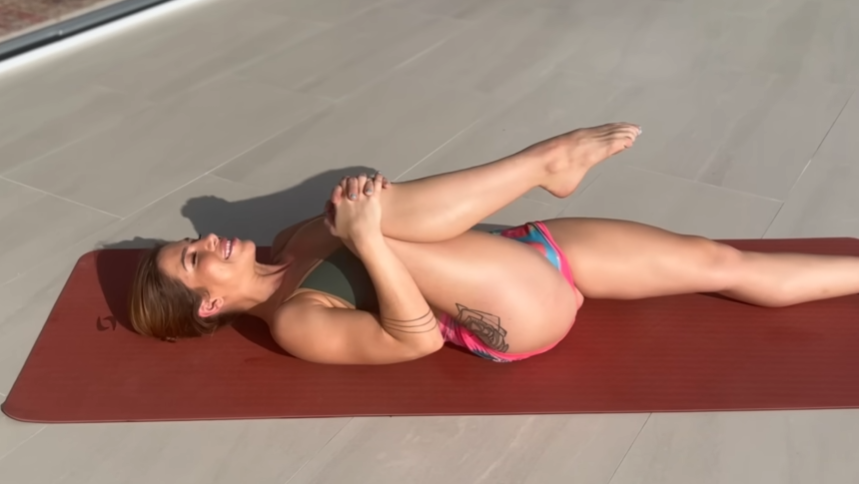
Front splits, also known as Hanumanasana, are often seen as one of the most impressive yoga postures. But beyond the visual beauty, this pose represents patience, consistency, and deep body awareness. Achieving the front splits is not about forcing flexibility—it is about listening, preparing, and allowing the body to open gradually over time. A mindful yoga stretching routine can safely guide the body toward greater front splits flexibility while building strength, balance, and control.
The foundation of front splits flexibility lies in the hips, hamstrings, hip flexors, and quadriceps. Tightness in any of these areas can limit progress or cause strain. That is why a full yoga routine for splits focuses not only on stretching, but also on warming up the muscles and activating supporting structures. Flexibility without strength can lead to injury, while strength without flexibility restricts movement. Yoga brings both into balance.
Begin the practice by grounding the body and calming the breath. Standing at the top of the mat, take several slow breaths to settle the nervous system. Gentle awareness prepares the body for deeper work. When the mind is relaxed, muscles are more willing to release.
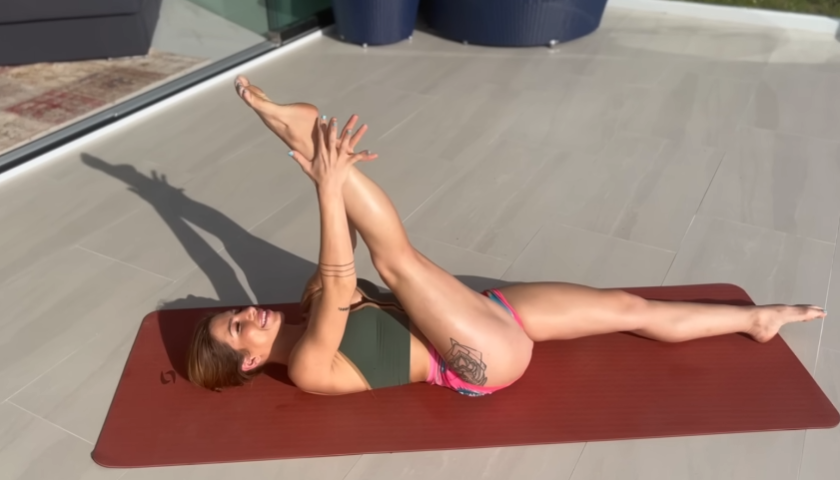
Start with a full-body warm-up. Sun Salutations are an excellent way to generate heat and increase circulation. Flowing through Forward Folds, Half Lifts, Plank, and Cobra awakens the spine and lengthens the backs of the legs. Each movement should be slow and connected to the breath. Rushing only increases tension.
After warming the body, focus on the hips. Low Lunge is a key posture for front splits preparation. From a lunge position, drop the back knee to the mat and gently press the hips forward. This stretch targets the hip flexor of the back leg, one of the most common restrictions in front splits. Keep the chest lifted and core engaged to protect the lower back. Breathing deeply here allows the muscles to soften naturally.
From Low Lunge, transition into Half Split. Shift the hips back while straightening the front leg, toes pointing upward. This pose stretches the hamstrings of the front leg, another essential area for splits flexibility. Rather than forcing the stretch, focus on lengthening the spine and hinging forward with control. Sensation is welcome, pain is not.
Repeat this lunge-to-half-split flow several times on each side. Dynamic stretching like this helps the body adapt without shock. Each round creates more space and ease.
Next, move into Pyramid Pose. This posture deepens hamstring flexibility while also challenging balance and alignment. Square the hips forward and fold gently over the front leg. Use blocks if needed to maintain a long spine. Consistency in this pose builds both patience and progress.
Butterfly Pose is another valuable stretch in a splits routine. Sitting tall with the soles of the feet together, gently allow the knees to lower toward the ground. This pose opens the inner thighs and hips, supporting overall leg flexibility. Avoid pushing the knees down; instead, allow gravity and breath to do the work.
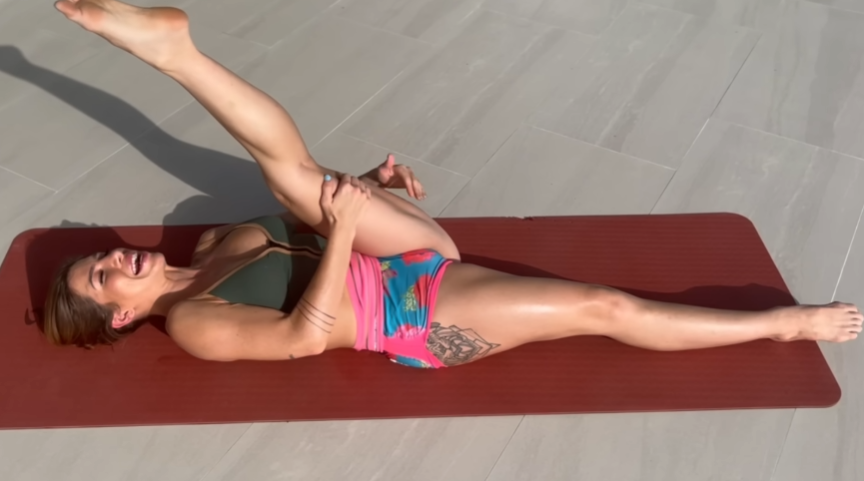
As the body warms further, deeper hip openers can be introduced. Pigeon Pose targets the external rotators of the hip, which often hold tension that limits splits progress. Keep the hips supported and the breath steady. If the stretch feels intense, reduce depth or use props. There is no benefit in pain.
After hip openers, return to hamstring-focused poses such as Seated Forward Fold or Head-to-Knee Pose. These seated stretches allow the nervous system to calm while still encouraging length in the legs. Folding forward with awareness teaches the body how to release without resistance.
Now the body is ready for deeper front splits preparation. From a Low Lunge, slowly begin to slide the front foot forward and the back knee backward, maintaining control and support. Keep the hips squared and the torso upright. This is a preparatory split, not the final pose. Use blocks under the hands or hips for stability.
Breathing is especially important here. Long, slow exhales signal the muscles to relax. Never force the descent. Progress in splits is measured in millimeters, not dramatic drops. Over time, patience yields results.
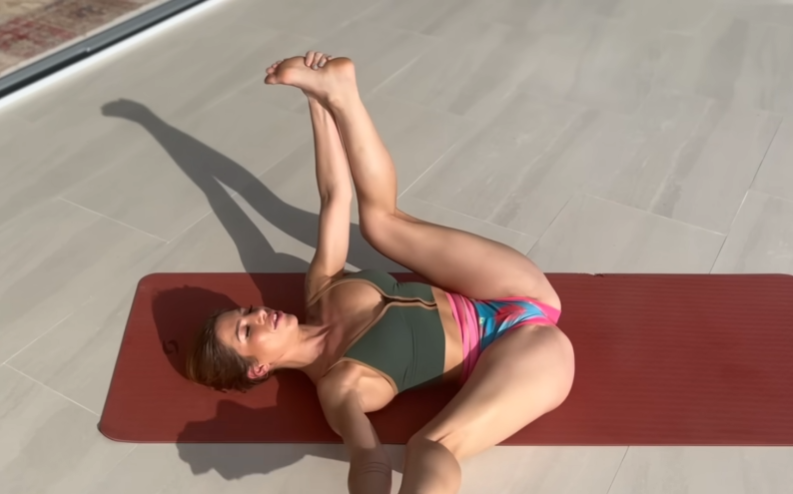
If full front splits are accessible, enter the pose mindfully. Place the hips evenly between the legs, ensuring both sides of the body are equally supported. Stay for only a few breaths, maintaining ease and awareness. Splits should feel expansive, not aggressive.
After working deeply, counterposes are essential. Gentle backbends like Cobra or Sphinx help rebalance the hips and spine. These poses release compression and restore neutral alignment after intense stretching.
Finish the routine with a long Savasana. Allow the body to absorb the benefits of the practice. Flexibility gains happen not just during stretching, but during rest, when muscles integrate new length.
Yoga for front splits is a journey, not a destination. Some days the body opens easily; other days it resists. Both experiences are part of growth. Progress comes from consistency, patience, and respect for the body’s natural limits.
With regular practice, front splits flexibility improves not only physically, but mentally. The discipline required to approach splits teaches resilience, focus, and self-compassion. Over time, the pose becomes a symbol of trust—trust in the process, trust in the body, and trust in gradual transformation.
Remember, the goal is not just to touch the floor. The goal is to move with awareness, breathe with intention, and stretch with kindness. In yoga, fle