In today’s busy world, finding time to care for your body can feel challenging. Long hours of sitting, scrolling, driving, or standing can slowly reduce flexibility, tighten muscles, and leave you feeling stiff and uncomfortable. The good news is that you don’t need a long workout or complex yoga poses to feel better. Quick stretching exercises, when done consistently, can dramatically improve flexibility, reduce tension, and help your body move with ease. This simple and effective routine is designed for anyone who wants fast results without stress or strain.
Why Quick Stretching Matters
Flexibility is not just for athletes or dancers. It plays a vital role in everyday life. Flexible muscles and joints allow you to move more freely, maintain better posture, and reduce the risk of injury. Even short stretching sessions help improve circulation and bring oxygen to tired muscles.
Quick stretching exercises help to:
- Reduce muscle stiffness and soreness
- Improve joint mobility and posture
- Increase blood flow and energy
- Relieve stress stored in the body
- Support overall physical well-being
The key is consistency. Just 5–15 minutes a day can make a noticeable difference over time.
Getting Ready: Simple Preparation
Before starting, find a comfortable space where you can move freely. You don’t need special equipment—just a soft surface or yoga mat. Wear loose clothing and move gently, never forcing your body.
Begin with a few slow breaths. Inhale deeply through your nose and exhale through your mouth. Let your shoulders relax and your mind settle. Stretching should feel relieving, not painful.
Neck and Shoulder Stretches: Releasing Daily Tension
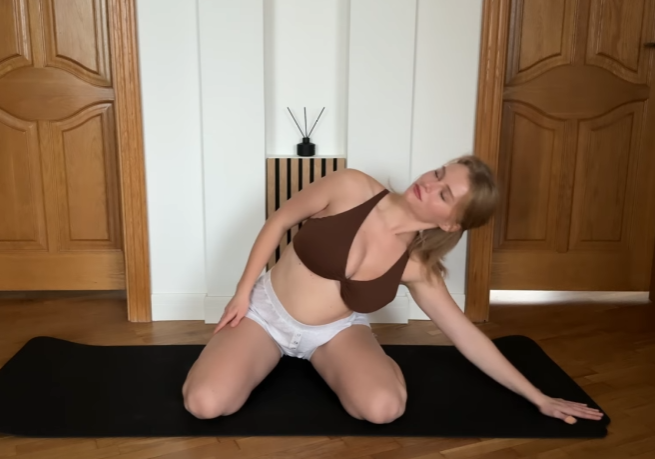
Neck Tilt Stretch
Sit or stand tall. Slowly tilt your head to the right, bringing your ear toward your shoulder. Hold for 15–20 seconds, breathing calmly. Switch sides. This stretch releases tension caused by stress and screen time.
Shoulder Rolls
Lift your shoulders toward your ears, roll them back, and then down. Repeat 10 times, then reverse the direction. Shoulder rolls improve circulation and reduce stiffness in the upper back.
Cross-Body Shoulder Stretch
Bring one arm across your chest and gently pull it closer using the opposite hand. Hold for 20 seconds, then switch sides. This stretch helps loosen tight shoulders and arms.
Upper Body Stretches: Creating Space
Arm Overhead Stretch
Raise one arm overhead and bend it behind your head. Use the opposite hand to gently press the elbow down. Hold for 20 seconds and switch sides. This stretch targets the triceps and shoulders.
Chest Opener
Clasp your hands behind your back and straighten your arms. Lift your hands slightly and open your chest. This stretch counteracts poor posture and helps you breathe more deeply.
Spine and Back Stretches: Restoring Mobility
Standing Forward Fold
Stand with feet hip-width apart. Slowly bend forward at the hips, letting your head and arms hang down. Bend your knees if needed. Hold for 20–30 seconds. This stretch relaxes the spine and hamstrings.
Cat–Cow Stretch
Get onto your hands and knees. Inhale as you arch your back and lift your chest. Exhale as you round your spine and tuck your chin. Repeat slowly 8–10 times. This movement improves spinal flexibility and relieves back tension.
Seated Spinal Twist
Sit tall, bend one knee, and gently twist your torso toward that side. Hold for several breaths, then switch. Twists help keep the spine healthy and flexible.
Lower Body Stretches: Improving Flexibility Where It Matters Most
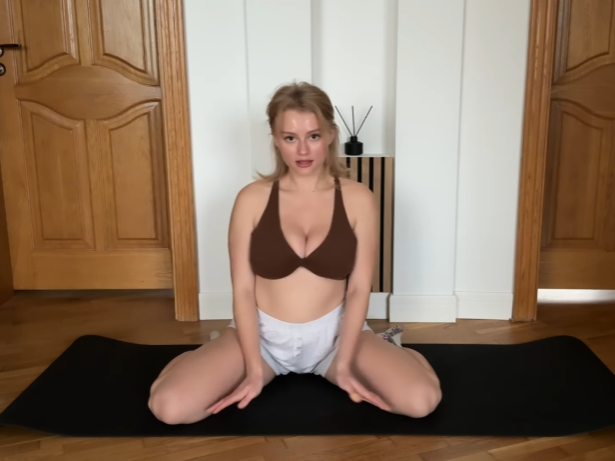
Hip Flexor Stretch
Step one foot forward into a low lunge position, keeping the back knee on the floor. Gently push your hips forward while keeping your chest lifted. Hold for 20–30 seconds, then switch sides. This stretch is essential for anyone who sits often.
Hamstring Stretch
Sit with one leg extended and the other foot placed against the inner thigh. Lean forward slightly, keeping your back straight. Hold for 20 seconds and switch sides. Flexible hamstrings reduce lower back strain.
Quad Stretch
Stand tall and bend one knee, bringing your heel toward your glutes. Hold your ankle and keep your knees together. Switch sides after 20 seconds. This stretch supports knee health and balance.
Calf Stretch
Step one foot back and press the heel toward the floor. Hold for 15–20 seconds and switch. This stretch improves ankle mobility and circulation.
Full-Body Stretch: Bringing It All Together
Side Body Stretch
Stand with feet slightly apart. Inhale and lift both arms overhead. Lean gently to one side, feeling the stretch along your ribs and waist. Switch sides after a few breaths. This stretch improves flexibility in the spine and sides of the body.
Wide-Leg Forward Fold
Stand with legs wide apart and gently fold forward. Let your hands rest on the floor or your legs. Hold for 20–30 seconds. This stretch targets the inner thighs, back, and hips.
Quick Relaxation: Letting the Body Absorb the Benefits
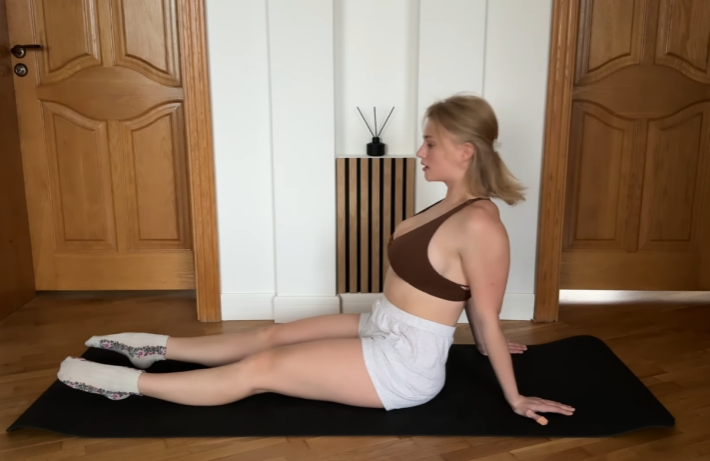
End your routine with a brief moment of stillness. Sit or lie down comfortably. Close your eyes and focus on your breathing. Inhale slowly, exhale fully. Notice how your body feels lighter, looser, and more relaxed.
Even one minute of conscious relaxation helps calm the nervous system and lock in the benefits of stretching.
Making Stretching a Daily Habit
The beauty of this routine lies in its simplicity. You can do these quick stretching exercises in the morning to wake up your body, during a break to reset your posture, or in the evening to unwind. You don’t need perfection—just presence and consistency.
Over time, you’ll notice improved flexibility, better movement, and reduced stiffness. Your body will feel more comfortable, balanced, and ready for whatever the day brings.
Simple. Effective. Powerful.
That’s the true value of quick stretching exercises for flexibility.