Achieving the splits is a goal many people dream about, yet few believe is truly possible for them. Whether you’re aiming for front splits, middle splits, or simply greater lower-body flexibility, the journey is not about forcing your body—it’s about patience, consistency, and smart stretching. This split flexibility routine is designed to safely improve your flexibility, increase range of motion, and help your body open up naturally over time.
You don’t need to be a gymnast or dancer to benefit from split training. Even if the floor feels very far away right now, this routine will help you build flexibility step by step while keeping your muscles healthy and relaxed.
Understanding Split Flexibility
Split flexibility focuses mainly on the hips, hamstrings, quadriceps, glutes, and inner thighs. These muscle groups tend to become tight due to prolonged sitting, lack of movement, or improper stretching habits. When trained gently and consistently, these areas can lengthen and adapt.
Improving flexibility for splits offers many benefits beyond the pose itself:
- Increased hip mobility
- Reduced lower back tension
- Better posture and movement efficiency
- Improved athletic and daily performance
- Greater body awareness and control
The key principle is slow progress. Flexibility improves over weeks and months, not overnight.
Preparing Your Body: Warm-Up Is Essential
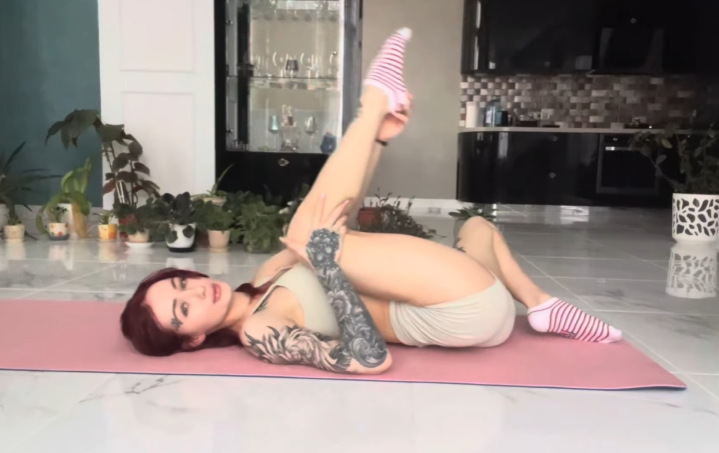
Before attempting any deep stretches, your body must be warm. Cold muscles resist stretching and increase the risk of injury. Begin with 5–10 minutes of light movement such as walking, gentle yoga flow, or dynamic leg swings.
Once your body feels warm, move into the following routine.
Step 1: Hip Openers for Mobility
Low Lunge Stretch
Step one foot forward into a lunge position, with the back knee resting on the floor. Gently sink your hips forward while keeping your chest upright. You should feel a stretch in the hip flexor of the back leg.
Hold for 30–60 seconds, breathing deeply, then switch sides. This stretch is crucial for front splits, as tight hip flexors often limit progress.
Hip Circles
From a standing position, lift one knee and make slow circles with your hip. Repeat in both directions, then switch legs. This improves joint mobility and prepares the hips for deeper stretching.
Step 2: Hamstring Lengthening
Half Split (Ardha Hanumanasana)
From a low lunge, shift your hips back and straighten the front leg. Keep your back long and fold forward gently. This stretch targets the hamstrings, which are key for front splits.
Hold for 30–60 seconds on each side. Use yoga blocks or place your hands on the floor for support.
Seated Hamstring Stretch
Sit with one leg extended and the other bent. Lean forward slightly with a straight spine. This controlled stretch helps lengthen the hamstrings without strain.
Step 3: Inner Thigh Stretching for Middle Splits
Butterfly Stretch
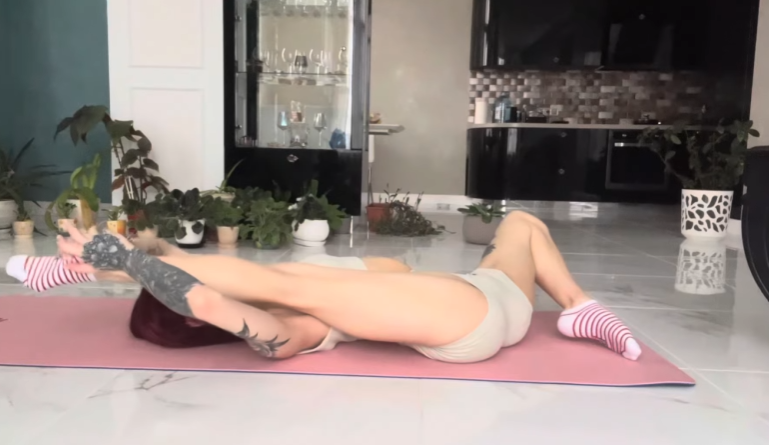
Sit and bring the soles of your feet together. Let your knees fall toward the floor. Gently hinge forward while keeping your spine long. This stretch opens the inner thighs and hips.
Hold for at least one minute, breathing slowly and allowing gravity to assist.
Wide-Leg Forward Fold
Stand or sit with your legs wide apart. Fold forward gently, placing your hands on the floor or forearms down if comfortable. This stretch deeply targets the inner thighs and prepares the body for middle splits.
Step 4: Quadriceps and Glute Stretching
Quad Stretch
From a kneeling or standing position, bend one knee and bring your heel toward your glutes. Hold your ankle and keep your hips aligned. Tight quadriceps often restrict front split depth.
Pigeon Pose
From a plank or downward-facing dog, bring one knee forward and lower your hips. Extend the back leg straight behind you. Pigeon pose deeply stretches the glutes and outer hips.
Hold for 45–60 seconds on each side. If the stretch feels intense, place a cushion under your hip for support.
Step 5: Gradual Split Practice
Once your muscles are open and warm, you can gently explore the split position.
Front Split Preparation
From a low lunge, slowly slide your front foot forward and your back knee backward. Use your hands or blocks for support. Stop before pain begins. The goal is not to reach the floor but to relax in the deepest comfortable position.
Hold for 20–40 seconds, breathing deeply, then switch sides.
Middle Split Preparation
From a wide stance, slowly slide your feet outward while keeping your torso upright or supported by your hands. Lower only as far as feels safe.
Never bounce or force your body deeper. Flexibility improves when muscles feel safe, not threatened.
Breathing and Mindset

Breathing plays a powerful role in flexibility training. Slow, deep breaths signal your nervous system to relax, allowing muscles to lengthen more effectively. Inhale through your nose, exhale slowly through your mouth, and imagine tension melting away.
Equally important is mindset. Progress is personal. Comparing yourself to others can create unnecessary frustration. Celebrate small improvements—each extra centimeter is a victory.
Cooling Down and Recovery
Finish your routine with gentle movements and relaxation.
Supine Twist
Lie on your back and twist your knees to one side, then the other. This helps release tension from the spine and hips.
Savasana
Lie flat and relax for a few minutes, allowing your body to absorb the benefits of the practice.
Staying Consistent for Lasting Results
Consistency is the secret to split flexibility. Practicing this routine 3–5 times a week will lead to steady, safe progress. Some days your body will feel open; other days it may feel tight. Both are normal.
With patience, proper technique, and mindful breathing, your flexibility will improve. Over time, the splits will feel more accessible—and your body will feel stronger, freer, and more balanced.
Improving your flexibility is a journey. Trust the process, listen to your body, and enjoy every step along the way.