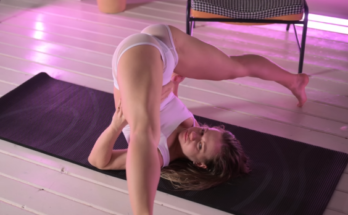
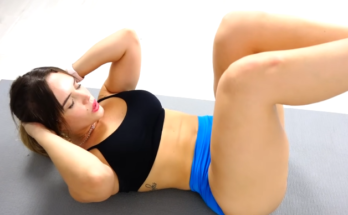
Stretching is one of the simplest and most effective ways to improve your overall health, yet many beginners feel unsure about where to start. The good news is that you don’t need a gym, expensive equipment, or advanced knowledge to become more flexible. With a short daily routine done at home, anyone can gradually loosen tight muscles, improve posture, and feel more relaxed both physically and mentally.
This guide is designed especially for beginners. The exercises are gentle, safe, and easy to follow. You can complete the entire routine in 15–20 minutes, making it perfect for busy schedules. All you need is a comfortable space, a mat or towel, and your own body.
Why Stretching Matters
Stretching improves flexibility, which is the ability of your muscles and joints to move through their full range of motion. When muscles are tight, movement becomes restricted, posture suffers, and the risk of injury increases. Regular stretching helps:
- Reduce muscle stiffness and soreness
- Improve posture and balance
- Increase blood circulation
- Reduce stress and tension
- Support better movement in daily activities
For beginners, the key is consistency rather than intensity. Stretching should feel gentle, never painful. Over time, small daily efforts lead to noticeable improvements.
Important Stretching Tips for Beginners
Before starting the routine, keep these basic rules in mind:
- Warm up slightly – A few minutes of walking in place or gentle arm swings is enough.
- Breathe deeply – Never hold your breath. Slow breathing helps muscles relax.
- Move slowly – Avoid bouncing or forcing your body into positions.
- Listen to your body – Mild tension is okay; sharp pain is not.
- Be consistent – Stretching a little every day is better than stretching a lot once a week.
A Simple Daily Stretching Routine (15–20 Minutes)

1. Neck Stretch (2 Minutes)
Start by standing or sitting upright.
- Gently tilt your head to the right, bringing your ear toward your shoulder
- Hold for 15–20 seconds
- Return to center and switch sides
- Slowly lower your chin toward your chest and hold
This stretch helps relieve neck tension caused by phone use, computers, and stress.
2. Shoulder and Arm Stretch (3 Minutes)
- Raise your right arm across your chest
- Use your left hand to gently pull it closer
- Hold for 15–20 seconds, then switch sides
Next:
- Interlace your fingers behind your back
- Straighten your arms and lift them slightly
- Open your chest and hold
These stretches improve shoulder mobility and reduce upper-body stiffness.
3. Upper Back Stretch (2 Minutes)
- Stand or sit and interlace your fingers in front of you
- Push your hands forward while rounding your upper back
- Drop your head slightly and hold
This stretch is especially helpful if you spend long hours sitting.
4. Standing Side Stretch (2 Minutes)
- Stand with feet shoulder-width apart
- Raise your right arm overhead
- Gently bend to the left, feeling the stretch along your side
- Hold, then switch sides
This movement improves flexibility in the spine and waist.
5. Hamstring Stretch (3 Minutes)
- Sit on the floor with one leg extended and the other bent
- Lean forward from the hips toward the extended leg
- Keep your back straight and hold
- Switch legs
Hamstrings are often tight, especially for beginners. Stretch gently and patiently.
6. Hip and Glute Stretch (3 Minutes)
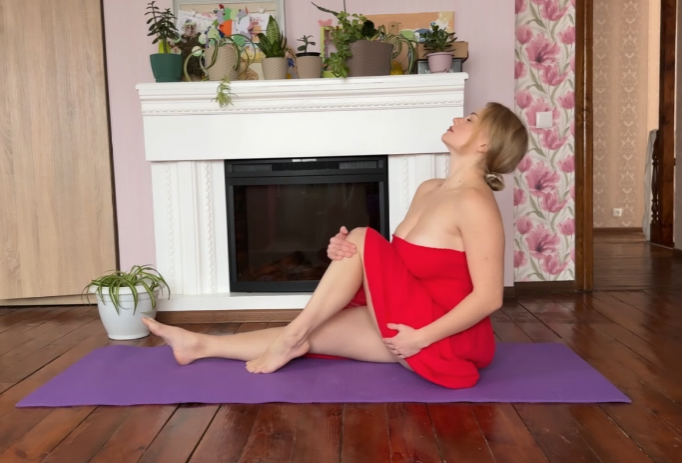
- Lie on your back
- Bend one knee and pull it toward your chest
- Hold, then switch sides
For a deeper stretch:
- Cross one ankle over the opposite knee
- Gently pull the bottom leg toward you
This helps improve hip mobility and reduce lower-back tension.
7. Lower Back Stretch (2 Minutes)
- Lie on your back with knees bent
- Gently rock your knees side to side
- Keep your shoulders relaxed on the floor
This soothing stretch releases tension in the lower spine.
8. Calf and Ankle Stretch (2 Minutes)

- Stand facing a wall
- Step one foot back and press the heel into the floor
- Hold and switch sides
Flexible calves and ankles support better walking, balance, and posture.
9. Full Body Relaxation Stretch (3 Minutes)
- Lie flat on your back
- Stretch your arms overhead and legs long
- Take slow, deep breaths
- Let your body completely relax
This final stretch helps calm the nervous system and end the routine peacefully.
How Often Should Beginners Stretch?
For best results:
- Stretch daily, or at least 4–5 times per week
- Morning stretching helps wake up the body
- Evening stretching helps release stress and tension
Even short sessions are beneficial if done consistently.
Common Beginner Mistakes to Avoid
- Stretching too hard or too fast
- Skipping breathing
- Comparing flexibility with others
- Giving up too soon
Flexibility improves gradually. Progress may feel slow at first, but it will come.
Final Thoughts
Easy home stretching exercises are a powerful habit for beginners. This simple daily routine supports flexibility, relaxation, and overall well-being without requiring special equipment or long workouts. By listening to your body and practicing consistently, you’ll notice improved movement, reduced stiffness, and a calmer mind.
Remember: flexibility is not about how far you can stretch—it’s about how comfortably your body can move. Start gently, stay patient, and enjoy the process.