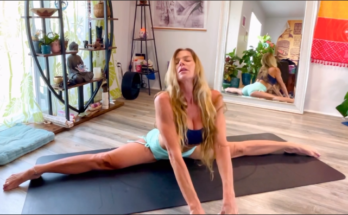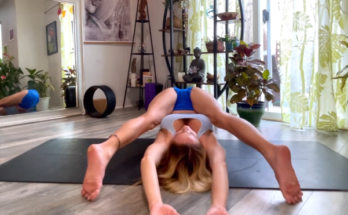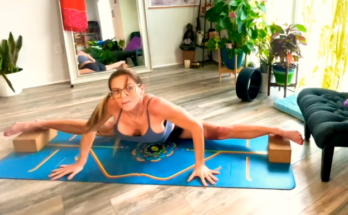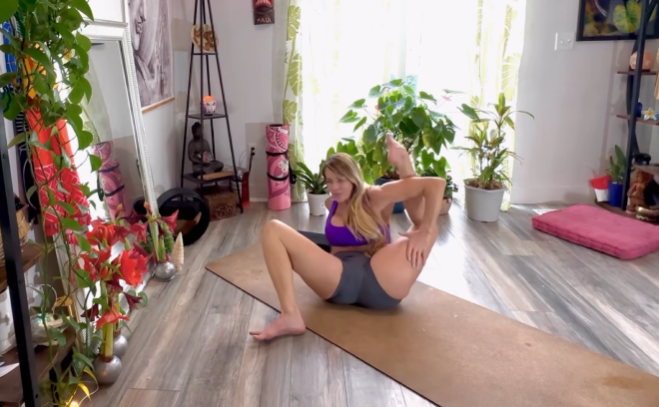
Advanced flexibility and contortion training is not just about bending your body into impressive shapes. It is about understanding your limits, respecting your anatomy, and building strength alongside flexibility. When done mindfully, this type of training becomes a deep conversation between you and your body—one that requires patience, awareness, and consistency.
Before beginning any advanced session, it’s important to check in with yourself. How does your body feel today? Contortion training should never start cold or rushed. Your nervous system needs to feel safe before your muscles will allow deep range of motion. That’s why preparation is just as important as the poses themselves.
Start with a full-body warm-up that gradually raises your heart rate. Gentle cardio movements like light bouncing, walking, or dynamic arm swings help increase blood flow. Your goal is to feel warm, slightly sweaty, and alert—never exhausted. Warm muscles stretch more safely and respond better to deeper work.
Once your body is warm, begin mobilizing the joints. Move through controlled circles at the neck, shoulders, wrists, hips, knees, and ankles. These circular motions lubricate the joints and prepare them for the demands of contortion. Move slowly and deliberately, paying attention to how each joint responds.
Now shift your focus to the spine, the central pillar of flexibility work. Start with cat–cow movements, flowing slowly with your breath. Inhale to open the chest and arch the back, exhale to round and engage the core. This awakens spinal articulation and builds awareness of each vertebra.
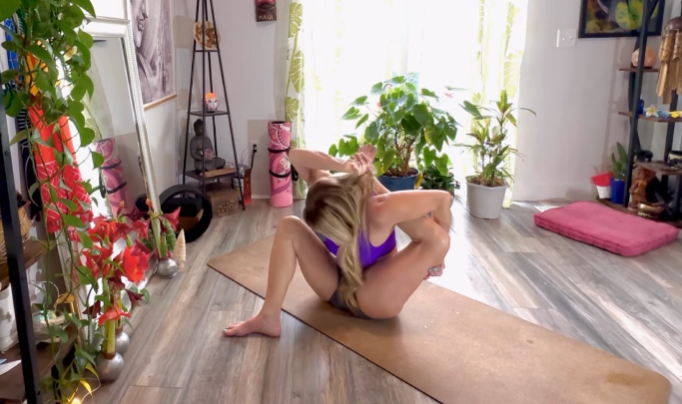
From there, move into deeper spinal waves and controlled backbends. A low cobra or sphinx pose is a good starting point. Press through your hands or forearms and lift the chest without collapsing into the lower back. Think of lengthening the spine rather than forcing a bend. Advanced flexibility is about distributing the curve evenly, not dumping it into one area.
As you progress, you can deepen into higher cobra or upward-facing dog, always maintaining active engagement through the legs and glutes to protect the lower back. Breath is essential here. If your breathing becomes shallow or strained, ease back. Your breath is a built-in safety system.
Next, address hip flexibility, a cornerstone of contortion training. Open hips allow the spine to move more freely and reduce strain on the lower back. Begin with deep lunges, allowing the hips to sink slowly while maintaining stability through the core. Actively engage your back leg and imagine drawing your inner thighs toward each other for support.
From lunges, progress into hip flexor stretches and split variations. Use props such as blocks or cushions under your hips to maintain alignment. Never force yourself into the floor. Instead, focus on relaxing into the stretch while keeping the muscles active. This balance of strength and softness is key to sustainable flexibility.
Now move into hamstring work. Advanced contortion requires long, strong hamstrings, not passive overstretching. Start with dynamic forward folds, lengthening the spine before deepening the stretch. Incorporate active leg lifts while in a stretch to build strength at end range.
Pancake stretches are especially useful for advanced training. Sit with legs wide and hinge forward from the hips, keeping the spine long. Use your hands to gently guide yourself forward while maintaining active engagement through the legs. Over time, this builds both flexibility and control.
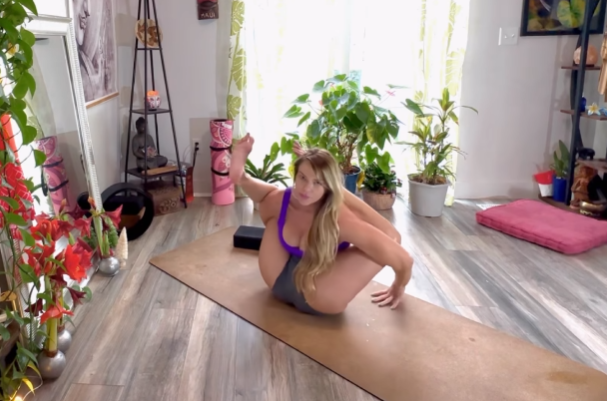
Shoulder and chest opening is another essential component. Tight shoulders limit backbends and can create unsafe compression in the spine. Begin with shoulder rolls and arm swings, then progress into chest-opening stretches like puppy pose or wall-assisted shoulder openers. Focus on keeping the ribs from flaring excessively by engaging the core.
As you move deeper, incorporate bridge preparation. Start with supported bridges using blocks under the sacrum. This allows your spine to open gradually without bearing full weight. Focus on pressing evenly through the feet and engaging the glutes and inner thighs.
When ready, move into full bridge pose. Place your hands and feet firmly, push through the arms, and lift the chest upward rather than backward. Think of your spine rising in a smooth arc. Keep your neck long and avoid collapsing into the shoulders. Advanced contortion is not about dropping into the deepest position as quickly as possible—it’s about control and awareness.
From here, more advanced variations may include lifting one leg, shifting weight, or walking the hands and feet closer together. These movements require not only flexibility but significant strength and coordination. Always move slowly and with intention.
Throughout your practice, remember to balance deep backbends with forward folds and neutral poses. This helps maintain spinal health and prevents overstimulation of the nervous system. After intense opening, grounding poses like child’s pose or gentle twists help integrate the work.
Breathwork plays a crucial role in advanced training. Slow, controlled breathing helps the body release tension and increases tolerance to stretch. Exhale into resistance rather than holding your breath. If you find yourself clenching or bracing, it’s a sign to ease back.
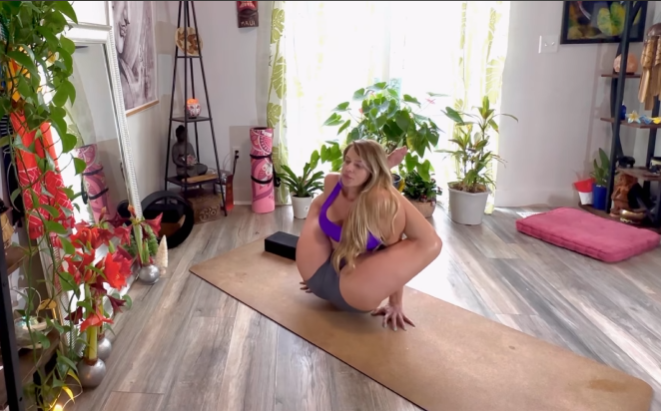
Equally important is recovery. Advanced flexibility training places high demands on the body. Adequate rest, hydration, and nutrition support tissue repair and long-term progress. Stretching intensely every day without rest can lead to overstretching and injury.
Mental focus is another often-overlooked aspect. Contortion training requires presence. Pushing through pain or ignoring warning signals disconnects you from your body. Instead, cultivate curiosity. Notice subtle sensations, shifts in balance, and emotional responses that arise during deep stretching.
Progress in advanced flexibility is rarely linear. Some days you’ll feel open and light, other days tight and restricted. Both are part of the process. Consistency matters more than intensity. Showing up regularly with respect for your body builds lasting results.
End your session with a calming cooldown. Gentle spinal twists, slow forward folds, and relaxed breathing allow your nervous system to settle. Lying in stillness for a few minutes helps your body absorb the benefits of the practice.
Advanced flexibility and contortion training is a long-term journey. It teaches patience, humility, and resilience. The shapes you create are impressive, but the true achievement lies in the relationship you build with your body.
Train with awareness. Move with intention. And remember—your body is not something to conquer, but something to understand and care for deeply as you continue to grow in your practice.