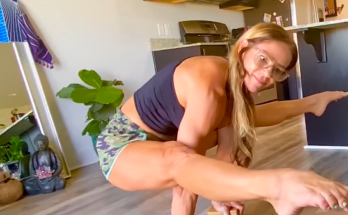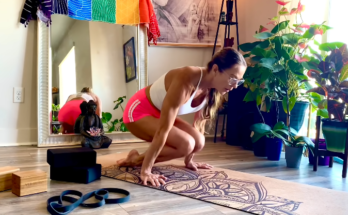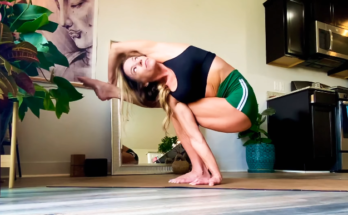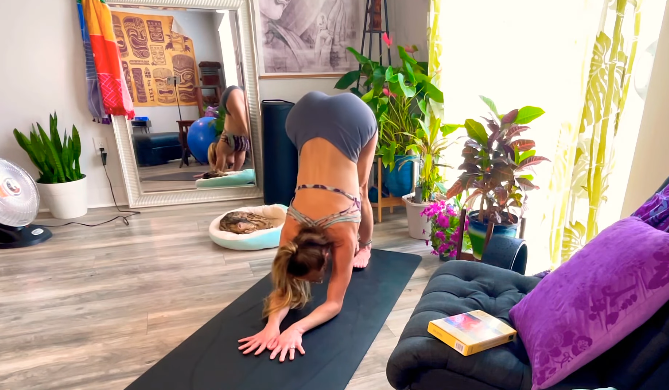
Balance and flexibility are two essential elements of physical fitness that help the body move efficiently and gracefully. Whether you are an athlete, a yoga enthusiast, or someone simply looking to improve your overall health, developing these abilities can transform the way your body feels and performs. One powerful practice that combines strength, balance, and flexibility is the Pincha Forearm practice, often used in yoga, gymnastics, and calisthenics training.
Pincha, commonly known as the forearm stand, is an advanced posture that challenges both the body and the mind. It requires strong shoulders, a stable core, flexible hamstrings, and excellent body awareness. While it may look difficult at first, consistent practice and proper preparation can help anyone gradually build the strength and balance needed to perform it safely.
Understanding the Pincha Forearm Stand
The forearm stand is a pose where the body is inverted while the forearms and elbows support the body weight on the floor. The legs extend upward toward the ceiling, forming a straight line from shoulders to toes. In yoga, this pose is often practiced to improve stability, concentration, and upper-body strength.
Unlike a traditional handstand, the forearm stand places more support on the forearms, making it slightly more stable for beginners learning inversion techniques. However, it still requires careful control and alignment.
The main muscles used during this pose include the shoulders, arms, core muscles, and back. These muscles work together to maintain balance and keep the body lifted.
The Importance of Warm-Up
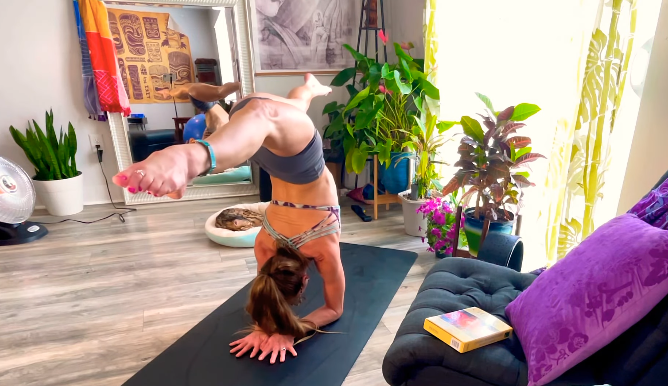
Before attempting any inversion exercise, warming up the body is essential. Proper stretching prepares the muscles and joints, reduces the risk of injury, and improves flexibility.
A typical warm-up routine for forearm practice may include:
- Shoulder rolls and arm circles
- Gentle neck stretches
- Wrist and forearm mobility exercises
- Cat-cow spinal movement
- Downward-facing dog pose
These movements increase blood flow to the muscles and gradually prepare the body for more demanding positions.
Building Shoulder Strength
Strong shoulders are the foundation of the forearm stand. Without sufficient strength in this area, maintaining balance can become difficult and unsafe.
Exercises that help develop shoulder strength include:
- Forearm plank holds
- Dolphin pose in yoga
- Wall-supported forearm stands
- Shoulder taps
- Pike push-ups
These exercises train the shoulders to support body weight while maintaining stability. Over time, they help build the endurance needed for longer holds in the forearm stand.
Developing Core Stability
Core strength plays a crucial role in maintaining balance during inversions. The core muscles stabilize the spine and help keep the body aligned while upside down.
Core training can include exercises such as:
- Hollow body holds
- Leg raises
- Plank variations
- Slow controlled mountain climbers
- Boat pose in yoga
A strong core allows the body to stay tight and controlled rather than collapsing or arching excessively.
Flexibility and Mobility
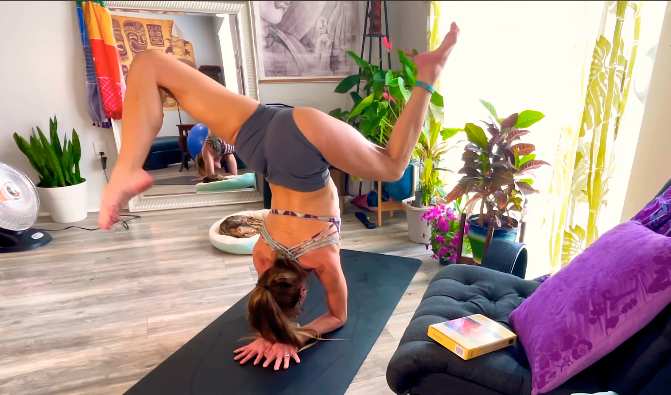
Flexibility is another key component of successful inversion practice. Tight hamstrings, shoulders, or hip flexors can limit the body’s ability to move smoothly into the forearm stand.
Stretching exercises that improve flexibility include:
- Hamstring stretches
- Shoulder openers
- Chest stretches
- Backbends
- Hip mobility drills
Regular stretching gradually increases range of motion and allows the body to move more comfortably into challenging poses.
Learning Balance Step by Step
For beginners, practicing the forearm stand near a wall can be extremely helpful. The wall provides support while you learn proper alignment and build confidence in the inverted position.
Start by placing your forearms on the ground with elbows shoulder-width apart. Interlace your fingers or keep your palms flat on the mat for stability. Lift your hips and walk your feet closer toward your elbows, similar to the position used in dolphin pose.
From there, gently kick one leg upward while keeping the other leg bent for balance. The wall behind you can catch your feet if you tip too far.
Over time, you can practice lifting both legs and maintaining balance without relying on the wall.
Mental Focus and Breath Control
Yoga and gymnastics training are not only physical practices but also mental ones. Maintaining balance while upside down requires concentration and calm breathing.
When practicing forearm stands, focus on slow and steady breathing. Deep breaths help the body stay relaxed and prevent unnecessary tension.
Mental focus also helps improve body awareness. By paying attention to how your muscles engage and how your body moves, you can make small adjustments that improve balance.
Benefits of Forearm Practice
Practicing forearm stands regularly provides several physical and mental benefits.
First, it strengthens the upper body, particularly the shoulders, arms, and back muscles. This increased strength supports better posture and improves overall athletic performance.
Second, it enhances balance and coordination. Inversion practice teaches the body to control movement in new ways, improving stability and awareness.
Third, it improves flexibility and mobility, especially in the shoulders and spine.
Finally, it boosts confidence. Achieving a challenging pose like the forearm stand often requires patience and persistence. When practitioners finally succeed, it can feel incredibly rewarding.
Integrating Gymnastics and Calisthenics
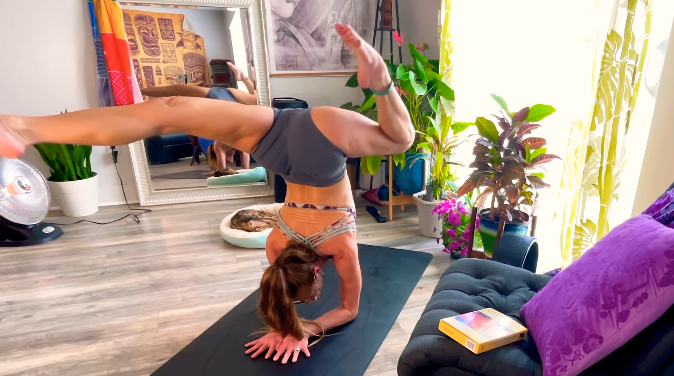
Many athletes combine yoga forearm practice with elements of gymnastics and calisthenics training. These disciplines emphasize bodyweight strength, control, and dynamic movement.
Exercises such as handstands, planches, and lever holds complement forearm stand training by strengthening similar muscle groups. Together, they create a balanced workout that builds both power and flexibility.
Stretching and recovery are also important parts of this training process. After intense workouts, gentle stretches help relax the muscles and prevent stiffness.
Consistency Is Key
Like any fitness practice, improvement takes time and dedication. Beginners may struggle at first, and that is completely normal. The body needs time to adapt to new movements and build the necessary strength.
Regular practice—combined with proper rest and stretching—gradually leads to progress.
Some days the body may feel strong and balanced, while other days it may feel challenging. The key is to remain patient and consistent.
A Journey of Strength and Balance
Yoga, gymnastics, and calisthenics all share a common goal: helping the body move with strength, control, and grace. The Pincha forearm practice represents a beautiful combination of these elements.
It teaches the body to balance upside down while remaining calm and steady.
More importantly, it reminds us that growth often happens step by step. Each small improvement—holding the pose a little longer, balancing more steadily, or moving more confidently—brings us closer to mastering the practice.
With dedication, patience, and mindful training, anyone can develop the balance and flexibility needed to explore this powerful and rewarding movement.