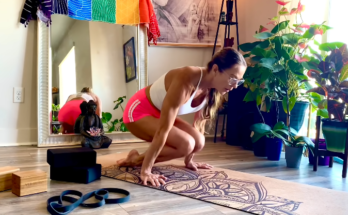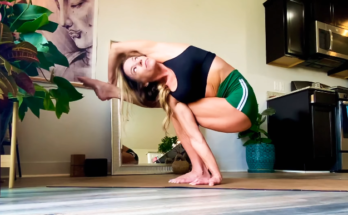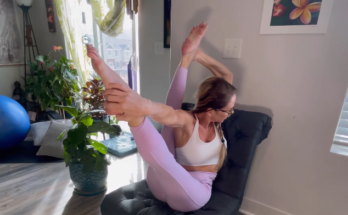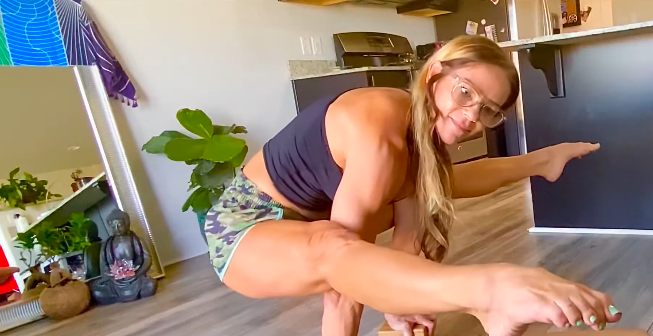
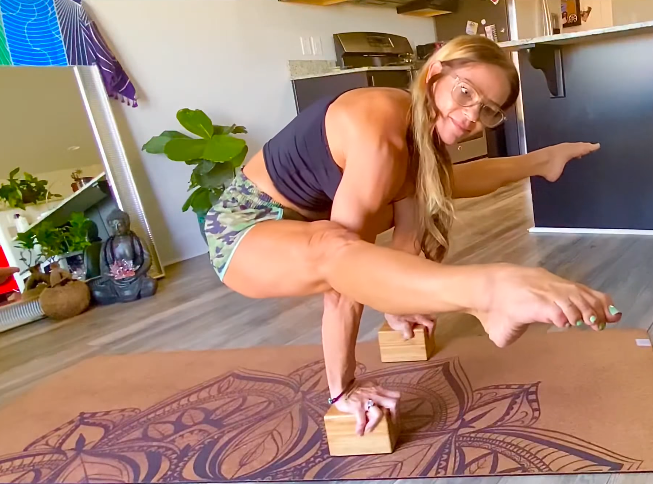
Arm inversions and balancing exercises are some of the most exciting and rewarding movements in yoga, gymnastics, and calisthenics training. These practices challenge the body in unique ways, requiring strength, balance, flexibility, and concentration. Among the many techniques used to develop these skills, balancing on yoga blocks while performing arm inversions is a powerful training method that helps practitioners improve stability and body awareness.
Although these movements may look advanced, they can be learned gradually with consistent practice and proper technique. Using blocks can actually make certain positions more accessible while also adding new challenges that strengthen the body.
Understanding Arm Inversions
Arm inversions are positions where the body is lifted upside down and supported primarily by the arms. Instead of standing on the feet, the practitioner relies on the strength of the shoulders, arms, and core muscles to maintain balance.
Common examples of arm inversion poses include:
- Handstands
- Forearm stands
- Crow pose
- Side crow
- Peacock pose
Inversions change the body’s relationship with gravity, forcing the muscles to work differently than they do during normal standing or walking. Because of this, these exercises improve both strength and coordination.
Why Use Yoga Blocks?
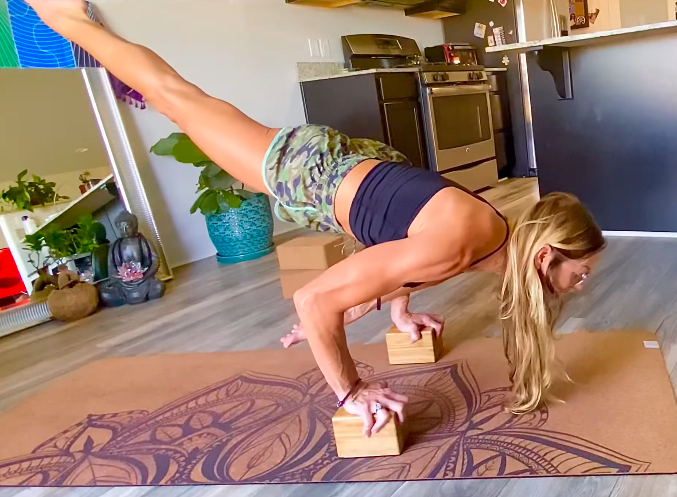
Yoga blocks are simple rectangular tools usually made from foam, cork, or wood. While they are often used to assist beginners with flexibility poses, they also play an important role in advanced balance training.
When used in arm inversions, blocks provide several benefits:
1. Increased height
Blocks elevate the hands from the floor, giving practitioners more room to move their legs and hips into position.
2. Improved wrist comfort
Some people experience wrist strain when placing their hands directly on the floor. Blocks allow the wrists to maintain a more neutral angle.
3. Strength challenge
Balancing on blocks requires greater stability because the surface area is smaller than the floor. This forces the body to engage more muscles to maintain balance.
Developing Upper Body Strength
Arm inversions rely heavily on upper body strength. The shoulders, triceps, chest, and back muscles must work together to support the body’s weight.
Exercises that help build the necessary strength include:
- Plank holds
- Push-ups
- Dolphin pose
- Pike push-ups
- Wall-supported handstands
These exercises strengthen the muscles used in inversions and help prepare the body for balancing on the hands.
The Importance of Core Engagement
While the arms support the body, the core muscles are responsible for maintaining alignment and control. Without strong core engagement, the body may arch or collapse during an inversion.
Core muscles help keep the body in a straight line and allow the practitioner to make small adjustments to maintain balance.
Some effective core exercises include:
- Hollow body holds
- Leg raises
- Boat pose
- Slow mountain climbers
Training these muscles improves stability and helps prevent unnecessary strain on the shoulders.
Practicing Basic Balance on Blocks
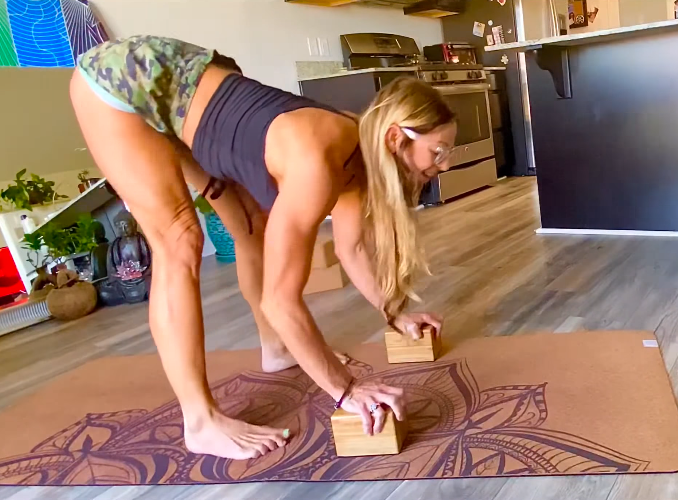
Before attempting full inversions, it is helpful to practice simple balancing exercises on blocks.
One beginner-friendly exercise is a supported crow pose on blocks.
To practice:
- Place two blocks shoulder-width apart on the floor.
- Place your hands firmly on top of the blocks.
- Bend your knees and lean your weight forward.
- Rest your knees on your upper arms.
- Slowly lift one foot off the floor, then the other.
Because the blocks elevate the hands, it becomes easier to shift the body forward and lift the feet.
Practicing this position helps develop confidence and balance.
Handstands on Blocks
Handstands are one of the most popular arm inversion exercises. Performing them on blocks adds an extra layer of challenge.
To begin practicing handstands on blocks:
- Place two sturdy blocks on the floor.
- Position your hands firmly on the blocks.
- Walk your feet closer toward your hands.
- Gently kick one leg upward toward the ceiling.
- Bring the other leg up to meet it.
Beginners often practice near a wall for safety. The wall provides support while the practitioner learns proper alignment.
Over time, the goal is to balance without assistance.
Shoulder Stability
The shoulders play a crucial role in arm inversion practice. Strong and stable shoulders protect the joints and allow the body to hold positions safely.
Shoulder stability can be improved through exercises such as:
- Shoulder taps in plank position
- Dolphin push-ups
- Wall-supported handstand holds
- Resistance band shoulder work
These exercises strengthen the muscles surrounding the shoulder joint and improve endurance during inversions.
Focus and Breathing
Balancing upside down requires more than just physical strength. Mental focus and controlled breathing are equally important.
Many beginners hold their breath when attempting difficult poses. However, this creates tension in the body and makes balancing harder.
Instead, practitioners should focus on slow, steady breathing. This helps relax the muscles and maintain better control.
Concentration is also essential. Small adjustments in the fingers, wrists, and shoulders help maintain balance while inverted.
Safety and Progression
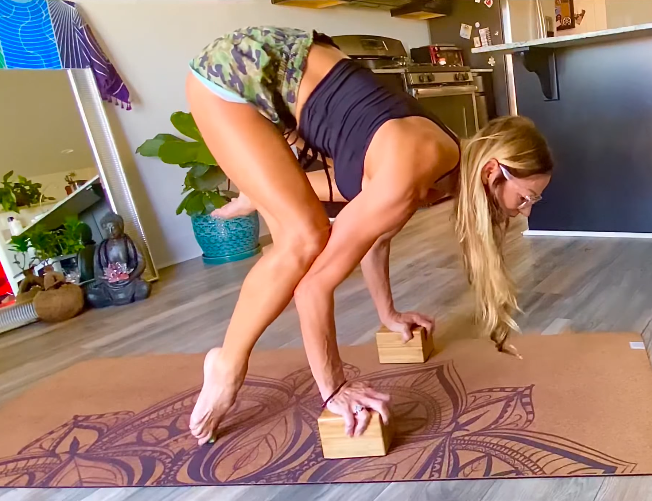
Because arm inversions place significant stress on the shoulders and wrists, it is important to practice safely.
Some helpful safety tips include:
- Warm up thoroughly before attempting inversions
- Strengthen the wrists and shoulders gradually
- Practice near a wall or with a spotter when learning
- Avoid forcing the body into difficult positions
- Rest when feeling fatigued
Progression should happen slowly. Mastering basic balances first makes advanced movements much safer and more effective.
Benefits of Arm Inversion Training
Regular practice of arm inversions and block balancing provides numerous benefits.
Improved strength:
These exercises strengthen the upper body, core, and stabilizing muscles.
Better balance and coordination:
Inversions challenge the body to maintain control in unfamiliar positions.
Increased confidence:
Successfully balancing upside down can be incredibly empowering.
Enhanced body awareness:
Practitioners learn to control small muscle movements that influence balance and posture.
A Journey of Practice
Arm inversions and balancing on blocks represent a beautiful combination of strength, balance, and determination. While these movements may seem difficult at first, they become more achievable with consistent training.
Each attempt builds strength and confidence. Even small improvements—holding the position for a few seconds longer or lifting the legs a little higher—are signs of progress.
With patience, dedication, and mindful practice, balancing on blocks and performing arm inversions becomes not just a physical exercise, but a rewarding journey of personal growth and body mastery.