Developing a strong core is one of the most important aspects of physical fitness. The core muscles support nearly every movement in the body, from standing and walking to lifting, bending, and balancing. For athletes, yoga practitioners, gymnasts, and calisthenics enthusiasts, core strength is essential for stability, power, and control.
One effective way to build core strength is through V lifts and L lifts, especially when practiced with training tools such as yoga straps and blocks. These simple pieces of equipment can make exercises more accessible while also helping improve form, flexibility, and muscle engagement.
When combined into a consistent core conditioning drill, these movements can significantly strengthen the abdominal muscles, hip flexors, and lower back while also improving balance and body awareness.
Understanding Core Strength
The core is more than just the abdominal muscles. It includes several muscle groups that work together to stabilize the body. These muscles include:
- Rectus abdominis (front abdominal muscles)
- Obliques (side abdominal muscles)
- Transverse abdominis (deep core stabilizer)
- Hip flexors
- Lower back muscles
A strong core helps maintain proper posture, reduces the risk of injury, and allows the body to perform complex movements efficiently.
Exercises such as V lifts and L lifts are particularly effective because they target multiple core muscles at the same time.
What Are L Lifts?
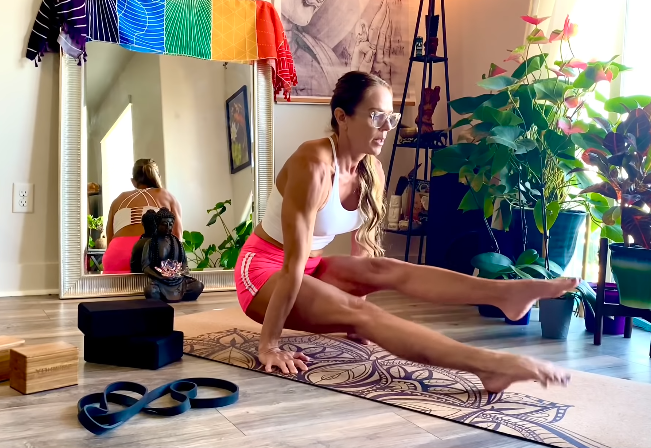
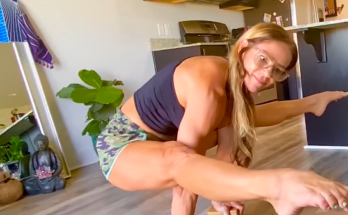
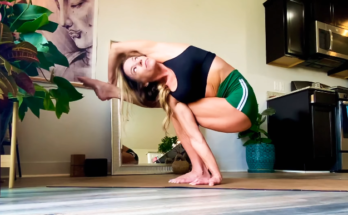
L lifts are a foundational core exercise often used in yoga, gymnastics, and calisthenics. In this position, the practitioner supports their body with their hands while lifting the legs straight out in front, forming an L shape between the torso and the legs.
This exercise requires strong abdominal engagement and powerful hip flexors. The arms and shoulders also play an important role in supporting the body weight.
When done correctly, L lifts improve:
- Core strength
- Arm and shoulder stability
- Hip flexor endurance
- Balance and body control
However, beginners may find it challenging to lift both legs off the ground immediately. This is where straps and blocks become useful.
Using Yoga Blocks for L Lifts
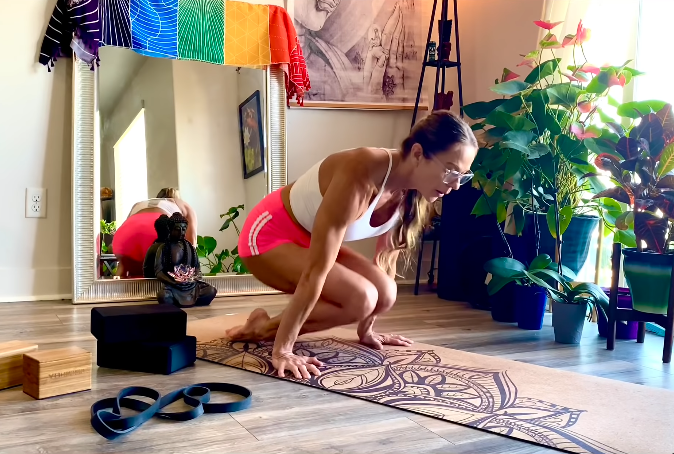
Yoga blocks help elevate the hands during L lift practice. By placing the hands on blocks instead of the floor, the practitioner creates more space to lift the legs.
This extra height makes the exercise easier for beginners while still strengthening the core muscles.
To practice L lifts with blocks:
- Place two yoga blocks beside your hips.
- Sit on the floor with your legs extended forward.
- Place your hands firmly on the blocks.
- Press down through the arms and engage the core.
- Lift both legs off the ground while keeping them straight.
Even lifting the legs a few centimeters off the ground is an excellent starting point. Over time, strength improves and the legs can be lifted higher and held longer.
What Are V Lifts?
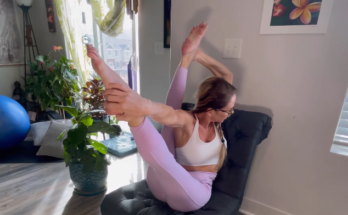
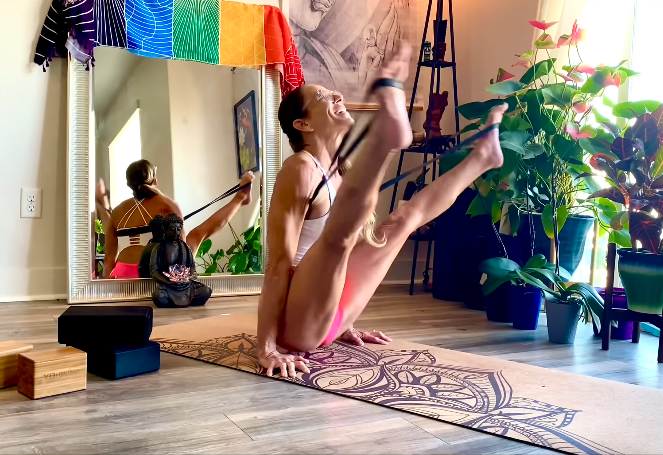
V lifts are a more advanced variation of core training. In this movement, the legs lift upward toward the torso, forming a V shape with the body.
The practitioner must engage the abdominal muscles deeply to maintain balance and control.
V lifts challenge:
- Core stability
- Balance
- Hip flexor strength
- Coordination
Because the legs lift higher in this exercise, the core must work harder to stabilize the body.
Using Straps for Flexibility and Control
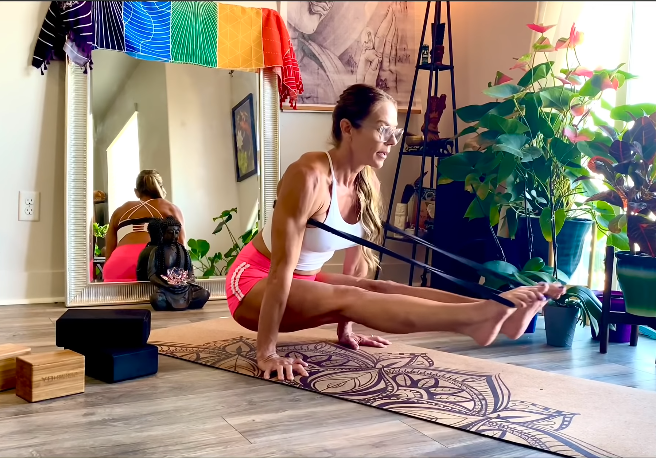
Yoga straps can be helpful tools when practicing V lifts. They assist in maintaining proper alignment and allow practitioners with limited flexibility to perform the movement more comfortably.
For example, a strap can be placed around the feet while holding the ends with the hands. This helps keep the legs straight and allows the practitioner to control the movement without rounding the back.
Straps also encourage proper posture by supporting the spine during the lift.
Core Conditioning Drill Sequence
A simple core conditioning routine combining these movements might include the following steps:
1. Seated L Lift Hold
Begin by sitting with your hands on blocks and lifting the legs into the L position. Hold for 10–15 seconds while keeping the core engaged.
2. Controlled Leg Raises
Lower the legs slowly and lift them again in a controlled motion. Repeat several times to build strength and endurance.
3. V Lift Practice
Lean back slightly while lifting the legs upward into a V shape. Use a strap if needed to maintain leg alignment.
4. Core Hold
Hold the V position for a few seconds while breathing steadily.
5. Rest and Repeat
After completing the sequence, rest briefly and repeat the drill for several rounds.
This type of training develops both strength and muscular endurance.
The Importance of Proper Form
Maintaining correct form is essential during core exercises. Poor alignment can reduce the effectiveness of the movement and increase the risk of injury.
Key form tips include:
- Keep the chest lifted rather than collapsing forward
- Engage the abdominal muscles throughout the movement
- Maintain straight legs when possible
- Press firmly through the arms during L lifts
- Breathe steadily instead of holding the breath
Practicing slowly and mindfully helps ensure the muscles are working correctly.
Benefits of Core Conditioning
Regular core training with exercises like V lifts and L lifts offers many benefits.
First, it improves overall stability. A strong core supports nearly every physical activity, from sports performance to everyday movement.
Second, it enhances posture. Strengthening the muscles around the spine helps maintain a healthy alignment of the body.
Third, it builds functional strength. Many athletic movements require strong abdominal and hip muscles.
Finally, core conditioning improves body awareness. Practitioners learn how to control their movements more precisely, which enhances balance and coordination.
Integrating the Drill into Training
These core drills can be incorporated into various types of training, including:
- Yoga practice
- Gymnastics conditioning
- Calisthenics workouts
- General fitness routines
Practicing two or three times per week can gradually build strength and endurance.
As the body becomes stronger, practitioners may progress to more advanced variations such as longer holds, higher leg lifts, or dynamic movements.
Consistency Leads to Progress
Like any form of physical training, core conditioning requires patience and consistency. At first, lifting the legs may feel difficult or unstable.
However, with regular practice, the muscles adapt and become stronger.
Small improvements—such as lifting the legs a little higher or holding the position a little longer—are signs of progress.
Over time, these improvements lead to greater strength, better control, and increased confidence in movement.
A Strong Core, A Strong Foundation
V lifts and L lifts with straps and blocks are powerful exercises that develop deep core strength and stability. By combining these movements into a structured conditioning drill, practitioners can build the foundation needed for more advanced yoga, gymnastics, and athletic performance.
With dedication, proper technique, and mindful practice, these simple but challenging exercises can transform the way the body moves, balances, and performs.