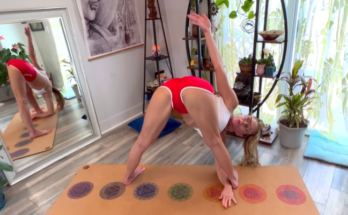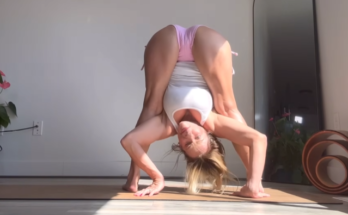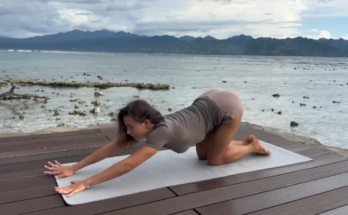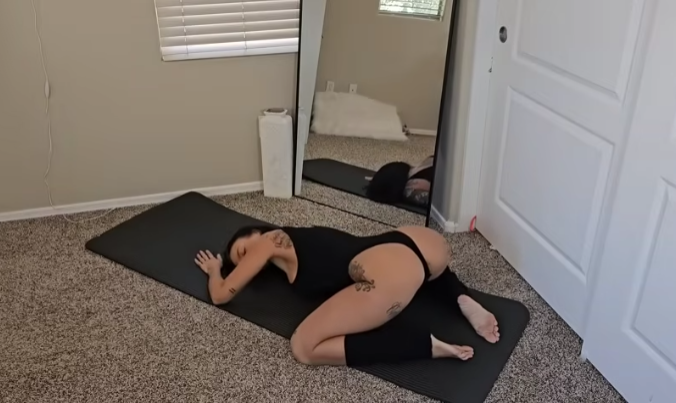
In a world that rarely slows down, finding moments of true relaxation can feel like a luxury. Long hours at work, constant screen time, and daily responsibilities often leave the body tense and the mind restless. A Home Stretching Routine to Help You Relax is a simple yet powerful way to counteract that tension, offering a calm space where you can reconnect with your body, release built-up stress, and restore a sense of ease—without needing special equipment or a large amount of time.
This routine is designed to be practiced in the comfort of your own home, where you feel safe and unhurried. Whether it’s early in the morning, during a quiet afternoon break, or in the evening before bed, stretching at home allows you to move at your own pace and listen closely to what your body needs. The goal isn’t to push flexibility or achieve perfect form, but to create softness, length, and relaxation throughout the body.
The practice begins with creating a calming environment. Dimming the lights, opening a window for fresh air, or playing gentle music can help signal to your nervous system that it’s time to unwind. Once you settle onto your mat or a soft surface, the first focus is on breath. Slow, deep breathing helps shift the body out of “fight or flight” mode and into a state of rest and recovery. Each inhale brings awareness; each exhale encourages letting go.
Starting in a comfortable seated or lying position, gentle neck stretches help release one of the most common areas of tension. Slowly tilting the head from side to side and making small circles can ease stiffness caused by stress or prolonged screen use. These subtle movements may feel minimal, but they often bring immediate relief, reminding you how much tension the body can carry without you noticing.
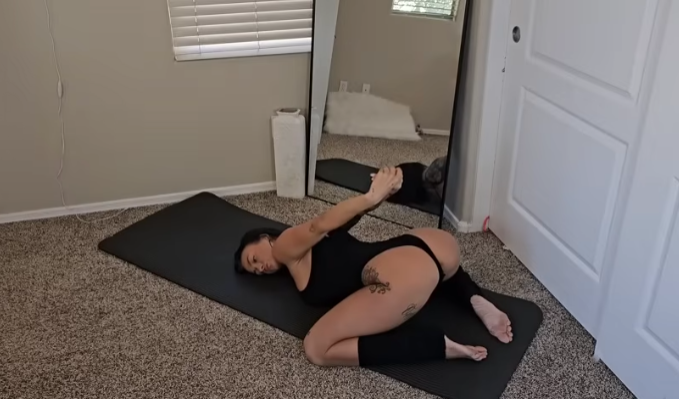
From there, the routine gradually moves into shoulder and upper back stretches. Rolling the shoulders, interlacing the fingers, and gently opening the chest counteract the forward-rounded posture many people develop throughout the day. These movements encourage better posture and create space for deeper breathing, which naturally enhances relaxation.
As the body warms up, attention shifts to the spine. Gentle spinal movements, such as seated twists or slow forward folds, help improve circulation and release tight muscles along the back. These stretches are especially soothing because the spine plays a key role in both physical support and nervous system function. Moving it mindfully can create a sense of overall balance and calm.
The hips and lower back are next, as they often hold stress related to long periods of sitting or emotional tension. Simple stretches like knee-to-chest poses, reclined figure-four stretches, or gentle hip openers encourage circulation and ease stiffness. Rather than forcing depth, the routine emphasizes breathing into the sensation, allowing muscles to soften gradually.
One of the most relaxing elements of a home stretching routine is the ability to hold stretches longer. Without the pressure of a class or timer, you can remain in poses that feel especially beneficial. Longer holds allow the muscles and connective tissues to release more deeply, while steady breathing keeps the mind calm and focused.
As the routine continues, attention moves to the legs. Gentle hamstring stretches, calf stretches, and ankle mobility exercises help relieve fatigue from standing or walking throughout the day. These stretches also support circulation, which can reduce feelings of heaviness or restlessness in the legs—especially helpful in the evening.
Throughout the practice, mindfulness plays a central role. Noticing sensations without judgment allows you to stay present rather than distracted by thoughts or worries. This awareness transforms stretching into a meditative experience. Even a short session can leave you feeling mentally lighter, as if some of the day’s weight has been lifted.
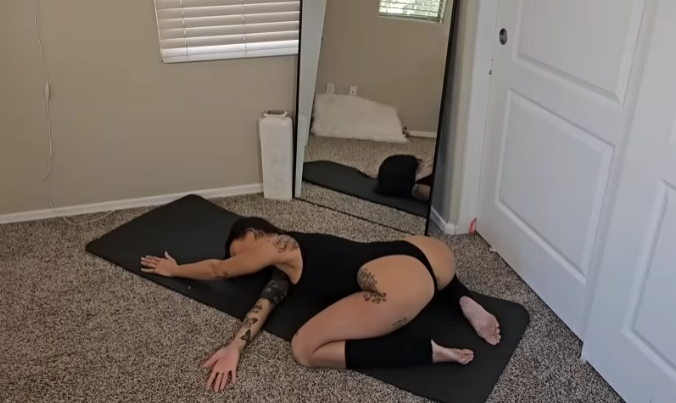
The routine then gradually slows down, transitioning into floor-based stretches that promote deep relaxation. Child’s Pose, gentle side stretches, or supported forward folds invite the body to rest while still receiving the benefits of stretching. These poses naturally calm the nervous system, making them ideal for winding down before sleep.
Breath remains a constant guide throughout the routine. Slow, rhythmic breathing not only supports the physical stretches but also encourages emotional release. Stress often manifests as shallow or held breath; consciously deepening it helps signal safety and relaxation to the body. Over time, this awareness of breath can carry into daily life, helping you manage stress more effectively.
As the session nears its end, a brief period of stillness allows the body to absorb the effects of the practice. Lying comfortably on your back, you can notice areas that feel lighter, warmer, or more relaxed. This moment of rest is just as important as the stretching itself—it’s where the nervous system integrates the benefits of movement and breath.
A home stretching routine like this doesn’t require perfection or consistency to be effective. Even practicing a few times a week can lead to noticeable improvements in flexibility, posture, and overall well-being. More importantly, it creates a ritual of self-care—a reminder that relaxation is not something you have to earn, but something you can choose.
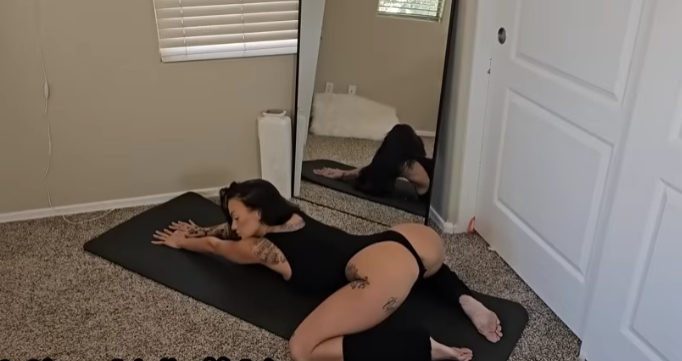
Over time, this simple routine can become a trusted tool for managing stress. When practiced regularly, stretching helps prevent chronic tension from building up, supports joint health, and improves body awareness. It also offers a healthy alternative to passive relaxation, such as scrolling on a phone, by actively engaging both body and mind in a calming way.
In a busy world, taking time to stretch at home is a quiet act of self-respect. It’s a way of saying that your comfort and well-being matter. This Home Stretching Routine to Help You Relax isn’t about doing more—it’s about slowing down, breathing deeply, and allowing your body to release what it no longer needs.
By the end of the practice, the body feels softer and more at ease, and the mind feels clearer and calmer. Whether you’re preparing for a restful night’s sleep or simply taking a pause in the middle of a hectic day, this routine offers a gentle path back to balance. With each stretch and breath, you create space—not just in your muscles, but in your life—for more calm, presence, and relaxation.