Balance and mobilisation are two foundations of a healthy, functional body. Balance helps us stay steady and confident in our movements, while mobilisation keeps our joints flexible, our muscles responsive, and our body free from stiffness. When these two work together, everyday activities—walking, bending, lifting, even sitting—become easier and safer. The good news is that you don’t need complicated equipment or long workouts. With intention and consistency, simple exercises can build both balance and mobility at the same time.
Below are five effective exercise steps designed to improve balance and mobilisation. Each one focuses on controlled movement, body awareness, and gentle strength. Practiced regularly, they can help you feel more stable, flexible, and connected to your body.
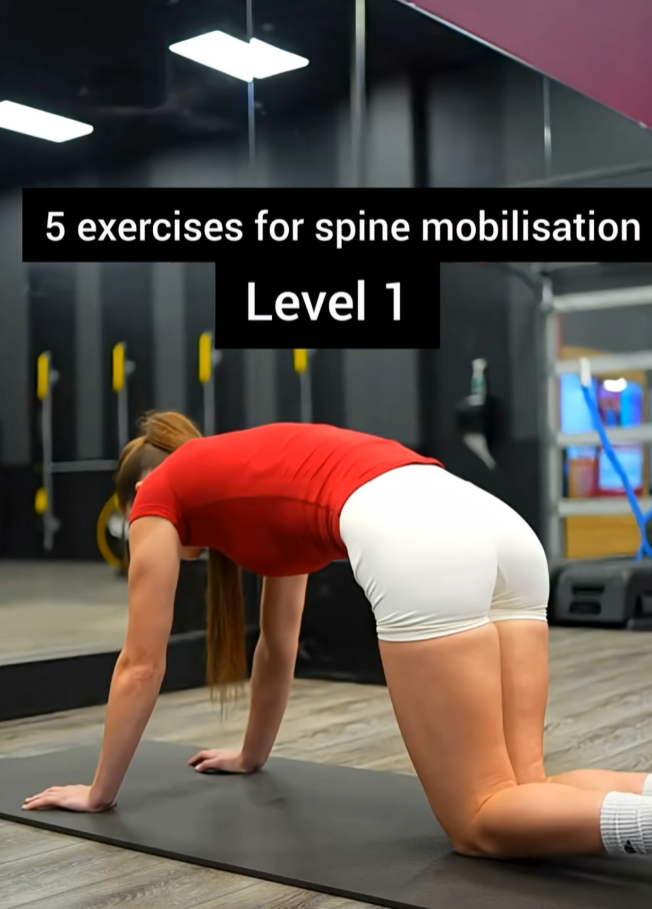
1. Single-Leg Stand with Arm Movement
This is one of the simplest yet most powerful balance exercises. It trains your core, legs, and nervous system while encouraging joint stability.
How to do it:
Stand tall with your feet hip-width apart. Shift your weight slowly onto your right foot and lift your left foot slightly off the ground. Keep your chest open and your gaze forward. Once you feel stable, begin to move your arms—raise them overhead, open them to the sides, or reach forward slowly.
Why it works:
Standing on one leg challenges your balance system. Adding arm movement forces your body to adapt and stabilise through the core and hips. This improves ankle, knee, and hip control while gently mobilising the shoulders.
Tips:
Start near a wall or chair for support. Hold for 20–30 seconds on each leg. Breathe steadily and avoid locking your standing knee.
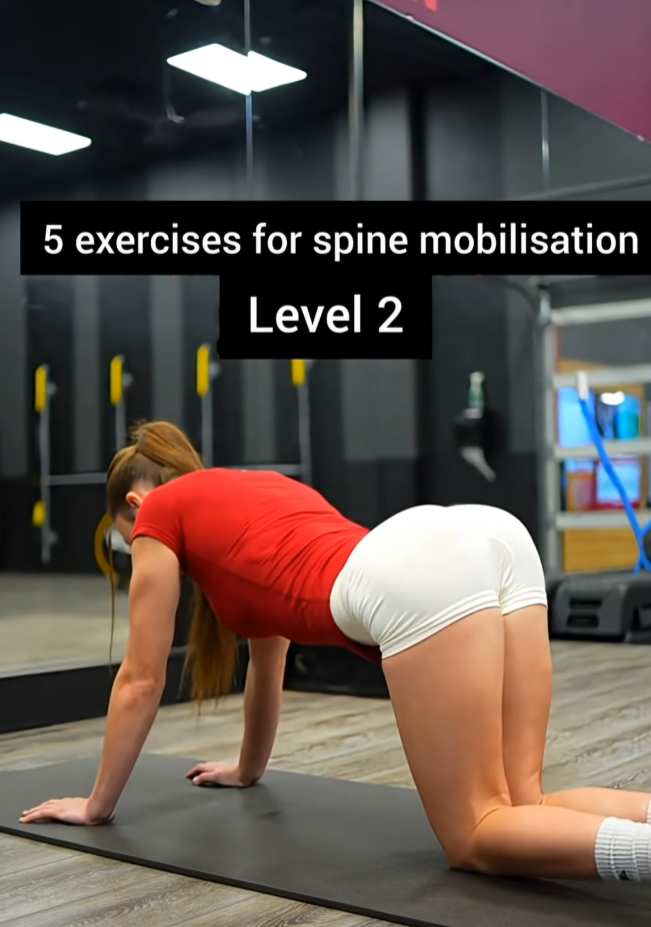
2. Cat–Cow Spine Mobilisation
This exercise improves spinal flexibility and body awareness while supporting balance through controlled movement.
How to do it:
Begin on your hands and knees, with wrists under shoulders and knees under hips. As you inhale, drop your belly toward the floor, lift your chest, and look slightly upward (Cow position). As you exhale, round your spine, tuck your chin, and draw your belly inward (Cat position). Move slowly between the two.
Why it works:
The spine plays a key role in balance. A stiff spine limits your ability to adjust to movement. Cat–Cow gently mobilises the entire spine, improves coordination, and helps your body respond smoothly to changes in position.
Tips:
Move with your breath. Perform 8–12 slow repetitions. Focus on smooth, controlled motion rather than speed.
3. Heel-to-Toe Walk
This exercise looks easy, but it is excellent for improving balance, coordination, and lower-body control.
How to do it:
Stand upright and place one foot directly in front of the other, so the heel of the front foot touches the toes of the back foot. Walk forward slowly in a straight line, keeping your arms relaxed at your sides or slightly out for balance.
Why it works:
Heel-to-toe walking narrows your base of support, forcing your body to stabilise with each step. It improves ankle mobility, leg strength, and coordination, all of which are essential for good balance.
Tips:
Look forward, not down. Take 10–15 slow steps, then turn around and repeat. If needed, practice near a wall for safety.
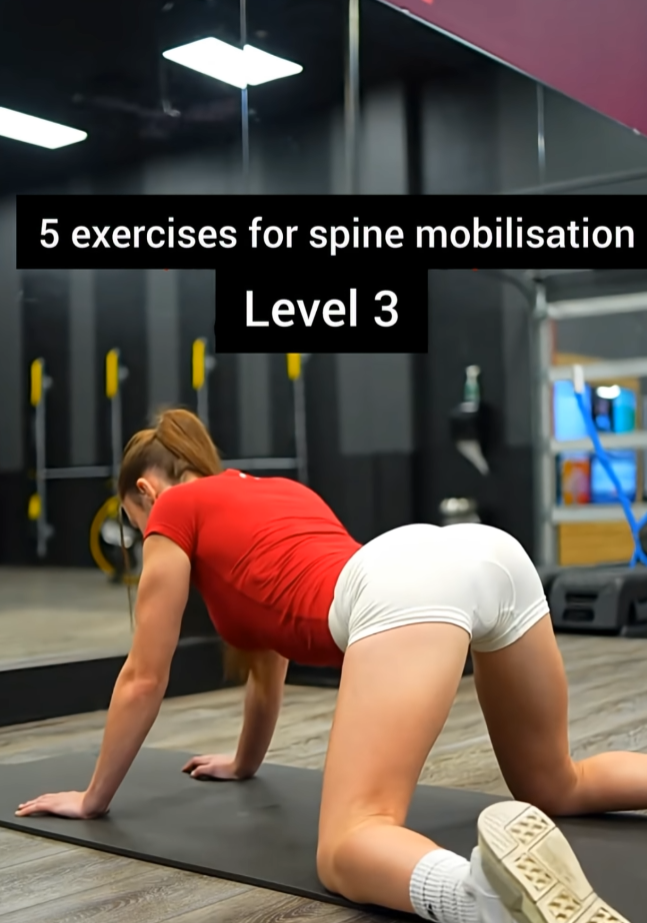
4. Standing Hip Circles
Healthy hips are key to both balance and mobility. This exercise keeps them flexible while training control.
How to do it:
Stand with your feet hip-width apart and hands on your hips. Shift your weight slightly to one leg and begin to draw slow circles with your hips—forward, to the side, back, and around. Keep the movement smooth and controlled.
Why it works:
Hip circles mobilise the hip joints and activate stabilising muscles. They also improve your ability to shift weight, which is crucial for walking, climbing stairs, and maintaining balance.
Tips:
Make the circles slow and intentional. Do 6–8 circles in each direction, then switch legs. Keep your upper body relaxed.
5. Squat to Reach
This functional movement combines lower-body strength, balance, and full-body mobility.
How to do it:
Stand with your feet slightly wider than hip-width apart. Lower into a squat by bending your knees and hips, keeping your chest lifted. As you stand back up, reach your arms overhead or forward. Move slowly and with control.
Why it works:
Squatting trains balance through the legs and core while mobilising the hips, knees, and ankles. The reaching motion adds upper-body mobility and coordination, making this a full-body exercise.
Tips:
Only squat as low as feels comfortable. Keep your heels on the ground. Perform 8–10 repetitions, focusing on smooth transitions.
Bringing It All Together
These five exercise steps work best when done mindfully and consistently. You don’t need to rush or push to exhaustion. Balance and mobilisation improve through awareness, repetition, and patience. Even 10–15 minutes a day can make a noticeable difference.
As you practice, you may begin to notice small changes: standing feels steadier, joints move more freely, and your body responds more confidently to everyday movements. These improvements are not just physical—they also increase confidence and reduce the risk of falls or injury.
Remember, balance is not about never losing stability. It’s about learning how to regain it smoothly. Mobilisation is not about forcing flexibility, but about allowing your body to move naturally. When you train both together, you create a strong, adaptable body that supports you through every stage of life.
With these five exercises as a foundation, you are not just working out—you are teaching your body how to move better, feel better, and live better.