Vinyasa yoga is often described as a moving meditation, a graceful conversation between breath and body. In a 25-minute Vinyasa Yoga Flow designed to deepen your flexibility, every inhale invites length, and every exhale encourages release. This practice is not about forcing the body into shapes, but about creating space—physically, mentally, and emotionally—so flexibility can unfold naturally over time. Whether you are stepping onto your mat after a long day or carving out a mindful pause in a busy schedule, this short yet intentional flow offers a powerful opportunity to reconnect with yourself.
The beauty of Vinyasa lies in its fluidity. Unlike static styles of yoga, Vinyasa links postures together through continuous movement, guided by the rhythm of your breath. This steady flow gently warms the muscles, lubricates the joints, and prepares the body to move deeper into stretches safely. In just 25 minutes, you can experience a full-body practice that energizes, lengthens, and calms you—all at once.
Setting the Intention
Before the movement begins, take a moment to arrive. Stand or sit comfortably on your mat, close your eyes, and notice your breath. There’s no need to change it yet—simply observe. Setting an intention for your practice can transform these 25 minutes into something more meaningful. Perhaps your intention is to move with patience, to soften areas of tightness, or simply to enjoy the sensation of being present in your body.
Flexibility is not only physical. Often, tight muscles are connected to stress, habit, or emotional holding. By approaching your practice with curiosity instead of expectation, you allow both body and mind to open in their own time.
Warming the Body Gently
A safe and effective flexibility practice always begins with a thoughtful warm-up. In this Vinyasa flow, the opening movements are slow and grounding. Gentle neck rolls, shoulder shrugs, and spinal waves help release surface tension and prepare the nervous system for deeper work.
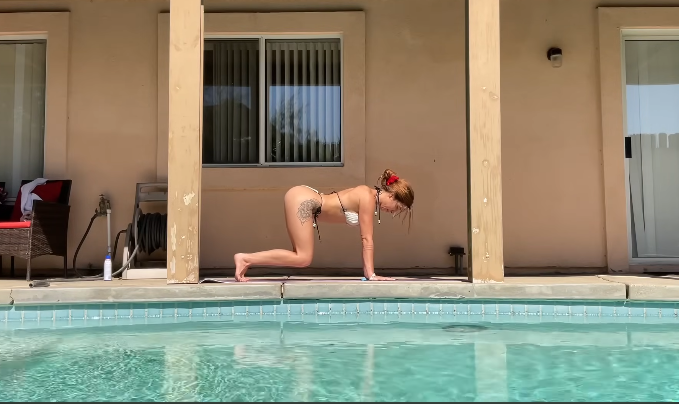
As you move into Cat-Cow poses, synchronized with your breath, the spine begins to awaken. Each inhale encourages extension through the chest and tailbone, while each exhale rounds the back and draws the navel inward. This rhythmic motion not only warms the spine but also builds awareness of how breath and movement support one another.
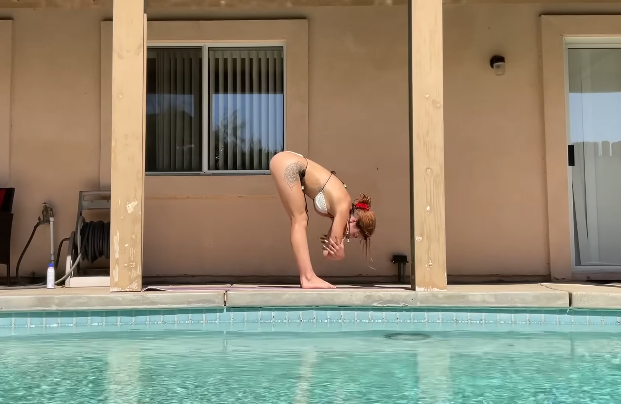
Slow Sun Salutations follow, introducing heat gradually. These familiar sequences—Mountain Pose, Forward Fold, Half Lift, and Plank—are performed with mindful transitions rather than speed. By moving deliberately, you allow muscles like the hamstrings, calves, shoulders, and back to warm evenly, reducing the risk of strain and inviting deeper flexibility later in the practice.
Flowing with Breath
As the practice unfolds, the flow becomes more dynamic while still remaining accessible. Vinyasa yoga encourages you to let the breath lead. Each posture is entered on an inhale or exhale, creating a seamless rhythm that feels almost like a dance.
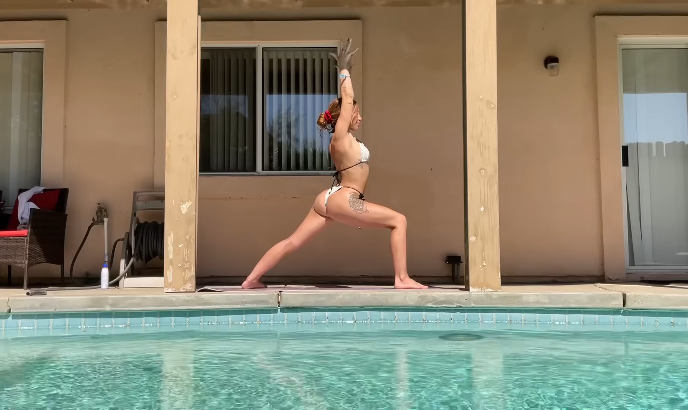
Low lunges open the hips and thighs, areas where many people hold chronic tightness from sitting or daily stress. By bending into the front knee and grounding through the back leg, you create stability while allowing the hip flexors to lengthen. Gentle backbends in these lunges lift the chest and expand the front body, counteracting the rounded posture that often comes from hours at a desk or on a phone.
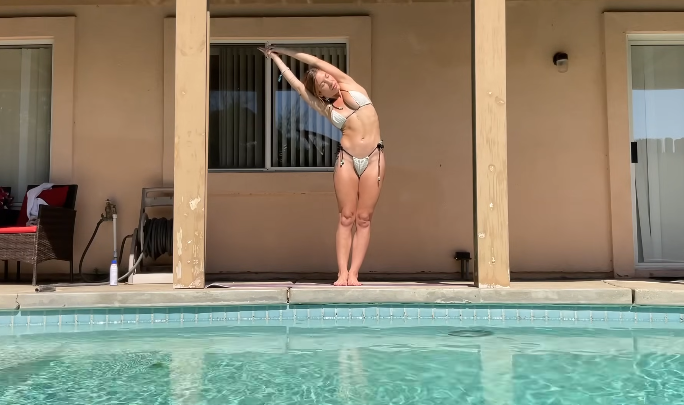
Twists are woven into the flow to encourage spinal mobility and detoxification. As you rotate gently from the waist, you massage the internal organs and release tension stored along the spine. Twisting also improves flexibility by creating space between the vertebrae, making other stretches feel more accessible.
Deepening Flexibility Mindfully
The heart of this 25-minute Vinyasa flow focuses on deepening flexibility in a mindful, sustainable way. Rather than holding intense stretches for long periods, the practice uses repetition and smooth transitions to gradually invite the body to open.
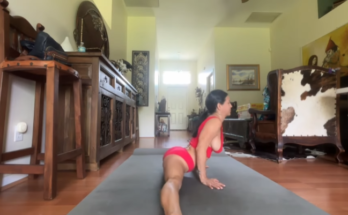
Forward folds target the hamstrings and lower back, two areas that often feel tight and restrictive. By bending the knees slightly and hinging from the hips, you protect the spine while allowing the back of the legs to lengthen naturally. Over time, this gentle approach builds lasting flexibility without discomfort.
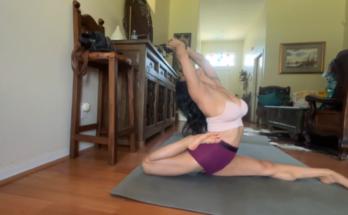
Hip-opening postures such as Pigeon Pose or Figure Four are introduced with care. These poses can feel intense, especially for beginners, so the emphasis remains on listening to your body. Using props or modifying the pose is encouraged. True flexibility comes from relaxation, not resistance, and learning when to ease off is just as important as knowing when to deepen a stretch.
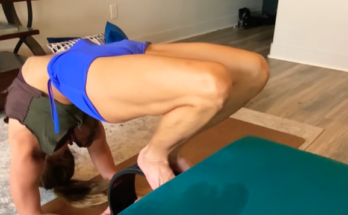
Shoulder and chest openers are also featured to release tension in the upper body. Many people carry stress in their shoulders and neck, which can limit mobility and contribute to discomfort. Flowing through poses like Downward Dog, Dolphin, or gentle arm balances strengthens and stretches the shoulders simultaneously, promoting both flexibility and stability.
The Role of Breath in Flexibility
Throughout the practice, breath remains the central guide. Slow, steady breathing signals the nervous system that it is safe to relax. When the body feels safe, muscles are more willing to release their grip.
Deep, controlled exhales are particularly helpful when entering stretches. As you breathe out, imagine letting go of unnecessary effort or tension. This simple visualization can make a surprising difference in how your body responds. Flexibility is not something you take—it is something you allow.
If at any point the breath becomes strained or shallow, it’s a sign to ease up. Vinyasa yoga honors the idea that every day is different. Some days the body feels open and light; other days it feels tight and heavy. Both experiences are valid, and both are part of the journey.
Finding Strength Within Softness
Although this practice emphasizes flexibility, strength plays a vital supporting role. Vinyasa yoga builds functional strength through poses like Plank, Chaturanga, and Warrior variations. Strong muscles protect the joints and provide the support needed to explore deeper ranges of motion safely.
In this 25-minute flow, strength and flexibility are balanced thoughtfully. Holding poses briefly builds heat and engagement, while flowing transitions prevent stiffness. This balance ensures that the body feels both energized and relaxed by the end of the session.
Cooling Down and Integrating
As the flow begins to slow, the practice transitions into calming stretches and floor-based poses. Gentle seated folds, supine twists, and hip releases allow the heart rate to settle and the muscles to soften. These poses help integrate the benefits of the practice, encouraging flexibility gains to settle into the body.
The final minutes are reserved for stillness. Savasana, or final relaxation, may seem simple, but it is one of the most important parts of the practice. Here, the body absorbs the effects of the movement, and the mind has a chance to rest. Even in a short 25-minute session, taking time for rest enhances both physical recovery and mental clarity.
Carrying the Practice Off the Mat
The benefits of a Vinyasa Yoga Flow extend far beyond flexibility. With regular practice, you may notice improved posture, reduced stress, and a greater sense of ease in daily movements. Flexibility gained on the mat often translates into feeling more adaptable and resilient in life itself.
This 25-minute flow is ideal for busy days, when time feels limited but self-care is still essential. Practiced consistently, even a few times a week, it can support long-term flexibility and overall well-being. Remember, progress in yoga is subtle and cumulative. Each time you show up, you are investing in your body and your peace of mind.
In the end, Vinyasa Yoga Flow is not about how deep you stretch, but about how deeply you connect. In just 25 minutes, you have the opportunity to breathe, move, and soften—creating space not only in your muscles, but in your life.