Yoga is a journey of self-discovery, strength, and flexibility. Among its many transformative practices, backbending stands out as a powerful tool to open the chest, shoulders, and spine, releasing tension while cultivating courage and energy. Yoga Wheel Assisted Backbending Drills is designed to help practitioners explore the depths of their backbends safely, effectively, and mindfully, using the yoga wheel as a supportive prop. This practice is suitable for both intermediate and advanced yogis, but beginners can also benefit under careful guidance.
The yoga wheel, a circular prop typically made from sturdy materials, has revolutionized the way many approach backbending. It allows for deeper stretches without forcing the body, encourages alignment, and provides support for strength building. Using the wheel correctly transforms backbending from a potentially intimidating exercise into an accessible and joyful experience.
The Foundation: Warm-Up
Before engaging in any backbending drills, a thorough warm-up is essential. The spine, shoulders, and hips must be prepared to move safely into deep extension. Start with gentle movements to awaken the body. Cat-Cow stretches, seated side bends, and gentle twists warm the spine and increase mobility. Shoulder rolls and chest openers prepare the upper body for expansion, while hip openers such as low lunges and butterfly stretches release tension stored in the hips.
The warm-up is not only physical but mental. Backbends can be challenging and require trust in the body. Setting an intention, focusing on the breath, and mentally preparing to explore both strength and vulnerability are crucial steps. Visualization can help: imagine the spine elongating, the chest opening, and energy flowing freely through the body.
Introduction to the Yoga Wheel
Once warmed up, it’s time to introduce the yoga wheel. Place the wheel on the floor behind you. Begin with the body in a neutral standing or seated position, allowing the spine to feel long and aligned. The wheel should be positioned to support the mid-back. This initial placement ensures that the wheel can act as a fulcrum for gentle extension, helping the practitioner find the depth of the backbend without strain.
Drill 1: Supported Backbend
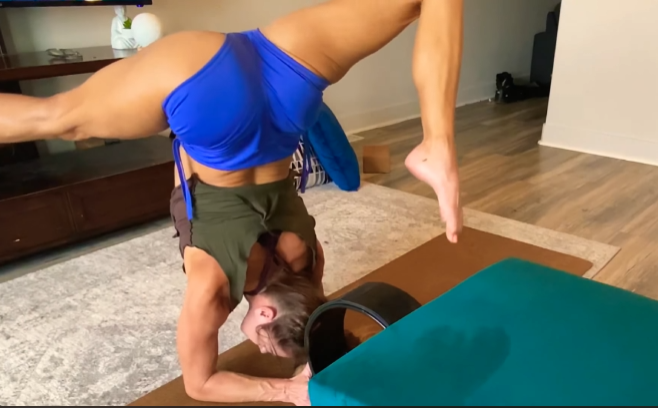
Begin with a simple supported backbend. Kneel or sit on the mat, positioning the wheel behind the spine. Slowly lean back, placing the mid-back onto the wheel. Allow the hands to reach toward the floor or the wheel itself for support. The wheel should gently lift the chest and shoulders, creating a soft opening. Focus on the breath, inhaling to expand the chest and exhaling to relax into the stretch.
This drill is foundational. It allows the body to get used to the sensation of supported extension, encourages trust, and helps locate areas of tightness that may need further attention. Hold for 20–30 seconds, then slowly return to a neutral position. Repeat two to three times, gradually increasing comfort and confidence with the wheel.
Drill 2: Chest and Shoulder Expansion
After mastering the basic supported backbend, the next drill focuses on the upper body. Lie with the wheel under the shoulder blades, allowing the arms to extend overhead or out to the sides. This positioning encourages shoulder mobility and chest opening, which are essential for safe backbends.
During this drill, engage the core lightly to protect the lower back while allowing the thoracic spine to extend freely. Move slowly, inhaling to expand the chest and exhaling to release tension in the shoulders. Small adjustments of the wheel’s placement—higher or lower along the spine—can target different areas, providing a customizable stretch for individual needs.
Drill 3: Dynamic Rolling
Once comfortable with static backbends, dynamic rolling adds movement to the practice. Start seated or kneeling with the wheel behind the spine. Slowly lean back onto the wheel, allowing it to roll gently along the mid-back as you move into extension. This dynamic motion increases flexibility, stimulates circulation, and encourages spinal awareness.
During rolling, focus on smooth, controlled movements. Avoid rushing or forcing the back into extreme positions. Let the breath guide the motion: inhale to lengthen and expand, exhale to release. This drill helps practitioners understand their range of motion while developing the strength to support deeper backbends.
Drill 4: Assisted Bridge and Wheel Support
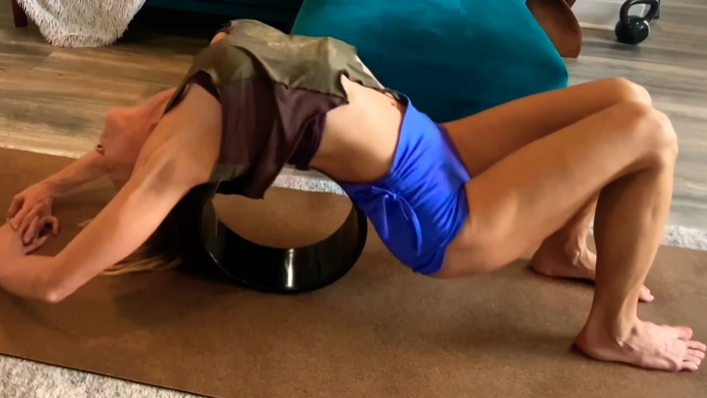
For practitioners ready to explore more intense backbends, the yoga wheel can assist in bridge variations. Lie on the floor with feet hip-width apart, knees bent, and hands holding the wheel. Press into the feet and slowly lift the hips, allowing the wheel to support the spine as needed. The wheel acts as a prop to maintain alignment while deepening the backbend safely.
In this position, engage the glutes and legs to support the lift. The wheel encourages openness in the chest and shoulders, while the core stabilizes the pelvis and lower back. Hold for 15–20 seconds, gradually extending as strength and flexibility improve. This drill is excellent for building both mobility and muscular endurance.
Drill 5: Wheel-Assisted Full Backbend
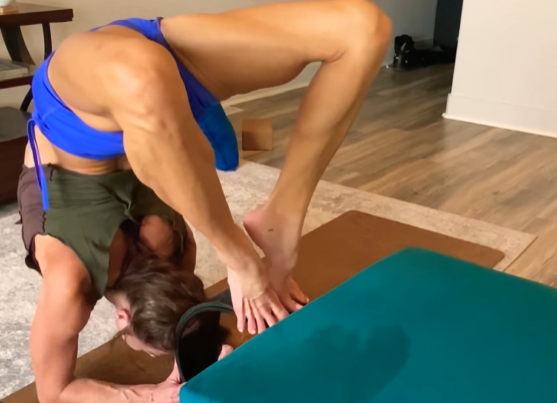
The full backbend is a goal for many practitioners, and the wheel provides a safe pathway to achieve it. Begin by standing or kneeling in front of the wheel. Lean back, placing hands on the wheel for support as the spine arches gently. Keep the core engaged and the feet firmly planted. Allow the chest to lift while the shoulders and upper back expand.
This drill requires concentration and mindfulness. Go slowly, breathing deeply with each movement. The wheel prevents overextension and helps maintain proper alignment, minimizing risk of injury. Practicing consistently builds confidence, opening the door to deeper, freer backbends over time.
Tips for Safe Practice
Safety is paramount when working with backbends, even with supportive props like the yoga wheel. Always warm up thoroughly and move mindfully. Avoid forcing the spine into positions that cause discomfort or pain. Engage the core to protect the lower back, and keep the breath steady and intentional.
Listen to your body. Everyone’s range of motion is different, and progress should be gradual. The wheel is a tool to enhance flexibility, not a shortcut. Combining wheel-assisted drills with regular spinal mobility exercises, chest openers, and core strengthening creates balanced backbending practice.
Benefits of Yoga Wheel Assisted Backbending
The benefits of these drills extend far beyond physical flexibility. Backbends open the chest and lungs, improving respiratory function and energy flow. They stimulate the nervous system, enhancing alertness, mood, and focus. Mentally, backbends encourage courage and confidence, as opening the chest symbolically invites vulnerability and strength simultaneously.
The yoga wheel supports this process, reducing fear, providing stability, and allowing practitioners to explore new depths safely. Over time, this practice strengthens muscles, improves posture, releases tension in the spine and shoulders, and increases overall body awareness.
Integrating Mindfulness
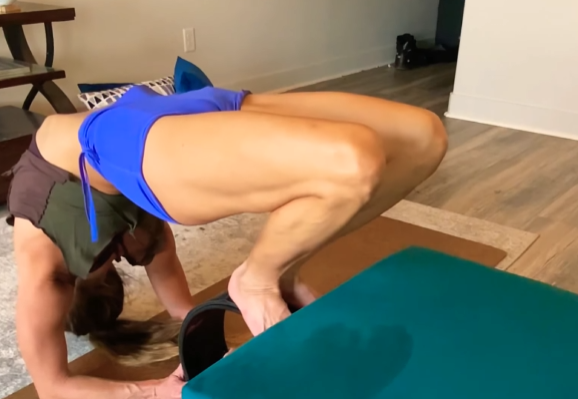
Yoga wheel backbending drills are not just physical exercises; they are mindful practices. Each movement can be paired with breathwork and intention. Before entering a backbend, take a moment to center yourself. Visualize energy flowing through the spine, imagine tension melting away, and acknowledge gratitude for the body’s capacity to move and stretch.
Incorporating mindfulness transforms backbends into a meditative practice. Rather than pushing for extreme flexibility, the focus becomes awareness, acceptance, and presence. This approach enhances both the physical and emotional benefits of the practice, creating a holistic experience.
Conclusion
Yoga Wheel Assisted Backbending Drills offers a comprehensive approach to exploring backbends safely and effectively. Starting with gentle support and progressing to dynamic and deeper movements, these drills build flexibility, strength, and confidence. The yoga wheel acts as both guide and prop, helping practitioners access positions that might otherwise feel intimidating.
Beyond the physical benefits, this practice cultivates mindfulness, courage, and body awareness. It invites practitioners to move with intention, breathe with focus, and honor their individual journey. Through consistent practice, the yoga wheel becomes a tool not just for backbends, but for personal growth, resilience, and empowerment.
Whether used in a home practice or guided class, these drills provide a pathway to safe, effective, and joyful backbending. The combination of support, technique, and mindfulness ensures that every practitioner can explore the beauty and freedom of spinal extension while minimizing risk. With patience, consistency, and presence, yoga wheel assisted backbending opens the body, heart, and mind, revealing the transformative power of mindful movement.