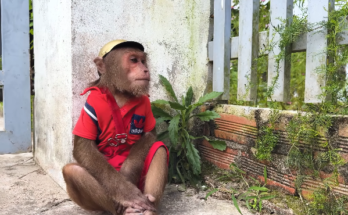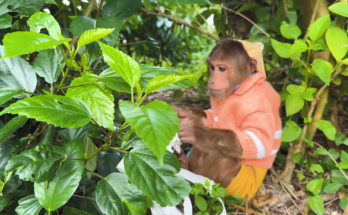
China is home to several wildlife parks dedicated to the care, observation, and study of monkeys. These parks are both tourist attractions and conservation centers, offering visitors the chance to see monkeys in naturalistic settings while also supporting research and animal welfare. A typical day at a Chinese monkey park is a fascinating blend of routine care, natural behaviors, and human interaction. From early morning feeding to evening rest, the life of monkeys in these parks follows a rhythm shaped by their biological needs, environmental conditions, and the structured management of the park.
Morning Arrival: Waking Up the Park
The day at a Chinese monkey park often begins early, usually around sunrise. As the first light of the day filters through the trees and enclosures, the monkeys begin to stir. Depending on the species, some monkeys are more active in the morning, using these hours to groom, forage, and socialize. In many parks, zookeepers and caretakers arrive at this time to begin their daily duties.
Feeding is typically the first task of the day. Monkeys are provided with a varied diet, often including fruits, vegetables, nuts, grains, and specially formulated pellets to ensure balanced nutrition. In some parks, feeding is scheduled in multiple rounds, while in others, food is scattered throughout the enclosures to encourage natural foraging behaviors. This method not only keeps the monkeys active but also stimulates their cognitive skills as they search for hidden treats.
Morning is also a time for observation. Caretakers walk through the park, checking the health and well-being of the animals. They watch for signs of illness, injury, or stress. Many Chinese monkey parks have medical staff on standby to address any health concerns promptly. Grooming, which is a natural social behavior among monkeys, is closely monitored. Grooming is essential not only for hygiene but also for maintaining social bonds within the group.
Mid-Morning: Socializing and Play
Once fed, monkeys often engage in social interactions and play. Play is particularly important for younger monkeys, helping them develop strength, coordination, and social skills. Parks may provide climbing structures, ropes, trees, and platforms to mimic the monkeys’ natural habitats. These enriched environments encourage natural behaviors such as swinging, jumping, and exploration.
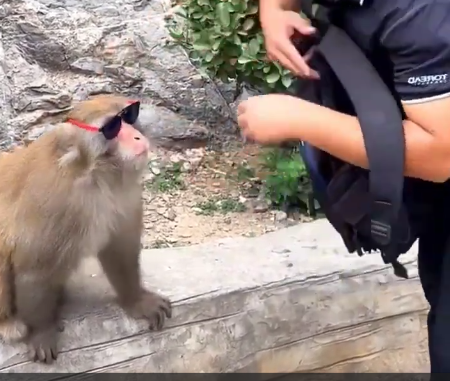
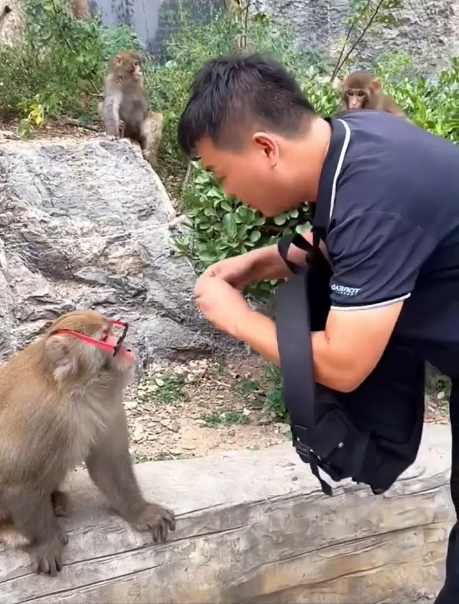
For species that are highly social, such as macaques, mid-morning is often filled with grooming sessions, gentle wrestling, and vocalizations. Visitors may have the chance to observe these interactions from safe viewing areas or observation decks. In some parks, designated feeding times allow visitors to offer food under the supervision of staff, providing a more interactive experience. While this is carefully controlled to prevent overfeeding or aggressive behavior, it gives guests a close-up view of the monkeys’ personalities and habits.
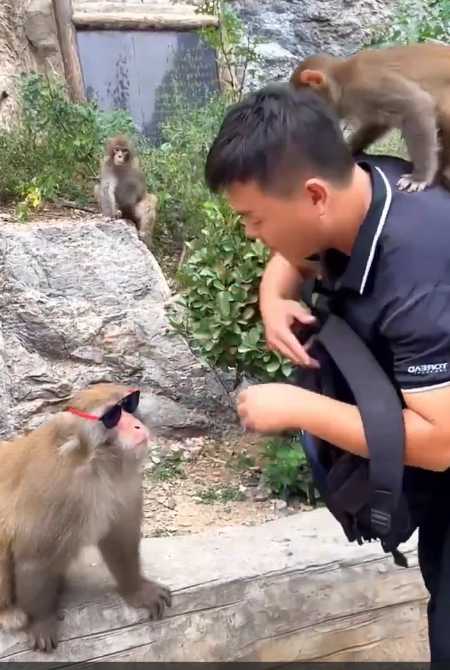
Caretakers may also use this time to conduct behavioral training or enrichment activities. These exercises are designed to engage the monkeys’ minds and bodies, keeping them stimulated and reducing stress. Simple puzzles, hidden treats, and objects to manipulate are common tools. Over time, monkeys learn to associate these activities with rewards, which encourages problem-solving and curiosity.
Lunchtime: Rest and Digest
As the day progresses toward noon, activity levels often slow. Monkeys may retreat to shaded areas or tree branches to rest, groom, or simply watch their surroundings. This is a natural pattern in many primate species, as the heat of midday makes active movement less comfortable.
During this period, caretakers may use downtime to perform maintenance tasks in the enclosures. Cleaning, refilling water supplies, and checking structural integrity are essential to keeping the park safe and sanitary. Staff also use this quieter time to update records on individual monkeys, noting behaviors, health observations, and interactions within groups.
Some parks also schedule educational programs or interactive presentations around midday. Visitors learn about the biology, behavior, and conservation of the monkeys. These sessions highlight the importance of protecting wild populations and their natural habitats, making the park experience both entertaining and educational.
Afternoon: Exploration and Exercise
As temperatures cool in the afternoon, monkeys often become more active again. They climb, leap, and swing across their enclosures, exploring every corner of their environment. For older monkeys, this period may include leisurely walks or cautious climbing, while younger monkeys tend to display bursts of playful energy.
This is also a time when caretakers may engage in training sessions for medical or husbandry purposes. Positive reinforcement techniques are often used, rewarding monkeys for participating in activities such as presenting limbs for inspection, entering carriers for transport, or cooperating with grooming and bathing. Such training ensures that necessary care can be delivered with minimal stress to the animals.
Visitor interaction often peaks during the afternoon. Observation platforms and designated feeding areas allow people to watch monkeys up close. Some parks have feeding stations where visitors can offer fruits or nuts under staff supervision. These moments allow for memorable interactions, though strict guidelines ensure the monkeys’ safety and well-being.
Evening: Settling Down
As the sun begins to set, monkeys gradually settle down for the night. They find comfortable perches or sleeping spots in trees, platforms, or shelters designed to mimic natural resting places. Social grooming often continues until the monkeys are ready to rest completely.
Caretakers perform a final round of checks in the evening. They ensure that all enclosures are secure, that the animals have adequate food and water for the night, and that any health issues have been addressed. Lighting and temperature conditions may be adjusted to support a natural sleep cycle. In some parks, nighttime cameras are used to monitor nocturnal activity, helping staff understand behavior and address any emergencies without disturbing the animals.
Seasonal Changes: A Dynamic Environment
A normal day at a Chinese monkey park can vary significantly with the seasons. During warmer months, monkeys spend more time in shaded areas, ponds, or misting stations. In colder months, they may huddle together for warmth, spend more time in sheltered areas, or receive additional nutritional support. Seasonal fruit and vegetable availability may also influence feeding schedules and enrichment activities.
Special events, breeding programs, or conservation efforts can add variation to daily routines. For instance, some parks participate in wildlife rescue programs, rehabilitating monkeys from injured or orphaned situations. These programs require additional care, medical attention, and integration with existing groups, adding complexity to the daily schedule.
Human Interaction and Education
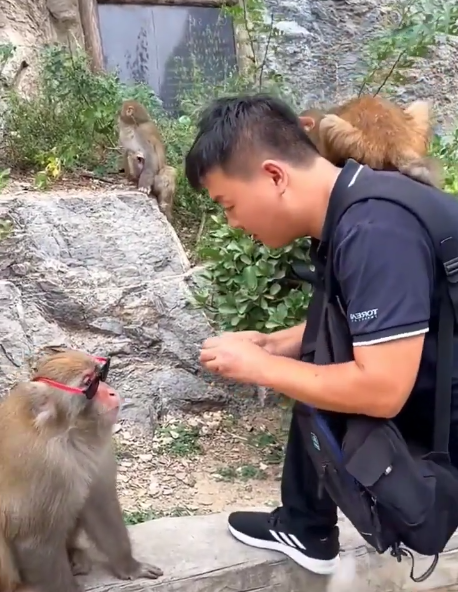
Chinese monkey parks often serve dual purposes: animal welfare and public education. Visitors gain insight into the natural behaviors of monkeys, the challenges they face in the wild, and the importance of conservation efforts. Educational signage, guided tours, and interactive demonstrations help bridge the gap between observation and understanding.
Caretakers play a key role in fostering positive interactions between humans and monkeys. By managing visitor access, supervising feeding activities, and providing enrichment demonstrations, staff ensure that the monkeys remain safe while visitors gain a meaningful experience. This balance is essential, as too much direct contact or stress from visitors can negatively affect the animals.
Conclusion: A Rhythm of Life
A normal day at a Chinese monkey park is a carefully orchestrated balance between care, enrichment, natural behaviors, and human observation. From early morning feedings to evening rest, monkeys move through a rhythm that supports their physical health, mental stimulation, and social connections. For visitors, these daily patterns offer an opportunity to witness the intelligence, playfulness, and complexity of these fascinating animals.
The park environment highlights the importance of routine, observation, and thoughtful interaction. Caretakers ensure that each monkey’s needs are met, providing food, enrichment, and medical attention while creating conditions that allow natural behaviors to flourish. For the monkeys, the day is a mix of activity, rest, socialization, and exploration—a rhythm that closely mirrors the patterns they would follow in the wild.
In observing a day at a Chinese monkey park, one sees not only the vibrancy and diversity of monkey behavior but also the dedication and care required to maintain a safe and enriching environment. It is a world where the natural instincts of the monkeys are respected and nurtured, where humans play a guiding role rather than a controlling one, and where the delicate balance between freedom and protection is maintained with thoughtfulness and skill.
Ultimately, a normal day at a Chinese monkey park is a reminder of the intricate connections between animals, their environment, and the people who care for them. It is a living example of how structured routines, attentive care, and mindful observation can create a space where monkeys thrive, interact, and display the full richness of their natural behaviors. For visitors and caretakers alike, these daily rhythms are both educational and inspiring, offering a glimpse into the lives of some of the most social, intelligent, and playful creatures on the planet.