Yoga is a journey of exploration, balance, and self-discovery. Within its many styles and practices, certain advanced elements challenge the body in ways that build not only flexibility and strength but also focus, courage, and body awareness. Among these, inversions, forward folds, and putting the legs behind the head stand out as transformative movements. When approached with mindfulness, patience, and proper preparation, these poses unlock a new dimension of mobility, confidence, and inner calm.
Inversions: Seeing the World Upside Down
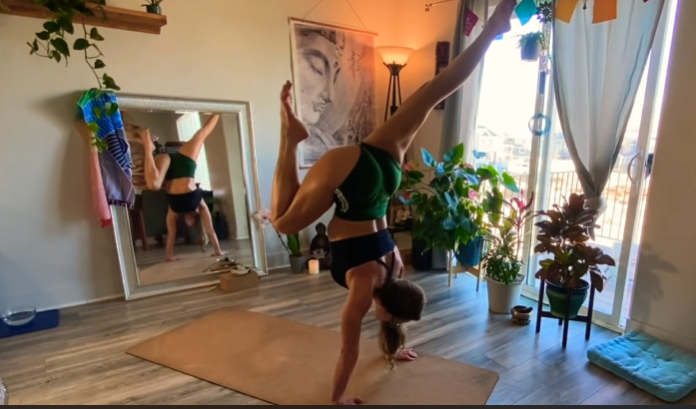
Inversions—poses where the heart is positioned above the head—are among the most invigorating elements of yoga. Common inversions include headstands (Sirsasana), forearm stands (Pincha Mayurasana), handstands (Adho Mukha Vrksasana), and shoulder stands (Sarvangasana). They might appear intimidating at first glance, but with the right preparation, they are accessible and profoundly beneficial.
Physiologically, inversions improve circulation and challenge the cardiovascular system. By bringing the head below the heart, blood flow is encouraged in ways that support the brain, relieve tension, and enhance lymphatic drainage. This position stimulates the nervous system and can create feelings of alertness, clarity, and energy. Practitioners often notice increased mental focus and a sense of rejuvenation after consistent inversion practice.
Beyond the physical benefits, inversions cultivate trust and confidence. Entering a pose where the body is inverted requires careful alignment, control, and mental calm. The fear of falling must be managed with patience and gradual progression. Wall support, props, and spotters can be used initially, allowing the body to feel safe while building strength and awareness. Over time, this practice cultivates courage, teaching the yogi to approach challenges with composure and clarity.
Forward Folding: Lengthening and Releasing
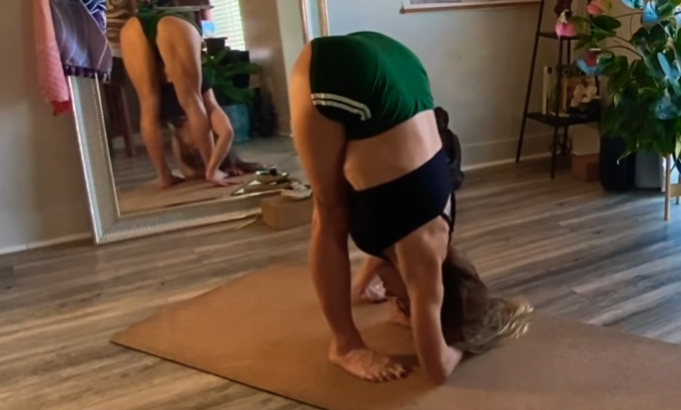
Forward folds, or flexion poses, contrast inversions by turning the torso inward and bringing the head closer to the legs. Examples include Standing Forward Fold (Uttanasana), Seated Forward Fold (Paschimottanasana), Wide-Legged Forward Fold (Prasarita Padottanasana), and variations of the Pancake Pose. Forward folds focus on stretching the hamstrings, calves, and spine while activating the parasympathetic nervous system, promoting relaxation.
A proper forward fold is not just about reaching the floor. It emphasizes lengthening the spine, engaging the core, and softening the neck and shoulders. In advanced variations, the challenge increases: deeper hip opening, straighter legs, and forward extensions that require control, breath, and patience. Forward folds can be combined with twists, binds, or arm variations to deepen the stretch and integrate multiple areas of the body.
Forward folding also teaches surrender. Unlike inversions, which are active and empowering, deep forward bends encourage letting go. They release tension, calm the mind, and improve digestion and circulation. In yoga philosophy, these poses are symbolic of humility and inner reflection, complementing the strength and courage developed in inversion practice.
Legs Behind the Head: Extreme Flexibility and Body Awareness
One of the most advanced elements in yoga is placing the legs behind the head. Poses such as Eka Pada Sirsasana (Foot-Behind-Head Pose), Dwi Pada Sirsasana (Both Feet Behind Head Pose), and Kapotasana variations represent extreme hip, hamstring, and spine flexibility. These movements are usually associated with contortion and advanced asana practice, but they also have a place in yoga when approached gradually and mindfully.
Achieving legs-behind-head positions requires three critical components: hip opening, core strength, and spinal mobility. The hips must externally rotate and stretch deeply, while the spine requires lengthening and control to avoid compression. The core stabilizes the body and supports safe entry into the pose. Without proper preparation, attempting these poses can lead to strain or injury, which is why progressive training is essential.
For most practitioners, legs-behind-head poses are reached after years of consistent yoga practice. Preparatory poses include deep hip openers like Pigeon Pose (Kapotasana), Bound Angle Pose (Baddha Konasana), and Frog Pose (Mandukasana), as well as forward folds and spinal extensions. Gradual progression, supported by breath, ensures the muscles release safely and the joints remain healthy.
Integrating Inversions, Forward Folding, and Legs Behind Head
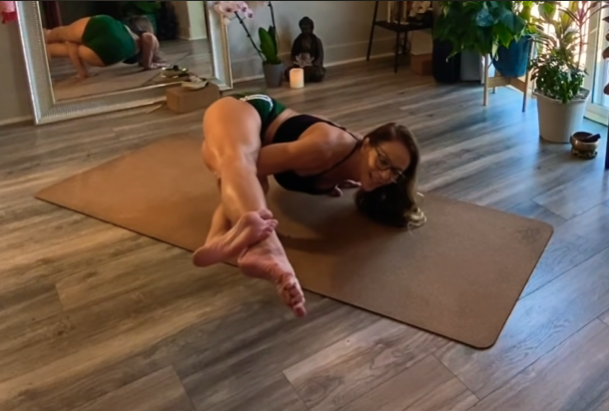
A well-rounded practice that combines these elements requires sequencing and attention to alignment. Inversions often precede deep forward folds because they energize the body, improve circulation, and prepare the mind for focus. Forward folds follow as a counterbalance, allowing the body to release tension and lengthen the spine after the engagement of inversions. Legs-behind-head poses are introduced carefully, ideally after the body is warm, joints are mobile, and the practitioner is mentally centered.
Breath is the unifying force throughout this practice. Each inhalation creates space, length, and energy, while each exhalation encourages release and deeper integration. Breath supports alignment, protects the joints, and cultivates mental presence. In advanced yoga, breath is as important as the movement itself—it is the thread that connects effort with ease.
Strength and Stability
While flexibility is often emphasized in forward folds and legs-behind-head poses, strength is equally critical. Inversions demand arm, shoulder, and core strength to maintain control and alignment. Forward folds require engagement of the core to protect the spine and prevent collapsing into the lower back. Legs-behind-head poses require a combination of spinal support and hip stabilization. Integrating strength with flexibility ensures a safe and sustainable practice, allowing the body to explore advanced movements without injury.
Mindfulness and Focus
Advanced yoga practice is not only a physical challenge—it is a mental one. Inversions, forward folds, and legs-behind-head positions all demand concentration, patience, and awareness. The mind must remain calm and present to guide the body safely. Distractions, rushing, or forcing the body can lead to strain. Mindfulness allows practitioners to observe subtle sensations, respect limits, and progress steadily.
Safety and Progressive Practice
Attempting these poses without preparation can be risky. Practitioners should follow a gradual approach:
- Warm-up: Begin with gentle stretches, joint rotations, and light mobility work for the spine, hips, and shoulders.
- Foundational poses: Practice beginner and intermediate inversions, seated forward folds, and hip openers.
- Strength integration: Include core work, arm strengthening, and balance exercises to support advanced poses.
- Gradual progression: Attempt legs-behind-head positions incrementally, using props or wall support if needed.
- Rest and recovery: Counterpose with gentle backbends, twists, and restorative poses to ensure the body relaxes and integrates the practice.
Following this progression builds confidence, reduces the risk of injury, and allows the body to adapt naturally to the demands of advanced yoga.
The Mental Benefits
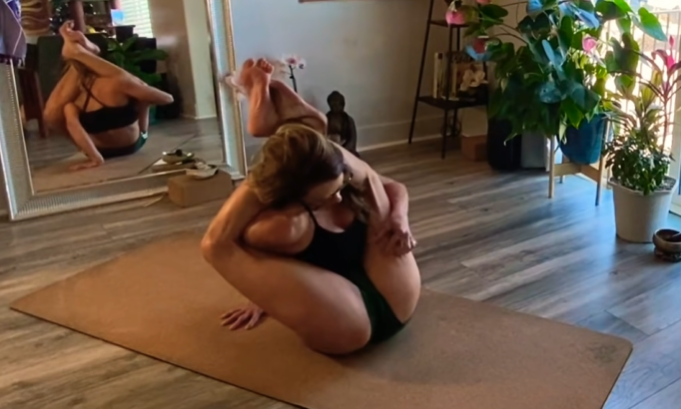
These advanced poses are more than physical challenges—they are tools for cultivating presence and resilience. Inversions teach courage and trust in oneself. Forward folds cultivate surrender and introspection. Legs-behind-head poses develop patience, precision, and body awareness. Together, they offer a holistic experience that strengthens not only the body but also the mind and spirit.
Practicing these elements regularly fosters discipline and focus. Each pose becomes an opportunity to observe the mind, notice habitual tension, and practice letting go. Over time, this mindfulness extends beyond the mat, improving emotional resilience, stress management, and mental clarity.
Flow and Integration
A sample flow incorporating these elements might look like this:
- Begin with a few rounds of Sun Salutations to warm the body.
- Move into wrist and shoulder warm-ups, preparing for inversions.
- Practice preparatory inversions like Dolphin Pose or Headstand at the wall.
- Transition into standing forward folds and seated forward folds, lengthening the spine and hamstrings.
- Integrate hip openers such as Pigeon Pose, Bound Angle Pose, and Wide-Legged Forward Fold.
- Gradually explore legs-behind-head positions with props or support, focusing on alignment and core engagement.
- Close the practice with gentle backbends, twists, and restorative poses, followed by Savasana for complete integration.
This flow ensures the body is sufficiently warmed, the nervous system is prepared, and the practice is balanced between effort and release.
Conclusion
Yoga practice with inversions, forward folding, and legs-behind-head positions is a journey of strength, flexibility, and awareness. It challenges the body while teaching patience, focus, and mindfulness. With proper preparation, attention to alignment, and gradual progression, these poses can be safely explored, offering transformative benefits for the body and mind.
Inversions teach courage and perspective. Forward folds cultivate calm and introspection. Legs-behind-head positions expand mobility, awareness, and confidence. Together, they create a practice that is holistic, empowering, and deeply satisfying.
This advanced practice is not about achieving extremes or showing skill. It is about listening to the body, respecting limits, and finding joy in movement. With consistency, mindfulness, and dedication, the benefits of this practice extend far beyond the mat—enhancing posture, balance, focus, and overall well-being.
Yoga is not a race; it is a conversation. Through inversions, forward folds, and legs-behind-head poses, practitioners learn to converse with their bodies, listening closely, responding with care, and gradually uncovering the incredible potential of mind, body, and spirit.