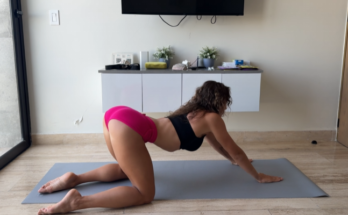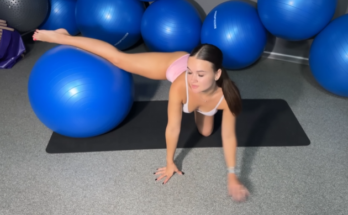
Pelvic waves are a quiet conversation between the body and the spine. They are slow, fluid, and deeply grounding—less about performance and more about awareness. Unlike sharp stretches or rigid poses, pelvic waves invite the body to soften, articulate, and release tension one vertebra at a time. The movement may look subtle from the outside, but internally, it creates profound change.
At their core, pelvic waves are about spinal health. They restore natural mobility, encourage circulation, and reconnect the pelvis and spine as one flowing system rather than separate parts. The result is flexibility that feels organic, supported, and deeply satisfying.
Understanding the Pelvis–Spine Connection
The pelvis is the foundation of spinal movement. Every step you take, every bend, every rotation begins there. When the pelvis is stiff or disconnected, the spine compensates—often by overworking certain areas like the lower back or neck. Over time, this imbalance leads to discomfort, reduced mobility, and chronic tension.
Pelvic waves reawaken the natural rhythm between the pelvis and spine. The movement begins at the base and travels upward, like a ripple through water. Each vertebra responds in sequence, creating a wave that is smooth rather than forced.
This articulation is essential for long-term spinal flexibility. Instead of stretching muscles in isolation, pelvic waves train the entire spinal column to move as it was designed to—fluid, responsive, and resilient.
What Makes Pelvic Waves Feel “Sensual”
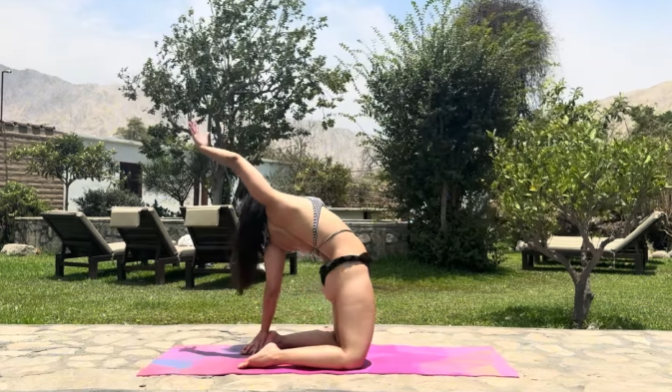
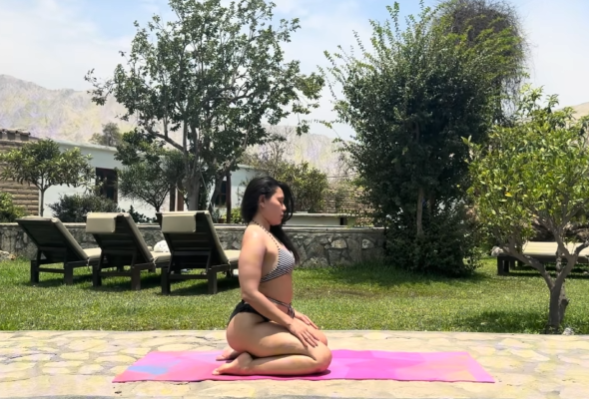
The word sensual here does not mean sexual. It refers to sensation—feeling deeply, moving with awareness, and enjoying the internal experience of motion. Pelvic waves are slow enough to notice subtle shifts in weight, breath, and muscle engagement. This mindfulness turns a simple movement into something calming and expressive.
As tension melts away, the nervous system relaxes. The body begins to trust the movement. That sense of ease is what makes pelvic waves feel gentle and almost meditative. You are not pushing into flexibility—you are allowing it to emerge.
The Anatomy of a Pelvic Wave
A pelvic wave is created by alternating between two pelvic positions:
- Anterior tilt (pelvis tipping forward, lower back gently arching)
- Posterior tilt (pelvis tucking under, lower back rounding)
When done slowly and consciously, this tilt becomes a wave that travels upward through the spine. The key is sequencing. The movement doesn’t stop in the lower back—it continues through the mid-back, chest, and even the neck.
Breath plays a vital role. Inhaling often accompanies expansion and arching, while exhaling supports rounding and release. This breath–movement connection encourages muscles to relax instead of resist.
Benefits for Spine Flexibility
Pelvic waves offer benefits that go far beyond simple stretching:
- Improved spinal mobility: Each vertebra learns to move independently yet harmoniously.
- Reduced lower back tension: Gentle motion nourishes the lumbar spine without compression.
- Better posture: Regular practice restores natural spinal curves.
- Enhanced body awareness: You begin to feel where movement is limited and where it flows freely.
- Stress relief: The rhythmic motion calms the nervous system.
Unlike aggressive flexibility training, pelvic waves work with the body’s natural range of motion, making them suitable for all levels.
Starting the Practice: Slow and Supported
Pelvic waves can be practiced seated, standing, or on the floor. Beginners often find seated or hands-and-knees positions most accessible because they reduce load on the spine.
The most important rule is this: move slowly enough to feel each part of the spine respond. Rushing turns the wave into a simple tilt. Slowing down allows the spine to articulate fully.
A helpful cue is to imagine the spine as a string of pearls. Each pearl moves after the one below it, creating a continuous ripple rather than a single motion.
The Role of the Core
Gentle engagement of the deep core muscles supports the movement without stiffening it. This is not about bracing or holding tension. It’s about subtle activation that stabilizes the spine while allowing freedom.
When the core supports the wave, the movement feels lighter and safer. The pelvis moves with confidence, and the spine follows naturally.
Emotional Release Through Movement
Many people are surprised by the emotional effect of pelvic waves. The pelvis is an area where stress and emotion often accumulate. Gentle, rhythmic movement can release stored tension in ways that static stretching cannot.
It’s not uncommon to feel a sense of calm, vulnerability, or even unexpected emotion during or after practice. This is a normal response when the body feels safe enough to let go.
Pelvic waves create that safety through softness and control.
Integrating Pelvic Waves Into Daily Life
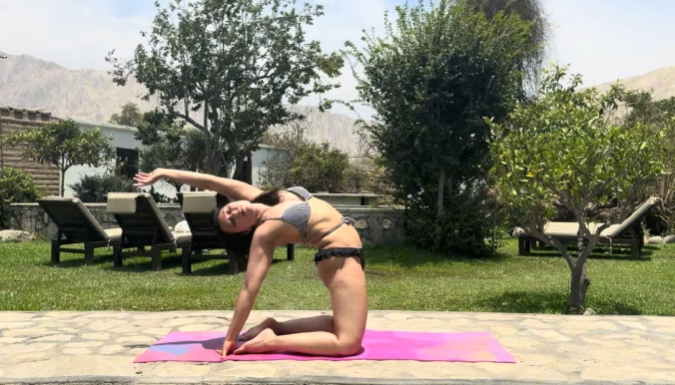
You don’t need a long session to benefit from pelvic waves. A few minutes in the morning can wake up the spine. A gentle flow in the evening can unwind a long day.
They can also be integrated into other practices:
- As a warm-up before yoga or stretching
- As a cool-down after strength training
- As a mindful movement break during long periods of sitting
Because the movement is low-impact, it’s easy to return to again and again.
Common Mistakes to Avoid
Even gentle movements can lose effectiveness if done incorrectly. Common mistakes include:
- Moving too fast and skipping spinal articulation
- Over-arching the lower back instead of distributing movement
- Holding the breath
- Forcing range instead of respecting comfort
Pelvic waves should feel smooth, soothing, and controlled. If there is sharp pain or strain, the movement should be reduced or paused.
Progressing the Flow
As awareness improves, pelvic waves can become more expressive. The wave may grow larger, smoother, or more integrated with full-body movement. Arms, head, and even subtle shifts in weight can join the flow.
This progression happens naturally when the spine becomes more flexible and confident. There is no need to rush. Depth comes from consistency, not intensity.
Why Gentle Movement Creates Lasting Flexibility
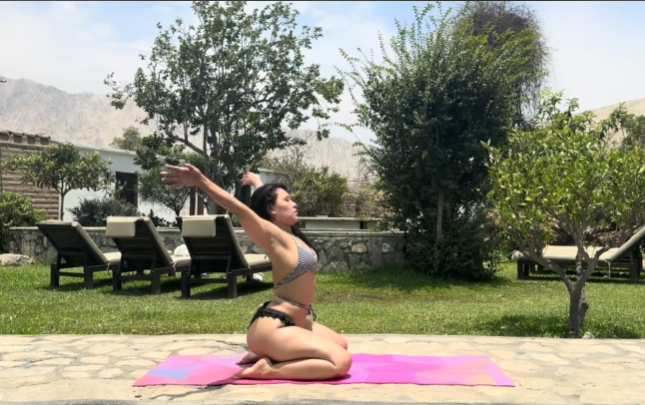
The spine responds best to frequent, low-stress movement. Pelvic waves provide nourishment rather than demand. Over time, stiffness fades not because it was forced away, but because it was no longer needed.
This is why pelvic waves are so effective for long-term flexibility. They teach the body that movement is safe, pleasurable, and supportive.
A Practice of Listening
At its heart, pelvic wave practice is about listening—to breath, to sensation, to subtle shifts within the body. It encourages respect rather than control, curiosity rather than judgment.
That listening transforms flexibility from a goal into a relationship. The spine becomes a living, responsive structure rather than something to push or fix.
Pelvic waves remind us that the body already knows how to move. All we have to do is slow down enough to let it speak.
In the end, spine flexibility isn’t built through force—it’s invited through flow. And pelvic waves, gentle and sensual in their awareness, offer one of the most natural ways to rediscover that freedom of movement.