Lower back pain is one of the most common physical complaints in the modern world. Long hours sitting at a desk, driving, scrolling on a phone, or even standing incorrectly can create stiffness and tension in the lower spine. Over time, this tightness can lead to discomfort, reduced mobility, and even chronic pain. Fortunately, with consistent and mindful stretching, you can restore flexibility, improve posture, and protect your lower back from future strain.
Chebyjane’s approach to lower back stretching focuses on gentle movement, breath control, and body awareness. These exercises are designed for beginners and intermediate levels, and they can be done at home without any equipment. The key is consistency and proper form.
1. Cat–Cow Stretch


4
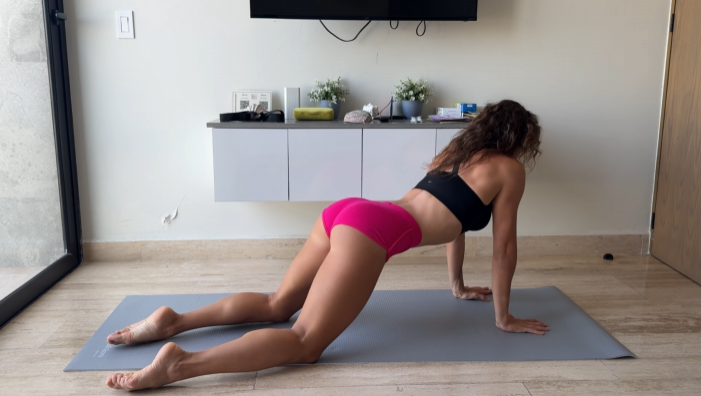
The Cat–Cow stretch is a foundational yoga movement that increases flexibility in the spine and gently warms up the lower back.
How to do it:
- Start on all fours with your wrists under your shoulders and knees under your hips.
- Inhale deeply and arch your back, lifting your head and tailbone (Cow pose).
- Exhale slowly and round your spine, tucking your chin and pelvis inward (Cat pose).
- Repeat for 10–15 slow, controlled breaths.
Benefits:
- Improves spinal mobility
- Reduces stiffness in the lower back
- Enhances posture
- Relieves tension from prolonged sitting
Move slowly and focus on matching your breath with each movement. This helps relax the nervous system and allows deeper stretching.
2. Child’s Pose


4
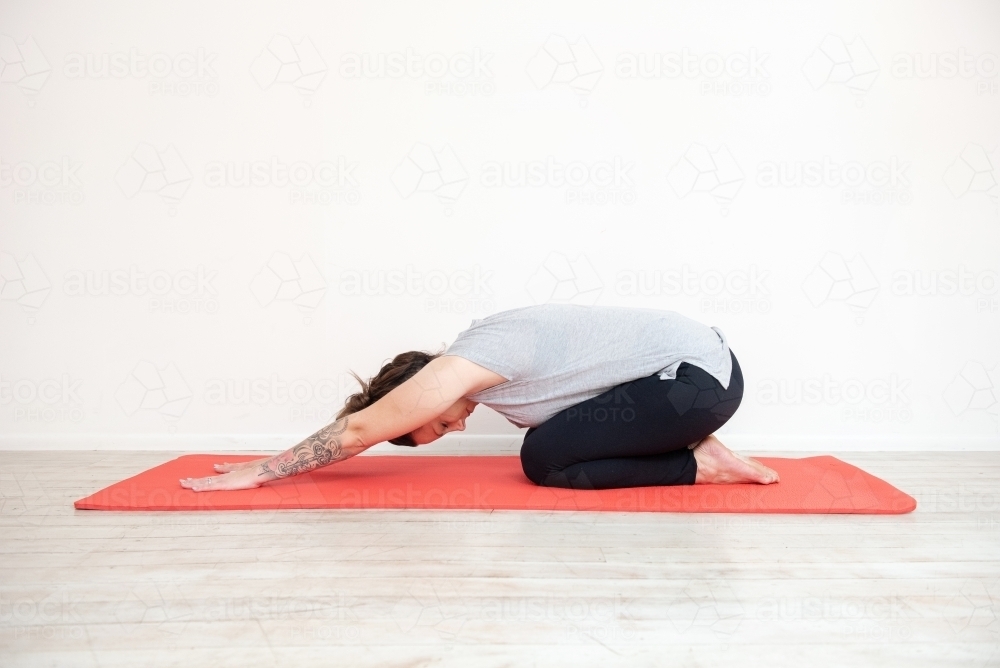
Child’s Pose is a gentle resting stretch that targets the lower back, hips, and thighs.
How to do it:
- From a kneeling position, sit back onto your heels.
- Extend your arms forward and lower your chest toward the floor.
- Rest your forehead on the mat.
- Hold for 30–60 seconds while breathing deeply.
For a deeper stretch, walk your hands slightly to one side to stretch the lower back muscles more effectively.
Benefits:
- Gently stretches the lower back
- Relaxes tight hip muscles
- Calms the mind and reduces stress
This pose is especially helpful at the end of a long day.
3. Knee-to-Chest Stretch

4
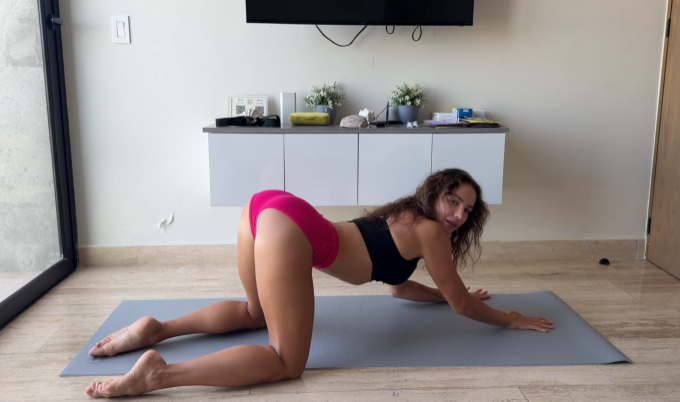
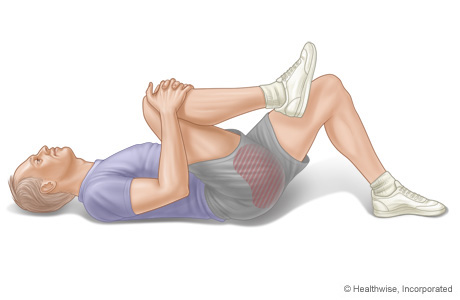
The Knee-to-Chest stretch directly targets the lumbar spine.
How to do it:
- Lie flat on your back with your legs extended.
- Bring one knee toward your chest and hold it with both hands.
- Hold for 20–30 seconds.
- Switch sides.
- For a deeper stretch, hug both knees into your chest.
Benefits:
- Releases lower back tension
- Relieves pressure in the spine
- Improves flexibility in the hips
Avoid pulling too aggressively. Keep the movement gentle and controlled.
4. Seated Forward Fold
4
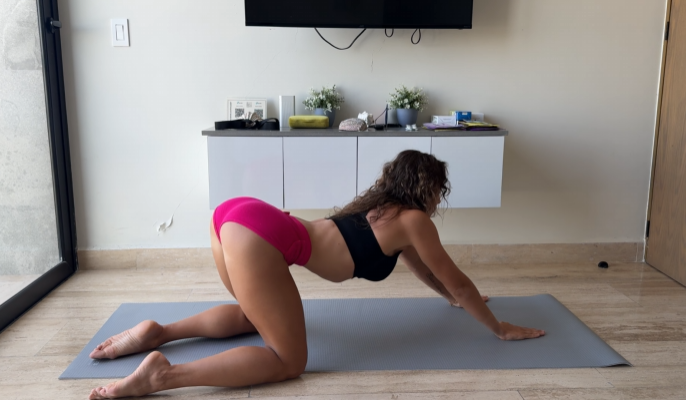
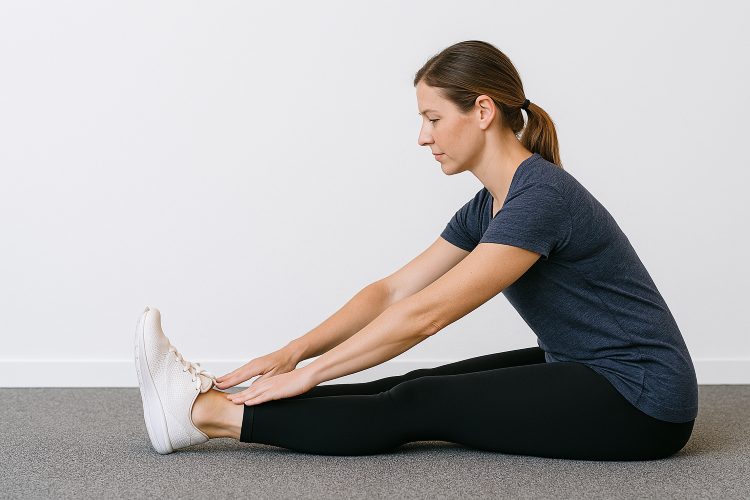
Tight hamstrings can contribute to lower back pain. This stretch helps lengthen the back body.
How to do it:
- Sit with your legs extended straight in front of you.
- Keep your back straight and hinge forward from the hips.
- Reach toward your toes without rounding your spine.
- Hold for 30 seconds while breathing slowly.
Benefits:
- Stretches hamstrings
- Reduces strain on the lower back
- Improves overall flexibility
If you can’t reach your toes, that’s perfectly fine. Focus on maintaining a straight spine rather than forcing depth.
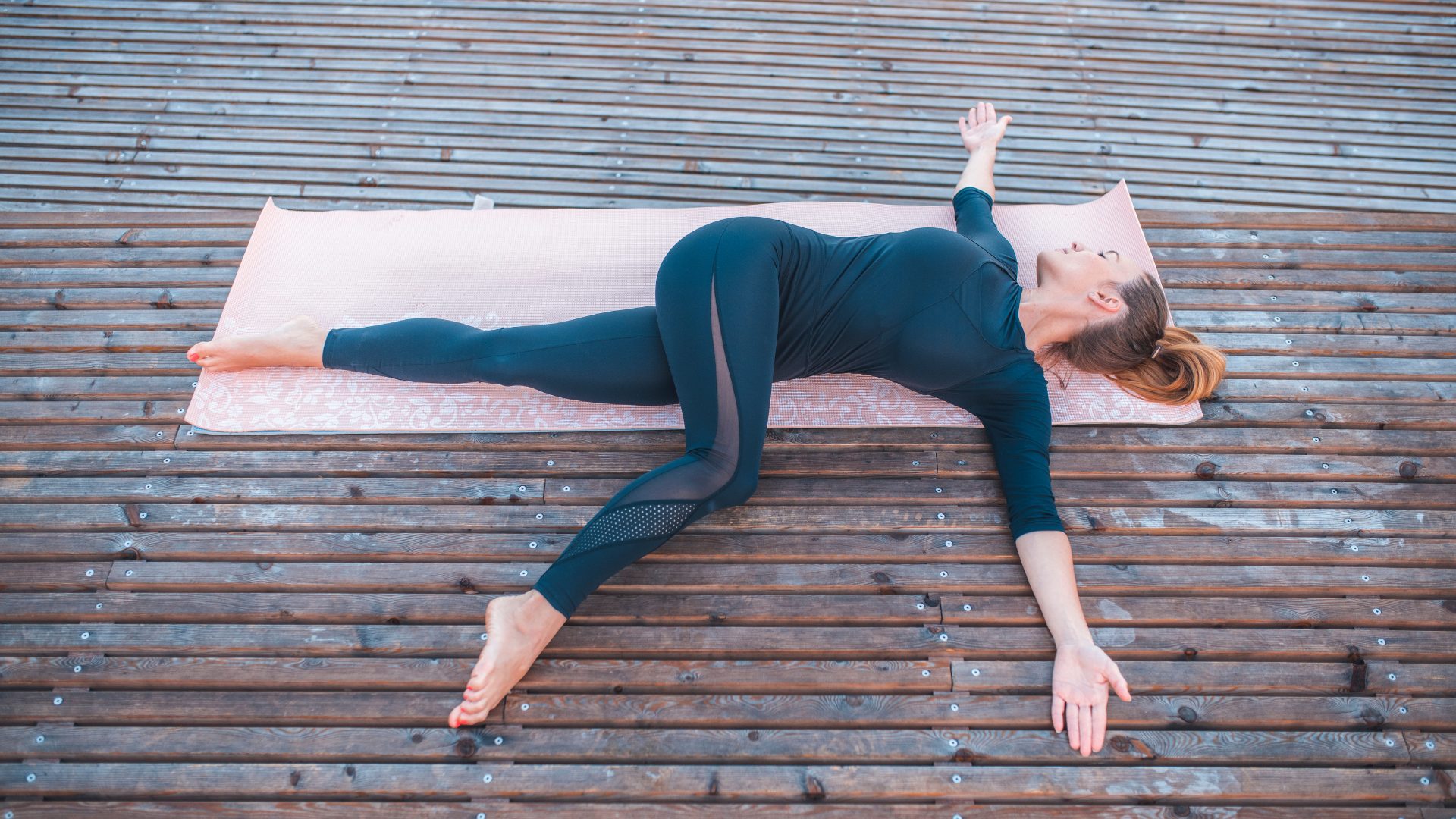
5. Supine Spinal Twist

4
Twisting movements help release tension stored in the lower back muscles.
How to do it:
- Lie on your back and extend your arms out to the sides.
- Bend one knee and bring it across your body.
- Keep both shoulders flat on the floor.
- Hold for 30 seconds and switch sides.
Benefits:
- Improves spinal mobility
- Relieves stiffness
- Gently massages the lower back muscles
Move slowly into the twist. Never force the stretch.
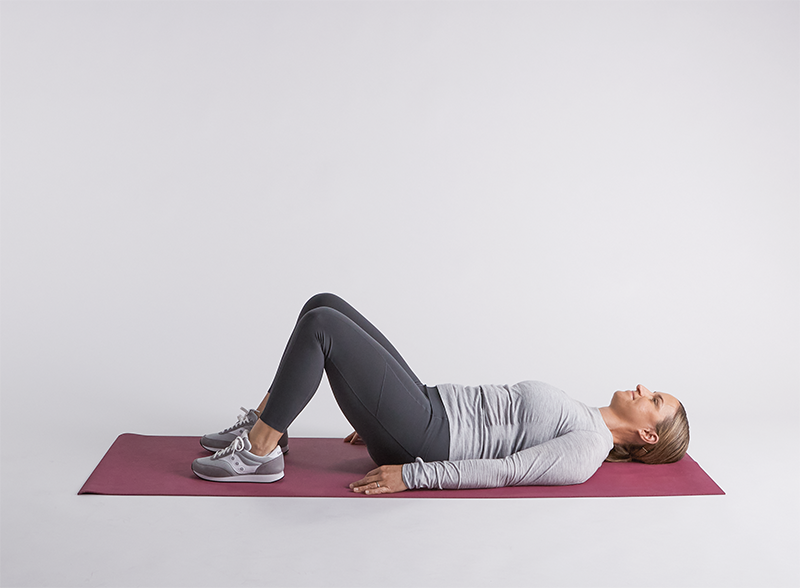
6. Pelvic Tilt

4
While technically more of a strengthening movement, pelvic tilts help stabilize and stretch the lower back.
How to do it:
- Lie on your back with knees bent and feet flat on the floor.
- Flatten your lower back against the mat by tightening your abdominal muscles.
- Hold for 5 seconds.
- Release and repeat 10–15 times.
Benefits:
- Strengthens core muscles
- Supports the lumbar spine
- Reduces lower back pain over time
A strong core reduces stress on the lower back.
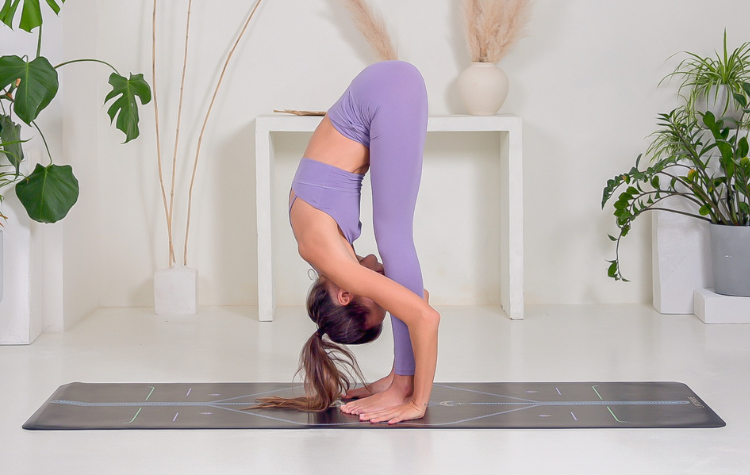
7. Standing Forward Bend

4
This stretch is excellent for quick relief during the day.
How to do it:
- Stand with feet hip-width apart.
- Slowly bend forward at the hips.
- Let your arms hang toward the floor.
- Slightly bend your knees if needed.
Benefits:
- Relieves tension from prolonged sitting
- Stretches lower back and hamstrings
- Improves circulation
Come up slowly to avoid dizziness.
Tips for Safe Lower Back Stretching
- Warm up first. A 5-minute walk helps increase blood flow.
- Breathe deeply. Oxygen supports muscle relaxation.
- Avoid bouncing. Stretch slowly and hold steadily.
- Stop if you feel sharp pain. Mild tension is normal, but pain is not.
- Be consistent. Stretch at least 3–4 times per week.
Chebyjane’s Weekly Lower Back Routine
If you want a simple structure, follow this plan:
- Monday: Cat–Cow + Child’s Pose
- Wednesday: Knee-to-Chest + Spinal Twist
- Friday: Seated Forward Fold + Pelvic Tilt
- Sunday: Full routine (all exercises, 15–20 minutes total)
Within just a few weeks, you may notice reduced stiffness, improved posture, and greater flexibility.
Final Thoughts
Lower back pain does not have to control your life. With patience, gentle stretching, and mindful breathing, you can improve mobility and protect your spine for the long term. Chebyjane’s lower back stretching exercises are simple, accessible, and effective for daily practice.
Remember, the goal is not extreme flexibility. The goal is comfort, balance, and strength. Treat your body with care, move with intention, and give your lower back the attention it deserves.
Consistency creates results. Even 10–15 minutes a day can transform how your body feels. Start today, move gently, and enjoy a stronger, healthier lower back.