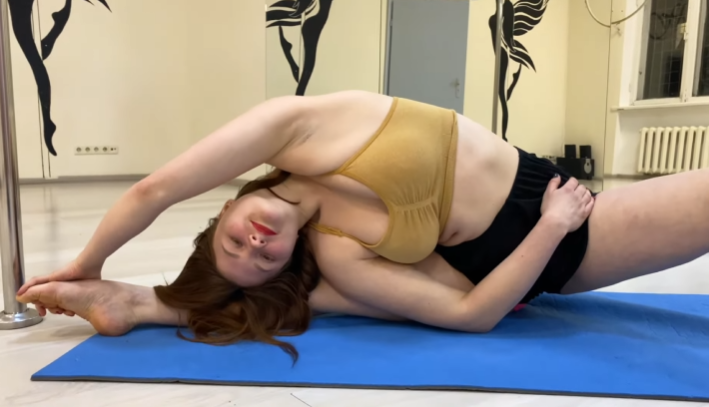
To watch a contortionist move is to witness the human body rewrite its own rules. Limbs fold where they shouldn’t. Spines curve like flowing water. Movements appear effortless, elegant, almost unreal. Yet behind every breathtaking backbend or gravity-defying split lies discipline, patience, and a deep understanding of the body. Contortion and gymnastic stretching are not tricks of nature—they are the result of years of careful training, respect for anatomy, and a powerful mind-body connection.
Unreal flexibility does not happen overnight. It is built slowly, deliberately, and safely. What makes contortion and advanced gymnastic stretching so captivating is not only how far the body can bend, but how controlled, graceful, and intentional each movement becomes.
The Art Behind the Flexibility
Contortion is often misunderstood as simply “being very flexible.” In reality, it is an art form that blends strength, balance, coordination, and breath. Flexibility without control is unstable and dangerous. True contortion requires muscles to actively support extreme ranges of motion, protecting joints while allowing fluid expression.
Gymnastic stretching shares the same philosophy. Flexibility is developed alongside strength, especially in the core, hips, shoulders, and spine. This combination creates a look that is not just impressive, but visually attractive—lines are clean, transitions are smooth, and poses feel alive rather than forced.
That sense of “unreal” movement comes from harmony. Every muscle knows its role. Nothing collapses. Nothing strains.
Why Flexibility Looks So Powerful
There is something universally striking about a body moving freely. Extreme flexibility highlights the natural architecture of the human form—long lines, open shapes, and deep curves. In gymnastics and contortion, stretching is not passive. It is dynamic, expressive, and confident.
Attractive gymnastic stretching isn’t about showing off. It’s about control and ease. A perfectly executed needle scale, oversplit, or chest stand draws attention because it looks calm, balanced, and intentional. The athlete appears relaxed, even when holding positions that demand intense physical effort.
That contrast—effort hidden behind elegance—is what makes flexibility performances so captivating.
The Foundations of Unreal Flexibility
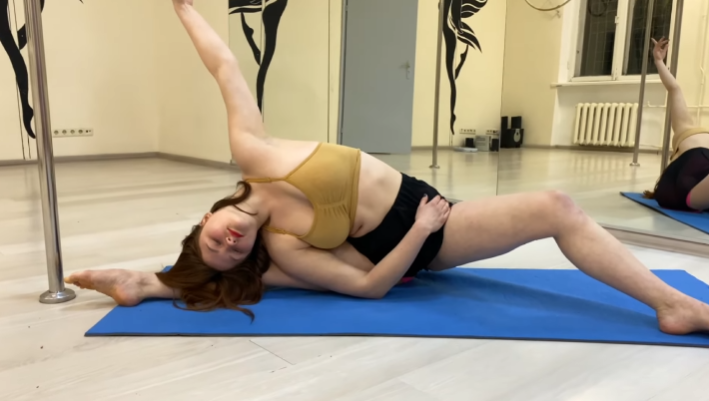
Every advanced contortionist starts with the basics. There are no shortcuts. The foundation includes:
- Joint preparation: Wrists, shoulders, hips, knees, and ankles must be carefully warmed up before deep stretching. Healthy joints are essential for long-term progress.
- Active flexibility: Muscles learn to lift and support the body in stretched positions. This is what prevents injury and builds control.
- Spinal articulation: The spine must move segment by segment. Backbends are not about collapsing into the lower back but distributing movement evenly.
- Breath awareness: Controlled breathing relaxes the nervous system, allowing muscles to release tension safely.
Skipping these fundamentals may produce quick visual results, but it almost always leads to pain or injury later.
Gymnastic Stretching: Strength Meets Grace
Gymnastic stretching differs from casual flexibility training because it is deeply connected to movement. Stretching is integrated into skills like leaps, balances, handstands, and transitions. Flexibility becomes functional.
A gymnast doesn’t just “have” a split—they use it mid-air. They don’t just stretch their shoulders—they support their body weight through them. This creates flexibility that is strong, responsive, and visually stunning.
In this way, gymnastic stretching transforms flexibility into athletic beauty. The body moves as one unit, fluid and confident.
The Role of Consistency
Unreal flexibility is built through consistency, not intensity alone. Daily gentle stretching is far more effective than occasional extreme sessions. The body adapts when it feels safe and supported.
Progress often comes in quiet moments:
- Holding a stretch one breath longer
- Noticing less resistance in a familiar position
- Feeling smoother transitions between poses
These small changes accumulate over time. What once felt impossible slowly becomes natural.
Mindset: The Hidden Key
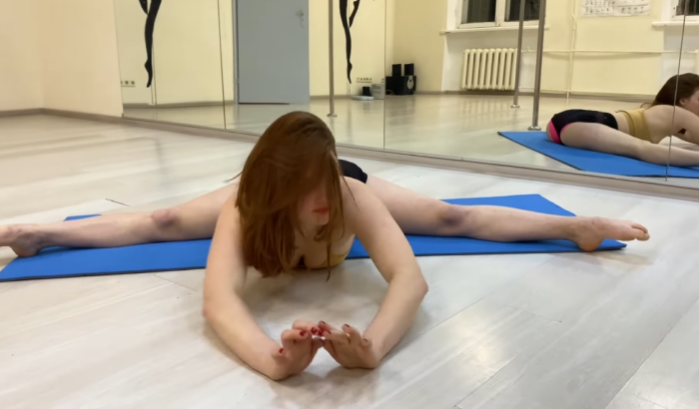
Flexibility is as mental as it is physical. Fear, impatience, and comparison can create tension that blocks progress. Contortion training teaches patience and body awareness. Listening to subtle signals—tightness, fatigue, imbalance—prevents injury and builds trust with your body.
Advanced stretchers learn to relax into discomfort without forcing it. This mental calm is visible in performance. The most attractive flexibility always looks peaceful, never strained.
Safety in Extreme Ranges
Unreal flexibility should never mean reckless stretching. Safe contortion and gymnastic training respect limits and recovery. Rest days, gentle mobility work, and balanced strength training are essential.
Key safety principles include:
- Never stretching cold muscles
- Avoiding sharp or joint-focused pain
- Strengthening muscles that support deep stretches
- Progressing gradually, not aggressively
Longevity matters. Many professional contortionists train for decades because they prioritize control and health over quick results.
Why People Are Drawn to Contortion
There is something inspiring about watching someone explore the full potential of their body. Contortion represents freedom—freedom from stiffness, from limitation, from fear of movement. It challenges our assumptions about what the body can do.
Attractive gymnastic stretching also reminds us that strength doesn’t have to look rigid. Power can be fluid. Control can be soft. Flexibility becomes a form of self-expression rather than just a physical skill.
Beyond Performance: Everyday Benefits
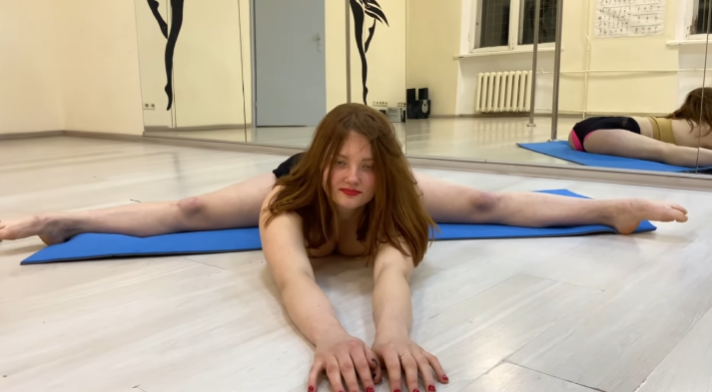
Even for those who never plan to perform, contortion-inspired stretching offers real benefits:
- Improved posture and spinal health
- Increased body awareness
- Reduced stiffness and stress
- Greater confidence in movement
You don’t need to reach extreme poses to experience these advantages. The philosophy of slow, mindful flexibility can improve everyday life.
The Journey, Not the Trick
What makes contortion truly unreal is not the final pose, but the journey to get there. Every stretch teaches patience. Every plateau teaches humility. Every breakthrough feels earned.
Gymnastic stretching transforms the body, but it also reshapes mindset. It encourages discipline without rigidity, ambition without force, and beauty without excess.
Unreal flexibility is not about becoming something unnatural. It is about uncovering what the body is capable of when trained with intelligence, respect, and care.
And that is why contortion continues to fascinate—
not because it defies the human body,
but because it reveals it.