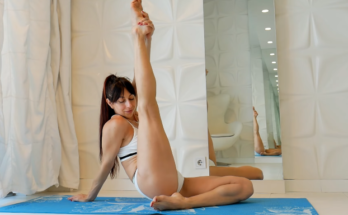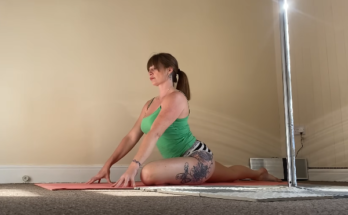
As the sun sets and the day winds down, the body and mind often carry the accumulated weight of hours spent working, moving, thinking, and reacting. Stress may have settled into the shoulders, tension into the hips, and fatigue into the legs and spine. Evening can be the perfect time to reconnect with ourselves through yoga, using it as a tool to release, restore, and rebalance the entire body. Specifically, the practice of a full body evening yoga session has a unique purpose: it is designed not only to stretch and strengthen the body, but to align our energy and emotions, preparing us for restful sleep and mental clarity.
Understanding the intention behind a full body evening practice is key to maximizing its benefits. Unlike morning yoga, which often energizes and prepares the body for movement, evening yoga focuses on slowing down, calming the nervous system, and creating space for reflection and rest. The intention shapes how we approach each pose, each breath, and each moment on the mat.
The Purpose of Evening Yoga
Evening yoga is not merely about physical flexibility. Its purpose encompasses emotional release, mental calmness, and physical restoration. During the day, stress and tension accumulate in predictable areas: the neck, shoulders, hips, lower back, and even the jaw. A full body practice addresses each of these areas deliberately, helping to release tension that may otherwise interfere with relaxation or sleep.
By slowing down the pace of movement and synchronizing each posture with the breath, evening yoga stimulates the parasympathetic nervous system, commonly known as the “rest and digest” system. This activation encourages the body to release stress hormones, lower heart rate, and promote a sense of calm.
The intention of a full body evening yoga practice is therefore holistic: it nurtures the body, mind, and spirit simultaneously, creating a bridge between the activity of the day and the restorative rhythm of the night.
Setting the Intention

In yoga, intention is the mental or emotional focus that guides the practice. For an evening session, setting an intention is particularly important because it frames the practice as a mindful ritual rather than just a series of movements. The intention may be something as simple as:
- “I release the tension of the day.”
- “I allow my body to relax and soften.”
- “I cultivate stillness and peace.”
- “I honor my body and give it rest.”
Even a single word, like “relax” or “calm,” can serve as a powerful anchor. By holding this intention in mind, every movement, breath, and pause becomes meaningful, allowing the practitioner to engage fully with the restorative purpose of the practice.
Preparing the Body and Mind
A full body evening yoga practice begins with preparation. The environment, clothing, and mental state all influence the effectiveness of the session. Creating a quiet, comfortable space—dim lights, soft music, or complete silence—signals to the body that it is time to shift into relaxation mode.
Breathing is one of the most important preparatory tools. Slow, deep breaths help release tension and establish a rhythm for movement. Inhaling gently through the nose, allowing the belly to expand, and exhaling fully encourages the body to release stress naturally.
In this preparatory phase, movements are gentle. Neck rolls, shoulder shrugs, wrist rotations, and ankle circles awaken the joints while simultaneously promoting relaxation. These subtle motions prepare the body for deeper stretches and mindful poses.
The Intention Behind Full Body Movement

The essence of a full body evening yoga practice lies in mindful movement. Each stretch, bend, or twist is guided by the intention to release tension and restore balance. Unlike high-intensity or power yoga flows, evening yoga emphasizes slow, controlled motions that honor the body’s natural limits.
- Upper Body: Gentle shoulder rolls, cat-cow stretches, and chest openers release the stress accumulated in the shoulders and upper back. These movements encourage proper posture, reduce stiffness, and facilitate deeper breathing.
- Spine: The spine is central to overall well-being. Forward folds, seated twists, and supported backbends promote mobility, reduce spinal compression, and calm the nervous system.
- Hips and Legs: Hips often hold emotional tension. Evening yoga incorporates hip openers, hamstring stretches, and gentle lunges to release both physical and emotional tightness, allowing for a sense of grounding.
- Core and Abdomen: Light engagement of the core during twists or supported poses encourages digestion and gently stimulates energy flow without creating tension.
Each movement is performed with awareness and breath, ensuring that the intention of relaxation and restoration guides the session rather than forcing the body into uncomfortable positions.
Breath as the Central Intention
Breath is perhaps the most essential element of an evening practice. The intention is not just to move the body, but to move the breath in harmony with the body, allowing both to unwind together.
Inhalations expand space in the body, while exhalations release tension. Long, slow exhalations are particularly effective in signaling to the nervous system that it is time to relax. By pairing each movement with conscious breath, the practitioner deepens the benefits of the practice, fostering calm and preparing the body for rest.
Mindfulness and Emotional Release
Evening yoga provides a unique opportunity for emotional release. The intentional slow pace, combined with breath awareness and body-focused movement, allows suppressed emotions to surface and dissolve naturally. A practitioner may notice feelings of stress, sadness, or fatigue becoming less rigid, replaced by a sense of lightness and peace.
The intention behind the practice is not only physical—it is emotional. By giving space for emotions to flow, evening yoga becomes a form of self-care that addresses the whole person.
Incorporating Stillness
Stillness is central to the intention of full body evening yoga. Holding poses longer, pausing to breathe, and gently surrendering into stretches teaches the body and mind to relax without effort. This stillness promotes awareness, allowing the practitioner to observe sensations without judgment and cultivate inner calm.
Even in dynamic movements, small pauses and slow transitions reinforce mindfulness and strengthen the connection between intention and action.
Ending the Practice with Deep Relaxation
The conclusion of an evening yoga session often includes a period of Savasana or restorative lying poses. This is the culmination of the practice’s intention: full-body relaxation.
During this phase:
- Muscles are allowed to integrate the effects of stretching and opening.
- Breath flows naturally without control, calming the nervous system.
- The mind can rest, often entering a meditative state that prepares the body for sleep.
This final relaxation embodies the core intention of the practice—creating a sense of wholeness, peace, and readiness for restorative rest.
Who Benefits Most from Evening Yoga

A full body evening yoga practice is suitable for nearly everyone. It is particularly beneficial for:
- People with stressful or demanding schedules, as it helps release tension.
- Those with physical tightness, including back, shoulder, or hip discomfort.
- Individuals seeking better sleep, as evening yoga improves relaxation and nervous system balance.
- Beginners, since the gentle pace makes the practice accessible and safe.
- Anyone seeking emotional balance, as the slow pace allows for reflection and release.
The intention behind the practice makes it adaptable for all levels. The emphasis is on listening to the body, respecting its limits, and allowing each pose to serve the purpose of release and restoration.
Integrating the Practice into Daily Life
Consistency amplifies the benefits of evening yoga. Even short sessions of 15 to 20 minutes can create meaningful change when practiced regularly. Over time, the body begins to associate the ritual of evening yoga with relaxation and rest.
The intention—whether expressed as a word, phrase, or feeling—reinforces the purpose of the practice. It transforms yoga from a physical exercise into a ritual of self-care, helping to establish a sense of balance in daily life.
Conclusion
The intention of a full body evening yoga practice is what transforms simple stretches into a profound experience of restoration. It is a practice that honors the body, calms the mind, and nurtures the spirit.
By approaching yoga in the evening with intention, the practitioner creates a bridge between the activity of the day and the restorative rhythm of the night. Gentle movements, conscious breath, mindful stillness, and emotional awareness combine to release tension, restore balance, and prepare the body for deep sleep.
In a world that rarely slows down, evening yoga serves as a sanctuary—a deliberate pause to reconnect, restore, and honor oneself. Every breath, every stretch, and every moment becomes an opportunity to practice care, mindfulness, and presence.
Ultimately, the full body evening yoga practice is not just about what happens on the mat—it is about carrying the intention of calm, balance, and self-awareness into life beyond the session, preparing the mind and body for rest, renewal, and a sense of inner peace.