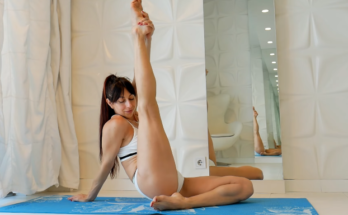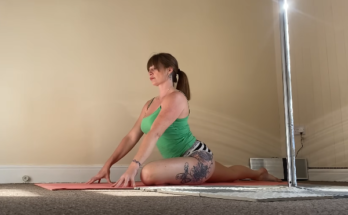

As the day comes to an end, the body and mind often carry the weight of hours spent working, moving, thinking, and reacting. Muscles may feel tight, the breath shallow, and the mind restless. A full body evening yoga practice is a gentle yet powerful way to transition from the busyness of the day into a state of relaxation, balance, and restoration. Unlike energizing morning flows, evening yoga focuses on slowing down, releasing tension, and preparing both body and nervous system for rest.
Why Evening Yoga Matters
Evening yoga is not just about stretching—it is about unwinding. Throughout the day, stress accumulates in the shoulders, neck, hips, lower back, and legs. Without conscious release, this tension can interfere with sleep, digestion, and emotional well-being. A full body evening yoga session allows the muscles to soften, the joints to regain space, and the breath to deepen.
Practicing yoga in the evening also helps regulate the nervous system. Slow movements combined with mindful breathing activate the parasympathetic response—the body’s natural “rest and digest” mode. This shift reduces cortisol levels and signals to the brain that it is safe to relax.
The Intention of a Full Body Evening Practice
A full body evening yoga session is designed to gently move every major area of the body while maintaining a calm, soothing pace. The goal is not to push flexibility or build strength aggressively, but rather to create balance and release.
Key intentions include:
- Letting go of physical tension
- Releasing mental stress and emotional buildup
- Improving circulation after a long day
- Preparing the body for deep, restful sleep
Even a short evening practice can make a noticeable difference in how you feel before bedtime.
Creating the Right Atmosphere

The environment plays an important role in evening yoga. Soft lighting, a quiet space, and minimal distractions help the body shift into a relaxed state. Practicing barefoot on a yoga mat or soft surface enhances grounding. Gentle background music or silence can support a deeper inward focus.
Many practitioners choose to light a candle, diffuse calming essential oils, or simply dim the lights to signal to the mind that the day is winding down.
Breathing as the Foundation
Breath awareness is essential in evening yoga. Slow, deep breathing calms the nervous system and helps the body release tension more effectively than movement alone. Breathing through the nose, allowing the belly to rise on the inhale and soften on the exhale, encourages relaxation.
Long exhalations are especially beneficial in the evening, as they tell the body it is time to slow down. Each breath becomes an invitation to soften, release, and let go.
Gentle Warm-Up for the Entire Body
A full body evening yoga session often begins with slow, mindful movements to awaken the joints and muscles without stimulation. Gentle neck rolls, shoulder shrugs, and wrist rotations help release upper-body tension. Soft spinal movements, such as slow forward folds or seated twists, encourage circulation and ease stiffness in the back.
These movements are not rushed. Each transition is smooth, allowing the body to settle into the present moment.
Releasing the Upper Body
The shoulders, chest, and neck are common areas where stress accumulates. Evening yoga offers gentle stretches that open the chest and relax the upper spine. Slow arm movements synchronized with breath help melt away tightness caused by prolonged sitting, phone use, or emotional stress.
As the chest opens, breathing becomes deeper and more fluid, creating a sense of emotional release and openness.
Soothing the Spine
The spine is central to full body balance. Gentle spinal flexion, extension, and rotation help maintain mobility while calming the nervous system. Slow forward folds encourage introspection and surrender, while mild backbends restore space and ease compression without overstimulation.
In evening yoga, spinal movements are held longer and approached with patience, allowing gravity and breath to do the work.
Relaxing the Hips and Lower Body

The hips and legs carry much of the day’s physical load. Whether standing, walking, or sitting for long hours, tension often builds deep within the hip joints and muscles. Evening yoga focuses on slow hip openers and leg stretches that feel grounding rather than intense.
Stretching the hamstrings, calves, and thighs improves circulation and reduces feelings of heaviness in the legs. These poses are especially helpful for people who experience restlessness or discomfort at night.
The Power of Stillness
One of the most important aspects of a full body evening yoga practice is stillness. Holding poses for longer periods allows the body to relax fully into the stretch. Muscles release not through force, but through time and breath.
Stillness also gives the mind space to settle. Thoughts naturally slow down, making it easier to disconnect from the events of the day.
Emotional Release and Mental Clarity
Evening yoga is deeply connected to emotional well-being. The gentle nature of the practice allows suppressed emotions to surface and dissolve naturally. Stress, frustration, and mental fatigue gradually soften as the body relaxes.
By focusing on breath and sensation, practitioners cultivate mindfulness, learning to observe thoughts without attachment. This mental clarity carries into the evening, improving mood and promoting a sense of peace.
Preparing the Body for Sleep

One of the greatest benefits of full body evening yoga is improved sleep quality. Relaxed muscles, slower breathing, and a calm nervous system make it easier to fall asleep and stay asleep.
Yoga before bed reduces physical discomfort and mental restlessness, two common causes of insomnia. Over time, regular evening practice helps establish a consistent sleep rhythm.
Ending with Deep Relaxation
A full body evening yoga session often concludes with a period of deep relaxation. Lying comfortably, the body is allowed to fully integrate the effects of the practice. This final rest is not passive—it is a conscious surrender into stillness.
During this time, the breath flows naturally, the heart rate slows, and the mind enters a state of deep calm. Many people describe this moment as the most healing part of the practice.
Who Can Practice Full Body Evening Yoga?
Evening yoga is suitable for almost everyone. It is especially beneficial for:
- People with stressful or demanding schedules
- Those who experience muscle tightness or fatigue
- Individuals seeking better sleep
- Beginners looking for a gentle yoga approach
- Anyone needing emotional balance and relaxation
The practice can be easily adapted to different levels, making it accessible and safe.
Making It a Daily Ritual
Consistency is more important than duration. Even 15 to 20 minutes of evening yoga can have a profound effect when practiced regularly. Over time, the body begins to associate the practice with relaxation, making it easier to unwind at night.
Turning evening yoga into a ritual—something you look forward to—helps create balance in daily life.
Conclusion
Yoga Full Body Evening is more than a physical routine; it is a mindful transition from activity to rest. Through gentle movement, conscious breathing, and intentional stillness, the body releases tension and the mind finds calm. This practice honors the natural rhythm of the day, allowing you to end each evening with balance, softness, and care.
In a world that rarely slows down, evening yoga offers a quiet space to reconnect with yourself, restore your energy, and prepare for a peaceful night ahead. 🌙✨