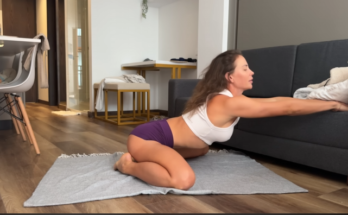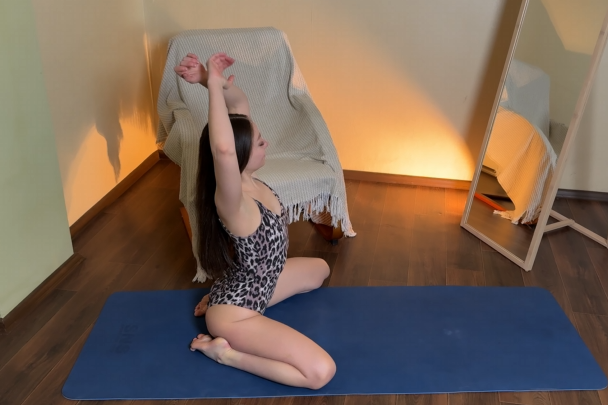
After a long, busy day, our bodies and minds crave rest. Yet, many of us struggle with falling asleep, waking up stiff, or feeling unrested in the morning. One simple, effective solution is a full-body bedtime stretch. By gently lengthening muscles, releasing tension, and calming the nervous system, stretching before bed can improve sleep quality, reduce stress, and prepare your body for restorative rest. In this guide, we’ll walk through a complete bedtime stretch routine designed to relax every major muscle group, enhance flexibility, and soothe your mind before drifting off to sleep.
Why Bedtime Stretching Works
Stretching before bed has both physical and mental benefits. Physically, it relaxes muscles that have tightened throughout the day, improves circulation, and helps release tension in the spine, neck, and shoulders. Mentally, gentle stretching encourages mindfulness, slowing down racing thoughts, and signaling to your nervous system that it’s time to wind down. Unlike vigorous exercise, which can increase heart rate and adrenaline, gentle stretching encourages parasympathetic activation—the “rest and digest” response—making it easier to fall asleep.
Bedtime stretches are especially beneficial if you sit for long hours, experience back or neck tension, or have difficulty relaxing. A consistent nightly routine primes your body to recognize when it’s time to sleep, improving both the quality and duration of rest.
Setting the Scene
Before starting, create a calm, relaxing environment. Dim the lights or use soft lamps, and ensure your bedroom is a comfortable temperature. Wear loose, breathable clothing to allow free movement. You may use a yoga mat or your bed if you prefer a softer surface. Optional elements like calming music, essential oils, or a quiet meditation timer can enhance relaxation, but the stretches themselves are effective on their own.
Warm-Up: Preparing the Body for Relaxation
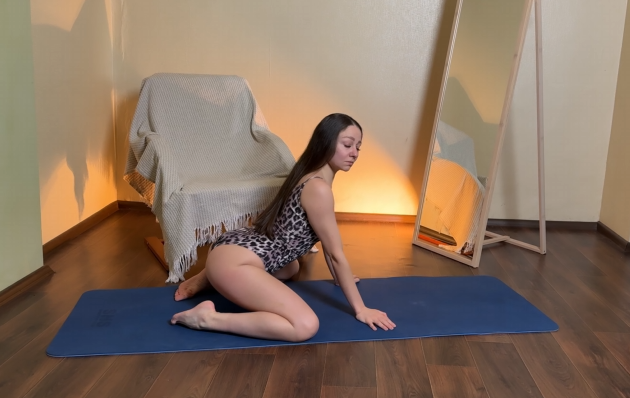
Start by lying on your back with your legs extended and arms relaxed by your sides. Take a few deep breaths, inhaling through the nose and exhaling through the mouth. Focus on releasing tension from your jaw, shoulders, and neck.
Gently roll your shoulders forward and backward, allowing your shoulder blades to move and release tension. Then, hug your knees to your chest and gently rock side to side, massaging the lower back. This simple movement prepares the spine, hips, and core for deeper stretches while encouraging a sense of comfort and calm.
Neck and Shoulder Stretch
Tension often accumulates in the neck and shoulders after long hours of work or screen time. Begin with a gentle neck stretch: tilt your head to the right, bringing your ear toward your shoulder, and hold for 15–20 seconds. Repeat on the left side. For added relief, extend your opposite arm slightly toward the floor to enhance the stretch along the side of the neck.
Next, clasp your hands behind your head or neck and gently lift your elbows, opening your chest. This stretches the shoulders and upper back while releasing tightness from slouching. Breathe deeply, allowing each exhale to melt tension away.
Spinal Twists for the Back
Spinal twists are excellent for relaxing the back and promoting a feeling of release before sleep. Lie on your back and bring your knees toward your chest. Extend your arms out to the sides in a T-shape. Gently drop both knees to the right, keeping your shoulders grounded, and hold for 20–30 seconds. Inhale to lengthen the spine, exhale to release tension. Switch sides and repeat. Twists help elongate the spine, improve flexibility, and release tight muscles along the back and hips.
Hip and Glute Stretches
Hips and glutes often store stress from prolonged sitting or activity. To release this tension, perform a figure-four stretch. Lie on your back, bend your knees, and cross your right ankle over your left thigh, forming a “4” shape. Gently pull the left thigh toward your chest, feeling the stretch in your right glute and outer hip. Hold for 20–30 seconds, then switch sides.
Next, stretch the hip flexors by bringing one knee toward your chest while keeping the other leg extended on the bed or floor. This opens the front of the hips, which can get tight from sitting or standing throughout the day. Hold each side for several breaths, focusing on lengthening the muscles rather than forcing the stretch.
Leg and Hamstring Stretch
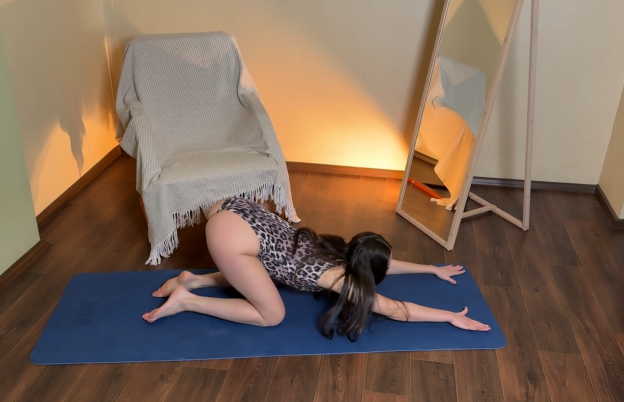
Tension in the legs can prevent full relaxation at night. Lie on your back and extend one leg toward the ceiling, keeping the other leg bent or flat on the bed. Hold the extended leg with your hands behind your thigh or calf and gently pull toward your body, stretching the hamstring. Hold for 20–30 seconds, then switch sides.
You can also point and flex your toes to release tension in the calves and feet. This simple movement improves circulation and prevents stiffness while preparing the lower body for restful sleep.
Full Body Stretch and Relaxation
For a deeper stretch, perform a reclined starfish pose. Lie on your back and spread your legs and arms wide, allowing your body to fully elongate. Close your eyes and take slow, deep breaths, imagining each exhale releasing tension from your entire body. Focus on relaxing the jaw, neck, shoulders, spine, hips, and legs simultaneously. This pose encourages total body release, promotes a sense of calm, and prepares the nervous system for sleep.
Gentle Forward Fold
For additional spinal relaxation, perform a seated forward fold on the edge of your bed. Sit with legs extended, inhale to lengthen the spine, and exhale as you fold forward over your legs. Let your head, neck, and shoulders relax completely. This forward fold stretches the back, hamstrings, and calves while promoting deep diaphragmatic breathing, which calms the mind and reduces stress.
Mindful Breathing and Visualization
Once the body is stretched, take a few minutes for mindful breathing. Inhale deeply through the nose for four counts, hold for two, and exhale slowly through the mouth for six counts. Repeat several cycles. As you breathe, visualize your body sinking deeper into the bed with each exhale, releasing tension and inviting rest.
You can also visualize a calm, peaceful scene—a gentle river, a quiet forest, or a starry night sky. Pairing visualization with stretching amplifies relaxation and prepares the mind for a deep, restorative sleep.
Benefits of a Bedtime Stretch Routine
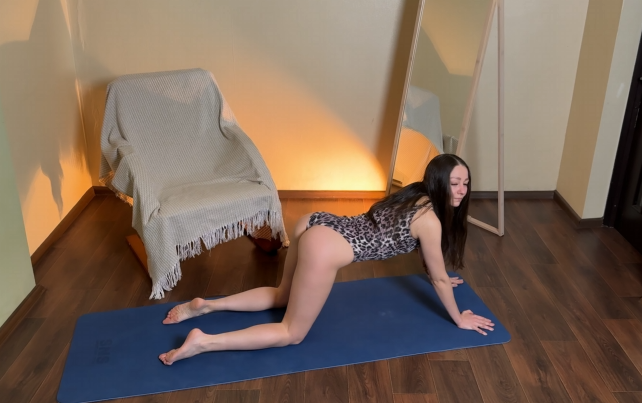
Incorporating a full-body stretch before bed offers multiple benefits:
- Improved Sleep Quality: Gentle stretching relaxes muscles and calms the nervous system, helping you fall asleep faster and sleep more deeply.
- Reduced Muscle Tension: Stretches target common areas of tightness—neck, shoulders, back, hips, and legs—preventing stiffness in the morning.
- Enhanced Flexibility: Regular nightly stretches gradually increase flexibility and range of motion.
- Mental Relaxation: Stretching encourages mindfulness, helping to release daily stress and anxiety.
- Better Circulation: Stretching improves blood flow, supporting overall health and reducing nighttime cramps or discomfort.
Tips for Consistency
To get the most from a bedtime stretch routine, consider the following tips:
- Make it a nightly ritual: Even 10–15 minutes of gentle stretching is beneficial.
- Avoid vigorous or high-intensity stretches: Focus on slow, mindful movements to encourage relaxation.
- Combine with other bedtime habits: Dim lighting, calming music, and limited screen time enhance the sleep-promoting effects of stretching.
- Listen to your body: Stretch gently and avoid pushing beyond your comfort zone.
Conclusion
A full-body bedtime stretch is a simple yet powerful way to improve sleep, release tension, and prepare your body for rest. By focusing on the neck, shoulders, spine, hips, and legs, and incorporating mindful breathing, you can create a nightly ritual that nurtures both the body and mind. Over time, this practice can enhance flexibility, reduce stress, and help you wake up feeling refreshed, energized, and ready to start the day.
Prioritizing relaxation before bed is an act of self-care. With just a few minutes each night, this bedtime stretch routine can transform your sleep quality and overall well-being. Lie down, breathe deeply, stretch gently, and allow your body to sink into the comfort of rest. Sweet dreams await.