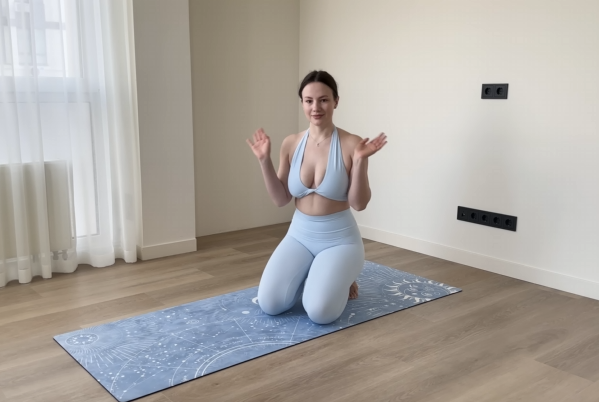
Yoga is more than just stretching—it is a powerful practice that strengthens the body, calms the mind, and aligns the spine. Among the many poses in yoga, the plank pose is one of the most effective for building core strength, improving arm stability, and enhancing overall posture. In this session, we will explore a full plank pose flow designed to challenge the body, develop muscular endurance, and cultivate mindful alignment for beginners and seasoned practitioners alike.
Why Plank Pose is Essential
The plank pose, known as Phalakasana in Sanskrit, is often underestimated. While it may appear simple at first glance, it engages multiple muscle groups simultaneously: the core, shoulders, arms, wrists, back, and legs. Practicing plank strengthens the abdominal muscles, stabilizes the spine, and promotes proper posture. A strong core is not just aesthetically pleasing; it supports balance, reduces the risk of injury, and enhances performance in other physical activities.
Plank pose also encourages spinal alignment. By keeping the spine neutral, shoulders stacked above the wrists, and hips in line with the body, practitioners develop awareness of posture and alignment. Over time, this awareness carries over into daily life, reducing slouching and promoting ergonomic movement patterns.
Warm-Up: Preparing the Body for Plank Flow

Before moving into plank sequences, it is crucial to warm up the muscles. Begin in a tabletop position on hands and knees. Ensure wrists are under shoulders and knees under hips. Take a few deep breaths, inhaling through the nose and exhaling through the mouth, allowing the spine to lengthen.
Start with cat-cow stretches: on an inhale, arch the back, lifting the head and tailbone toward the sky (cow pose). On the exhale, round the spine, tucking the chin and tailbone (cat pose). Repeat for 5–10 cycles. This movement warms the spine, loosens the shoulders, and engages the core gently.
Next, downward dog prepares the wrists, shoulders, and hamstrings. From tabletop, tuck the toes under and lift the hips toward the sky, forming an inverted V. Press through the palms and heels, lengthening the spine and stretching the back of the legs. Pedal the feet slowly to warm up the calves and hamstrings.
Finally, perform a few forearm plank holds for 10–15 seconds to activate the core before entering the main flow. This brief engagement primes the muscles, ensuring they are ready for sustained activation during the plank sequences.
The Core Strength Plank Flow
Now, we move into the plank pose flow, designed to build strength, stability, and alignment. Each movement emphasizes control, breath, and engagement of the core and upper body.
- High Plank (Full Arm Plank)
Start in high plank with wrists directly under shoulders, arms straight, and body forming a straight line from head to heels. Engage the abdominal muscles, draw the navel toward the spine, and keep the shoulders away from the ears. Hold for 20–30 seconds, focusing on breathing evenly and maintaining alignment. - Knee-to-Elbow Plank
From high plank, slowly bring your right knee toward your right elbow, keeping hips level and core engaged. Return to center and repeat on the left side. Alternate 5–10 times per side. This movement challenges the obliques and enhances spinal stability while maintaining balance through the shoulders and arms. - Side Plank (Vasisthasana) Transition
From high plank, shift your weight onto the right hand and the outer edge of your right foot. Stack the left foot on top, and lift your left arm toward the sky. Engage the core and lift the hips, forming a straight line. Hold for 15–20 seconds and repeat on the other side. Side plank strengthens the obliques, shoulders, and improves balance while teaching proper alignment of the spine in lateral movements. - Forearm Plank Variations
Transition into forearm plank by lowering onto your forearms. Keep elbows under shoulders and body in a straight line. From here, try forearm plank leg lifts: lift one leg at a time, keeping the spine neutral and core tight. Alternate 5–8 lifts per side. This variation adds glute activation while deepening core engagement. - Plank with Shoulder Taps
Return to high plank and lift one hand to tap the opposite shoulder, alternating sides. Keep hips as stable as possible, avoiding rocking or twisting. Perform 10–15 taps per side. This movement challenges the core’s anti-rotation strength while building shoulder stability and arm endurance. - Plank to Downward Dog Flow
For an active stretch and recovery, move from plank to downward dog. Inhale in plank, exhale as you lift hips, forming an inverted V. Return to plank and repeat 5–8 times. This flow improves shoulder mobility, stretches the spine, and allows the core to engage dynamically while providing a brief stretch for the hamstrings and calves.
Breath and Mindfulness

Throughout the plank flow, breath is essential. Inhale through the nose to prepare, exhale through the mouth during challenging movements, and maintain slow, steady breathing. Breath supports muscle engagement, improves endurance, and prevents tension from building in the shoulders and neck. Mindful attention to alignment ensures that the spine remains neutral, shoulders are stacked, and hips don’t sag or lift excessively.
Benefits of Core Strength Plank Flow
This plank pose flow offers multiple benefits beyond core strength:
- Stronger Arms and Shoulders: Holding plank variations engages deltoids, triceps, and biceps, promoting arm strength and endurance.
- Improved Spine Alignment: Consistent practice reinforces proper posture, reducing risk of back pain and promoting overall spinal health.
- Enhanced Balance and Stability: Side planks and dynamic transitions challenge stabilizing muscles, improving overall coordination.
- Increased Core Awareness: Deep engagement of abdominal and oblique muscles strengthens the core, improving performance in daily activities and other forms of exercise.
- Mental Focus: Concentrating on alignment, breath, and controlled movements fosters mindfulness and mental resilience.
Cool-Down and Recovery
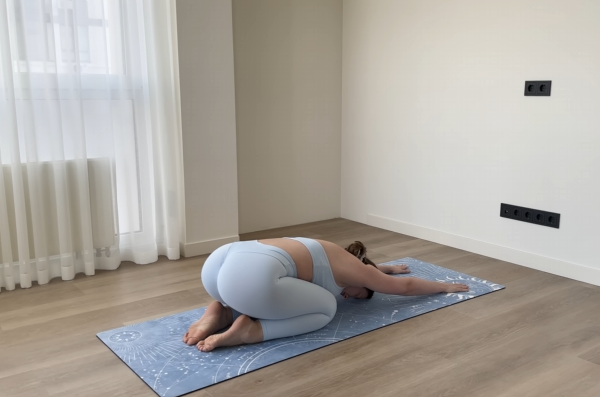
After completing the plank flow, it is crucial to cool down and release tension. Begin with child’s pose, sitting back on the heels, arms extended forward, forehead resting on the mat. Hold for 30–60 seconds, focusing on deep breathing and letting the core and shoulders relax.
Follow with spinal twists: lie on your back, knees bent, and gently drop both knees to one side while extending the arms in a T-shape. Hold for 20–30 seconds and switch sides. This stretches the spine and obliques while promoting spinal mobility.
Finish with a brief lying down relaxation (Savasana), focusing on the breath and allowing the body to integrate the benefits of the plank flow. Notice how the arms feel stronger, the core feels engaged, and the spine feels aligned and supported.
Tips for Beginners
For those new to plank flows, start with shorter holds and fewer repetitions, gradually building time and intensity as strength improves. Use props such as a yoga block under forearms if needed, and remember to keep the neck neutral to avoid strain. Consistency is key—practicing plank flows 3–4 times per week can yield noticeable improvements in strength, stability, and posture over time.
Conclusion
Core strength yoga with a plank pose flow is a powerful way to build stability, develop strong arms, and maintain proper spine alignment. By combining static holds, dynamic movements, and mindful transitions, this routine targets multiple muscle groups, improves balance, and promotes mental focus. Whether you are a beginner or an experienced yogi, incorporating plank flows into your practice will strengthen your core, enhance overall body awareness, and leave you feeling empowered, energized, and aligned.
Remember: yoga is not just about the physical—it is about connecting with your body, breath, and mind. Embrace the challenge of the plank, engage your core fully, and enjoy the transformative benefits of a strong, stable, and aligned body.