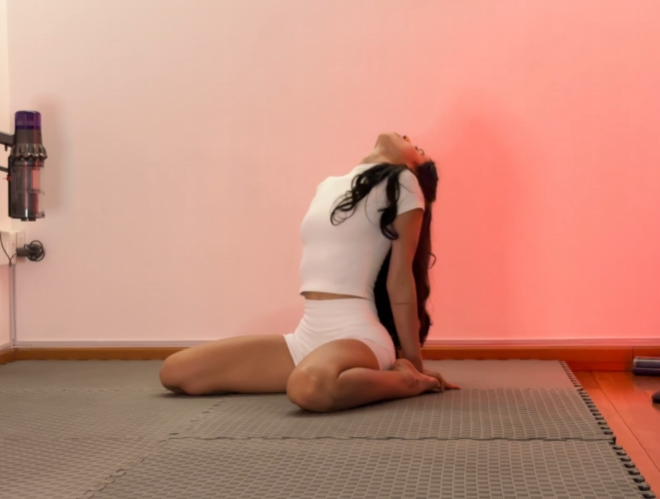
As night falls and the world slowly quiets, many people find that their minds do the opposite. Thoughts replay the day, worries drift in, and the body—tired yet tense—struggles to let go. Yoga for bedtime offers a gentle bridge between the busyness of the day and the deep rest of sleep. It is not about stretching deeply or breaking a sweat, but about easing the body and mind into a state of surrender.
Bedtime yoga is an invitation to slow down.
Unlike daytime yoga, which often focuses on energy and strength, nighttime practice centers on calmness and comfort. Movements are slow, grounded, and close to the floor—or even done directly on the bed. The goal is simple: signal to your nervous system that it is safe to rest.
The body responds remarkably well to routine. Practicing yoga before sleep creates a familiar rhythm that helps train the brain to associate certain movements and breaths with bedtime. Over time, this routine becomes a powerful cue that gently guides you toward sleep.
At the heart of bedtime yoga is the breath.
Slow, deep breathing activates the parasympathetic nervous system—the part of the body responsible for rest and recovery. When you breathe deeply into the belly and exhale slowly, the heart rate decreases, muscles soften, and the mind begins to unwind. Even a few minutes of intentional breathing can make a noticeable difference.
A simple breathing pattern works beautifully at night: inhale for four counts, exhale for six. The longer exhale encourages relaxation and signals the body that it can let go. With each breath, the day’s tension begins to melt away.
Bedtime yoga often begins in a seated or lying position.

Starting low to the ground helps the body feel supported and safe. Gentle neck rolls release the tension accumulated from screens and stress. Shoulder shrugs and slow arm movements help undo the tightness from hours of sitting or working. These small movements may seem simple, but their impact is profound.
Forward folds are especially calming at night.
They encourage introspection and quiet the nervous system. A seated forward fold, with the spine relaxed and head heavy, invites the mind to turn inward. There is no need to reach for the feet or force depth. Comfort is the priority. Supporting the body with pillows or blankets allows deeper relaxation without strain.
Twists are another key element of bedtime yoga.
Gentle, reclined twists help release the lower back and massage the internal organs, promoting digestion and ease. Twisting slowly, without forcing, wrings out physical tension and mental clutter. With each exhale, the body softens further into the shape.
Hip openers, when done gently, can be incredibly soothing.
The hips often store stress and emotional tension. Poses such as a reclined figure-four or a supported butterfly stretch allow the hips to release gradually. At bedtime, these poses should feel nurturing, not intense. The body should feel held, not challenged.
One of the most powerful aspects of yoga for bedtime is stillness.
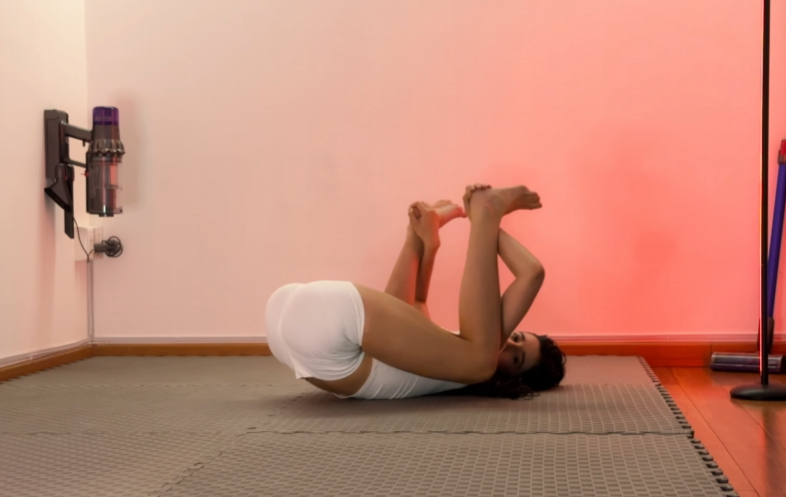
Restorative poses—where the body is supported by pillows, blankets, or the mattress itself—allow muscles to fully relax. Lying on your back with a pillow under the knees can instantly ease lower back discomfort. Placing a folded blanket over the belly adds a sense of grounding and security.
In these moments of stillness, the mind begins to quiet naturally.
Thoughts may still arise, but they lose their urgency. Instead of engaging with them, bedtime yoga teaches you to observe without attachment. This shift is essential for sleep. The mind doesn’t need to be empty; it simply needs to be less reactive.
Practicing yoga at bedtime also improves body awareness.
By tuning into sensations, you become more attuned to where you hold tension and how to release it. This awareness often carries into sleep, reducing nighttime restlessness and helping you settle more easily.
Lighting and environment matter.
Dim lighting, soft sounds, or even silence enhance the calming effect of bedtime yoga. Practicing in pajamas or comfortable clothing reinforces the message that the day is over. The space doesn’t need to be perfect—just peaceful.
Many people find that practicing yoga on the bed itself makes bedtime routines easier.
Simple stretches like knee-to-chest, gentle spinal movements, or side-lying poses can be done without ever leaving the mattress. This reduces effort and encourages consistency, especially on evenings when energy is low.
Consistency is more important than duration.
A five-minute bedtime yoga routine practiced regularly can be more effective than a long session done occasionally. The body learns through repetition. Each night, the same gentle movements and breaths reinforce the pathway to rest.
Yoga for bedtime also supports emotional regulation.
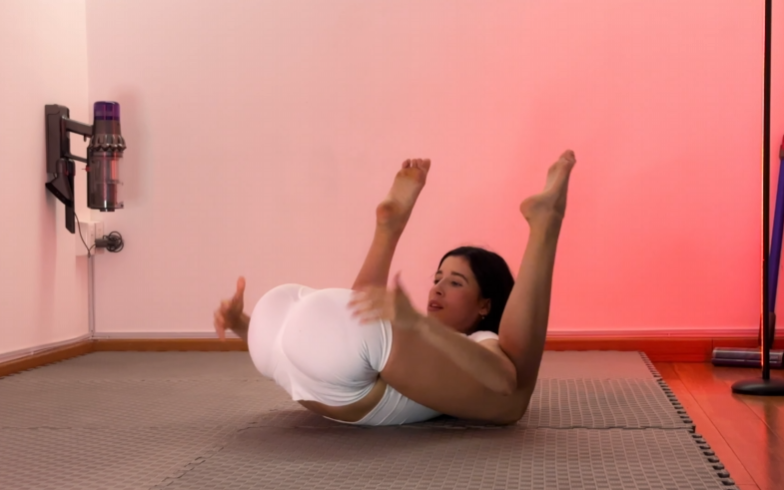
Stress and anxiety often intensify at night, when distractions fade and thoughts grow louder. Gentle movement paired with breath helps discharge excess nervous energy, making it easier to relax emotionally. Over time, bedtime yoga can reduce nighttime anxiety and improve overall sleep quality.
One often overlooked benefit is the improvement of sleep posture.
Yoga gently releases tight muscles and improves alignment, making it easier to find a comfortable sleeping position. Less tossing and turning means deeper, more restorative sleep.
Ending a bedtime yoga practice is just as important as beginning it.
A final relaxation pose—lying comfortably on the back or side—allows the body to integrate the practice. This is a perfect moment for a short body scan, mentally releasing tension from head to toe. With each exhale, you sink deeper into the bed.
Some people enjoy adding a brief intention or affirmation at the end of their practice.
Simple phrases like, “I allow myself to rest,” or “Today is complete,” help the mind let go of unfinished thoughts. These words, combined with a relaxed body, gently guide the transition into sleep.
Yoga for bedtime is not about achieving perfect poses or following strict sequences. It is about listening. Some nights, the body needs more movement; other nights, it needs stillness. Both are valid.
The beauty of bedtime yoga lies in its adaptability.
It meets you exactly where you are—tired, restless, stressed, or calm—and offers support without expectation. Over time, this practice becomes more than a routine. It becomes a ritual of self-care, signaling the end of effort and the beginning of rest.
In a world that rarely pauses, choosing to end your day with gentle movement and breath is a powerful act.
Yoga for bedtime 😴 is not just about falling asleep faster.
It’s about honoring your body, calming your mind, and welcoming rest as something you truly deserve.