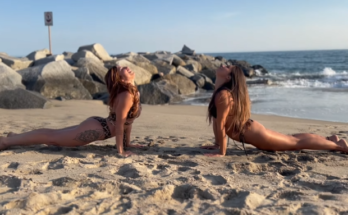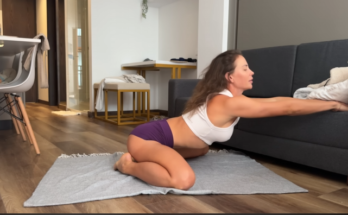
A strong core is about much more than sculpted abs. It supports posture, protects the spine, improves balance, and enhances every movement you make—both on and off the mat. Yoga offers a powerful, mindful way to build core strength by engaging deep abdominal muscles while also improving flexibility, coordination, and breath control. This Yoga for Abs practice focuses on the best core strengthening exercises to help you feel stable, confident, and energized.
Find a quiet space, roll out your mat, and prepare to move with intention. Remember, core strength in yoga comes from mindful engagement, not rushing through poses. Quality over quantity always wins.
Warming Up the Core
Begin lying on your back, knees bent, feet flat on the mat. Place one hand on your belly and the other on your chest. Take a few deep breaths, noticing how the belly rises and falls. This awareness is essential—your breath will guide your core engagement throughout the practice.
Gently draw the navel toward the spine as you exhale, activating the deep transverse abdominis muscle. Inhale to release slightly. Repeat this several times, building a connection between breath and core.
Next, bring your knees into your chest and begin slow, controlled circles. This warms the hips and lower abdominal area, preparing the body for stronger work ahead.
Dead Bug – Foundational Core Control
Extend your arms toward the ceiling and lift your legs to tabletop position, knees bent at 90 degrees. This is Dead Bug pose. Slowly extend your right arm back while extending your left leg forward, keeping the lower back pressed into the mat. Inhale to prepare, exhale as you extend.
This exercise teaches control and stability, targeting the deep core muscles. Switch sides slowly, moving with awareness. Continue for several rounds, maintaining steady breath.
Boat Pose – Building Strength and Endurance

Come up to a seated position and shift your weight slightly back. Lift your feet off the mat, knees bent, and bring your shins parallel to the floor. Extend your arms forward. This is Boat Pose.
Engage your core, lift your chest, and lengthen your spine. Hold for several breaths, keeping the belly drawn in and shoulders relaxed. If you want more intensity, straighten the legs slightly.
Boat Pose strengthens the rectus abdominis while also improving balance and focus.
Plank Pose – Total Core Activation
Move into Plank Pose, shoulders stacked over wrists, body in one straight line. Engage your core, squeeze your thighs, and press the floor away.
Plank works the entire core, including the abs, obliques, and lower back. Hold for 20–40 seconds, breathing steadily. To modify, lower your knees to the mat while keeping the core engaged.
For an added challenge, shift forward and back slightly, maintaining control and alignment.
Side Plank – Sculpting the Obliques
From Plank, shift your weight onto your right hand and outer right foot, stacking the left foot on top. Lift your left arm toward the sky. This is Side Plank.
Feel the side body engage, especially the obliques. Keep the hips lifted and chest open. Hold for several breaths, then switch sides.
Side Plank builds lateral core strength and improves shoulder stability.
Dolphin Pose – Core and Shoulder Strength

Lower your forearms to the mat and come into Dolphin Pose. Walk your feet slightly closer to your elbows, lifting the hips high.
Engage the core by drawing the ribs in and lengthening the spine. Hold for several breaths. This pose strengthens the core while also preparing the body for inversions.
Yoga Bicycle – Dynamic Abdominal Work
Lie back down on the mat. Place your hands lightly behind your head, elbows wide. Lift your shoulders off the mat and bring your knees into tabletop.
Extend your right leg while twisting your torso to bring the left elbow toward the right knee. Switch sides slowly, keeping the movement controlled and the breath steady.
This yoga-inspired bicycle targets the obliques and rectus abdominis while maintaining mindfulness.
Low Boat Hold – Deep Core Burn
Return to Boat Pose, but this time lower your legs and torso slightly, hovering just above the mat. This is Low Boat.
Hold for a few breaths, keeping the core deeply engaged. If needed, lift back into regular Boat Pose to rest, then lower again.
Low Boat challenges endurance and builds deep abdominal strength.
Forearm Plank with Knee Taps
Come into Forearm Plank. Slowly lower your right knee toward the mat, hover without touching, then lift it back up. Alternate sides.
This movement increases time under tension for the core and encourages stability through the pelvis.
Leg Raises – Lower Ab Focus
Lie flat on your back with legs extended. Place your hands under your hips for support if needed. Lift both legs up toward the ceiling, then slowly lower them down, stopping before your lower back arches.
Lower abs are often the most challenging to strengthen. Move slowly and keep the movement controlled.
Locust Pose – Core Balance and Back Support

Roll onto your belly and place your arms alongside your body. Lift your chest, arms, and legs slightly off the mat.
Though it looks like a back exercise, Locust Pose strengthens the entire core, including the lower back, which is essential for balanced abdominal strength.
Cooling Down and Stretching
After all that effort, your body deserves gentle release. Come into Child’s Pose, allowing the belly to soften and the spine to relax.
Move into a gentle Supine Twist on both sides, releasing tension in the core and lower back.
Finally, stretch out in Savasana. Place one hand on your belly and feel the natural rise and fall of the breath.
Final Thoughts
Yoga for abs is about creating intelligent strength that supports your entire body. These core strengthening exercises build not only physical power, but also awareness, control, and balance.
Practiced consistently, this sequence will help improve posture, reduce back pain, enhance athletic performance, and support daily movement. Remember, strong abs come from mindful engagement and patience—not force.
Return to this practice whenever you want to feel grounded, empowered, and strong from the center outward.