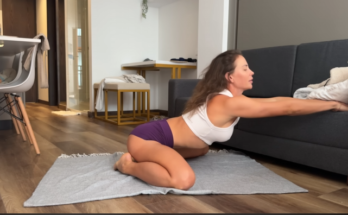
Flexibility is a cornerstone of performance in contortion, gymnastics, dance, and yoga. Among the most transformative stretches for the hips, hamstrings, and inner thighs are the front and middle splits, as well as Frog Pose. Mastering these poses requires not just natural elasticity, but consistent practice, proper alignment, and mindful engagement of the body’s deep muscles. Incorporating splits and Frog Pose into a workout routine can improve mobility, enhance athletic performance, and prevent injuries while promoting graceful movement.
Splits are often considered a benchmark for flexibility, appearing across gymnastics, dance, yoga, and contortion training. Front splits, or Hanumanasana in yoga, open the hip flexors, quadriceps, and hamstrings. They allow the legs to extend fully in opposite directions, creating both a physical stretch and a mental exercise in patience. Middle splits, sometimes referred to as straddle splits, target the inner thighs, groin, and adductors. Both variations require strength as well as flexibility; the muscles must be engaged to protect the joints while holding the pose.
Frog Pose is another critical stretch, especially for those working toward advanced flexibility. By positioning the knees outward and lowering the hips toward the ground, Frog Pose creates a deep opening in the inner thighs and hips. Unlike splits, Frog Pose emphasizes external rotation and controlled sinking into the stretch, training the body to maintain alignment while allowing the muscles to lengthen safely. This pose is especially useful for contortionists and dancers who need both depth and control in wide-leg positions.

A balanced practice begins with proper warm-up. The hips, hamstrings, and lower back should be gently activated before attempting deep stretches. Dynamic movements, such as leg swings, lunges, and hip circles, increase blood flow and prepare the muscles for lengthening. Core activation is equally important; a strong core supports the pelvis and prevents compression of the lower back during splits and Frog Pose.
For front splits, a gradual approach is key. Start in a low lunge, ensuring the hips are square and aligned with the front knee. Shift the back knee slightly backward while keeping the chest lifted. Slowly slide the front foot forward, stopping before discomfort turns into strain. Breathing deeply into the hips allows the muscles to relax and gradually lengthen. Consistent practice over weeks or months produces safe, sustainable progress.
Middle splits require attention to alignment and gradual progression. Begin seated with the legs extended in a wide V-shape. Lean slightly forward from the hips while keeping the spine long. Avoid forcing the knees toward the ground; instead, let gravity and breath guide the descent. Frog Pose complements middle splits by training the adductors and hip rotators, creating a foundation for safer straddle positions. Moving between Frog Pose and middle splits can dynamically strengthen the hips, increasing control in both poses.

Contortion training emphasizes extreme flexibility combined with strength and precision. For advanced athletes, combining splits and Frog Pose with backbends, leg lifts, and transitions teaches the body to maintain alignment at the end range of motion. For instance, practicing a front split while reaching overhead or arching the back strengthens the core and supports spinal health, while Frog Pose variations can improve lateral mobility and hip stability.
Dance also benefits from these stretches. Ballet dancers rely on split flexibility for high leg extensions and floor work. Contemporary dancers use splits and Frog Pose to move fluidly between levels and shapes, creating visually stunning lines. In both disciplines, flexibility must be paired with muscular control to maintain aesthetic form and prevent injury.
Yoga practitioners incorporate splits and Frog Pose to cultivate both flexibility and mindfulness. Hanumanasana and Frog Pose encourage awareness of the body’s limits and breath control. Holding these positions requires patience, focus, and the ability to release tension, which mirrors the mental discipline found in meditative practices. Yoga adds the advantage of lengthening connective tissues gently while training postural stability.
A typical workout incorporating splits and Frog Pose begins with dynamic stretching, then transitions into targeted flexibility exercises. Start with leg swings, lunges, and gentle hip rotations. Move into Frog Pose, holding for 30 to 60 seconds while breathing deeply and ensuring alignment. Next, practice front splits on each leg, using props such as yoga blocks if necessary to maintain comfort. Gradually, transition into middle splits, alternating between static holds and gentle rocking motions to engage the muscles dynamically. Finish with spinal twists, seated forward folds, or restorative poses to release tension and aid recovery.

Consistency is vital. Flexibility does not improve overnight. Daily or regular practice, even in short sessions of 10 to 20 minutes, produces better long-term results than infrequent, intensive stretching. Athletes should always respect their body’s limits, gradually increasing the range of motion while avoiding pain or sharp discomfort. Proper warm-up and cool-down routines prevent injury and promote muscle recovery.
Combining splits and Frog Pose with strength exercises ensures that flexibility is functional. Core strengthening, glute activation, and hip stabilizer exercises support extreme ranges of motion. For example, holding a split while engaging the quadriceps and glutes prevents collapsing of the pelvis. In Frog Pose, pressing the hands into the ground and slightly activating the inner thighs maintains control and protects the knees and hips.
Advanced practitioners can incorporate dynamic variations. Frog Pose swim-throughs, lateral shifts, and side-to-side rocking increase active mobility. In splits, gentle leg lifts, small pulses, or transitions to half splits engage stabilizing muscles while deepening flexibility. These variations enhance athletic performance, preparing the body for gymnastics maneuvers, dance leaps, or contortion poses.
Recovery and care are equally important. After intense stretching, muscles should be cooled down with light movement, gentle stretching, or restorative poses. Foam rolling or myofascial release can aid in recovery of tight hip flexors, hamstrings, and inner thighs. Hydration, proper nutrition, and rest support connective tissue health, allowing for safe progress in splits and Frog Pose over time.
The benefits of incorporating splits and Frog Pose into a fitness routine extend beyond aesthetics. Improved hip mobility enhances posture, reduces lower back strain, and increases overall range of motion for athletic activities. Strong, flexible hips contribute to better balance, agility, and coordination, which are essential in gymnastics, dance, yoga, and everyday movement.
Mental discipline is another benefit. Achieving a full front split or mastering Frog Pose requires patience, focus, and acceptance of gradual progress. Practitioners develop a keen sense of body awareness, learning to distinguish between productive tension and harmful strain. Over time, this awareness enhances performance, reduces injury risk, and cultivates a mindful approach to physical challenges.
In conclusion, splits and Frog Pose form a powerful combination for anyone pursuing contortion, gymnastics, dance, yoga, or general fitness. By integrating dynamic and static stretching, strength training, and mindful practice, individuals can achieve greater hip mobility, leg flexibility, and overall body control. These poses are not just about reaching extreme ranges—they teach the body to move with awareness, stability, and grace.
Whether you are a gymnast striving for elegant lines, a dancer seeking fluid transitions, a yogi deepening flexibility, or a fitness enthusiast enhancing hip mobility, splits and Frog Pose provide a comprehensive approach. Through consistent practice, attention to alignment, and integration of strength and control, these foundational poses unlock the full potential of the hips and legs, creating a versatile, resilient, and graceful body.
Progress may be slow at times, but every step—every millimeter gained in the splits or every deeper inch in Frog Pose—is a victory. The journey is as important as the destination. With patience, discipline, and mindful engagement, flexibility and control in splits and Frog Pose can transform performance, enhance athleticism, and cultivate a deeper connection with the body.