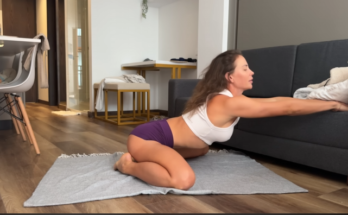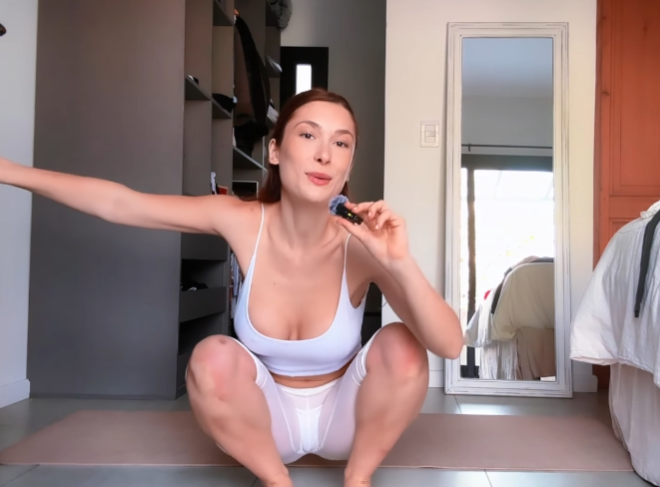
Finding time for movement can be challenging, especially for beginners who may feel overwhelmed by long workouts or complex routines. That’s why short yoga sessions are so powerful. A four-minute yoga stretch can gently awaken the body, calm the mind, and build consistency without pressure. Part 2 of this beginner-friendly stretch continues where the first routine left off, focusing on deeper relaxation, improved flexibility, and mindful breathing—perfect for home practice, busy schedules, or moments when you just need a reset.
This short sequence is designed for everyone, especially those new to yoga. There’s no need for experience, special equipment, or advanced flexibility. All you need is a small space, comfortable clothing, and four uninterrupted minutes to reconnect with your body.
Why Short Yoga Sessions Work
Many beginners believe yoga must be long and intense to be effective. In reality, even a few minutes of mindful movement can make a real difference. Short sessions help:
- Reduce stiffness from sitting or inactivity
- Improve circulation and mobility
- Calm the nervous system
- Build a habit of daily movement
- Increase body awareness without exhaustion
A four-minute stretch is less intimidating and easier to commit to, which makes it ideal for beginners. Over time, these small sessions create lasting physical and mental benefits.
Preparing for Your 4-Minute Stretch

Before starting, find a quiet, comfortable space. A yoga mat is helpful but not necessary—carpet or a folded towel works fine. Stand or sit comfortably and take one deep breath in through your nose, then slowly exhale through your mouth.
Let go of expectations. This is not about pushing your limits. It’s about gentle movement, breath awareness, and feeling good in your body.
Minute 1: Seated Neck and Shoulder Release
Begin seated, either cross-legged on the floor or on a chair with your feet flat on the ground. Sit tall, allowing your spine to lengthen naturally.
- Gently drop your right ear toward your right shoulder. Hold for two slow breaths.
- Return to center, then tilt your head to the left.
- Slowly roll your chin toward your chest, releasing the back of the neck.
Next, move into shoulder rolls. Lift your shoulders up toward your ears, roll them back, and let them drop down. Repeat several times, then reverse the direction.
This first minute helps release tension commonly stored in the neck and shoulders, especially for those who spend time on phones or computers.
Minute 2: Seated Spinal Stretch and Side Bend
Stay seated and bring both hands to your knees.
- Inhale as you gently lift your chest and lengthen your spine.
- Exhale as you round your back slightly, drawing your chin toward your chest.
Repeat this slow spinal movement for several breaths, flowing gently with your breath.
Then, move into a side stretch:
- Inhale and lift your right arm overhead.
- Exhale and lean gently to the left, keeping both hips grounded.
- Hold for two breaths, then switch sides.
This minute improves spinal mobility, stretches the sides of the body, and encourages deeper breathing.
Minute 3: Standing Forward Fold and Gentle Leg Stretch
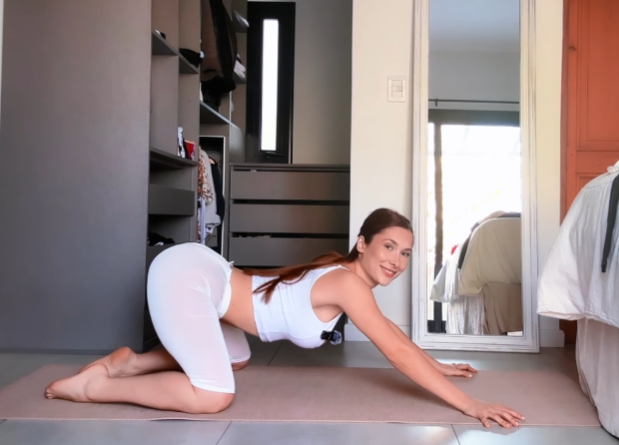
Slowly transition to standing. Stand with your feet hip-width apart.
- Inhale and reach your arms overhead.
- Exhale and slowly fold forward, bending your knees as much as needed.
Let your head and arms hang heavy. There’s no need to touch your toes. The goal is to release tension in the spine and the backs of the legs.
You can gently sway side to side or bend one knee at a time to deepen the stretch. Take slow, steady breaths here, allowing gravity to do the work.
This stretch helps relieve lower back tension and improves circulation to the brain, promoting calm and focus.
Minute 4: Gentle Squat and Standing Reset
From your forward fold, slowly bend your knees and come into a gentle squat if it feels comfortable. Keep your heels on the ground or supported if needed.
- Bring your hands together at your chest.
- Sit tall, opening your chest and relaxing your shoulders.
Hold for a few breaths, then slowly press through your feet to stand back up. Roll your shoulders back and take one final deep breath in.
As you exhale, allow your arms to fall naturally by your sides.
This final minute helps open the hips, strengthen the legs gently, and bring your body back to a balanced standing position.
Breathing Tips for Beginners
Throughout this four-minute routine, breathing is just as important as movement. Try to:
- Breathe in through your nose and out through your nose or mouth
- Move slowly with your breath
- Avoid holding your breath during stretches
If you ever feel dizzy or uncomfortable, pause and return to normal breathing.
Modifications and Comfort
Yoga is personal. If any movement feels uncomfortable, skip it or modify it. Use a chair for support if standing poses feel unstable. Bend your knees generously during forward folds. Rest whenever you need to.
There is no “right” or “wrong” way to practice—only what feels right for your body today.
Benefits You’ll Notice Over Time
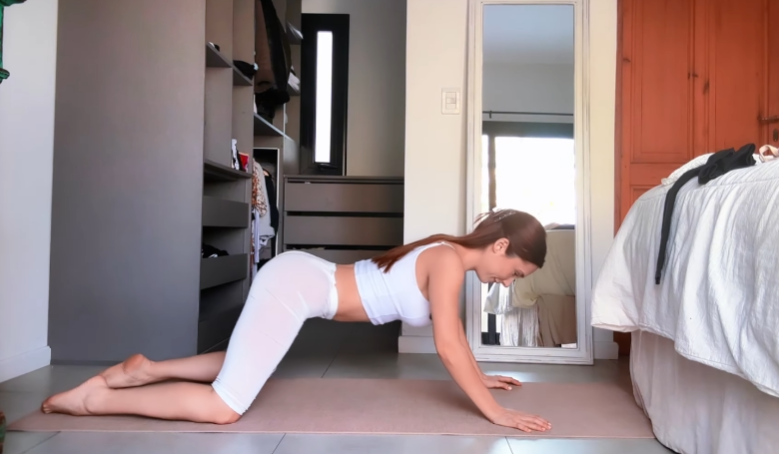
Practicing this four-minute yoga stretch regularly can lead to:
- Reduced stiffness and muscle tension
- Improved posture and flexibility
- Better body awareness
- Increased relaxation and mental clarity
- Greater confidence in movement
Consistency matters more than duration. A few minutes each day can be more powerful than an occasional long session.
When to Practice This Routine
This beginner-friendly stretch can be done:
- In the morning to wake up the body
- During a work break to release tension
- In the evening to unwind before bed
- Anytime you feel stiff, stressed, or low on energy
Because it’s short and gentle, it fits easily into any routine.
Final Thoughts
4 Minute Yoga Stretch For Beginners (Part 2) is a reminder that self-care doesn’t need to be complicated. You don’t need an hour, advanced poses, or perfect flexibility. You just need a few minutes of mindful movement and breath.
Each time you step onto your mat—or simply pause to stretch—you’re choosing to support your body and mind. Over time, these small moments of care add up to lasting change.
Be patient with yourself. Move gently. Breathe deeply. And remember: every stretch, no matter how short, is a step toward feeling better in your body. 🧘♀️✨