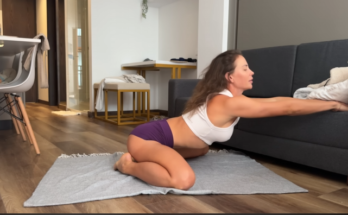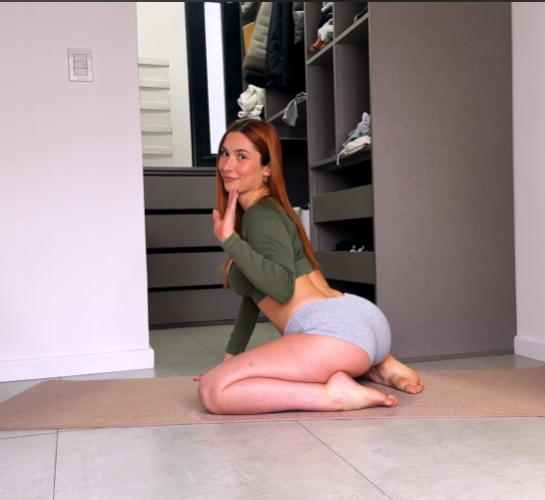
In a world that moves faster every day, finding moments of calm can feel like a luxury. Work deadlines, family responsibilities, constant notifications, and the quiet pressure to always be productive leave many people feeling tense, tired, and disconnected from their own bodies. This is where yoga and stretching at home become not just an activity, but a sanctuary—a gentle return to balance, breath, and self-care.
Practicing yoga and stretching at home is one of the simplest yet most powerful ways to care for both body and mind. You don’t need a large space, expensive equipment, or years of experience. All you need is a small corner, a little time, and the willingness to listen to your body.
Why Practice Yoga and Stretching at Home?
Home practice offers freedom. There’s no pressure to perform, no comparison with others, and no rigid schedule. You can move slowly on days when energy is low and challenge yourself when you feel strong. This flexibility makes yoga and stretching accessible to everyone, regardless of age, fitness level, or experience.
Physically, yoga and stretching help reduce muscle tension, improve flexibility, support joint health, and enhance posture. Many people spend hours sitting at desks or looking down at phones, leading to stiff necks, tight hips, and aching backs. Gentle stretches counteract these effects by lengthening muscles and increasing blood flow.
Mentally, yoga is a powerful stress reliever. Deep breathing combined with mindful movement calms the nervous system, lowers cortisol levels, and brings the mind into the present moment. Even a short session can leave you feeling clearer, lighter, and more grounded.
Creating a Peaceful Home Practice Space
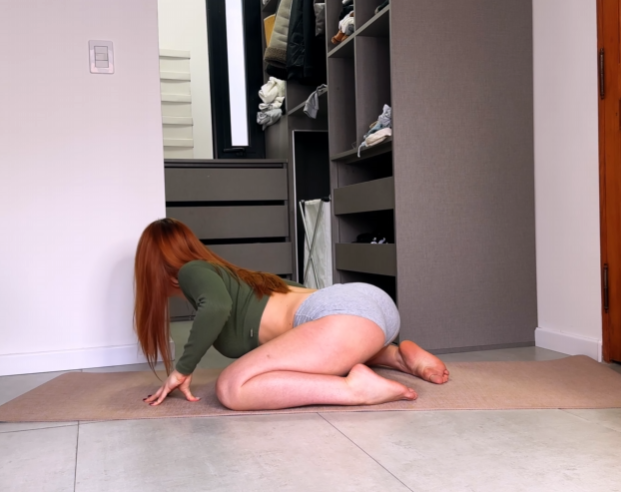
Your yoga space doesn’t need to be perfect—it just needs to feel safe and comfortable. A yoga mat is helpful but not required; a towel or carpet works just fine. Choose a spot with enough room to stretch your arms and legs without obstruction.
You might enhance the atmosphere with soft lighting, a candle, calming music, or natural light from a window. These small touches signal to your mind that this is your time. Over time, simply stepping into this space can trigger a sense of calm and readiness to move.
Wear comfortable clothing that allows you to move freely. Bare feet are ideal, as they help with balance and connection to the ground.
The Importance of Breath
Breathing is the foundation of yoga. Before you even begin stretching, take a moment to focus on your breath. Inhale slowly through your nose, letting your belly expand. Exhale gently, allowing your shoulders and jaw to soften.
This type of breathing—often called diaphragmatic or belly breathing—activates the parasympathetic nervous system, which tells your body it is safe to relax. Throughout your practice, let your breath guide your movements. Inhale to lengthen or lift, exhale to release or deepen a stretch.
If your breath becomes strained, it’s a sign to ease off. Yoga is not about forcing the body; it’s about meeting yourself where you are.
Gentle Warm-Up Stretches
Starting with a warm-up prepares your body for deeper stretches and reduces the risk of injury. Begin with slow, mindful movements:
- Neck rolls: Gently tilt your head side to side, releasing tension in the neck and shoulders.
- Shoulder rolls: Lift your shoulders toward your ears, roll them back and down.
- Spinal movements: Simple cat-cow stretches help warm the spine and improve mobility.
- Hip circles: Slowly circle your hips to release stiffness, especially helpful after long periods of sitting.
These movements may seem simple, but they are incredibly effective in waking up the body and creating awareness.
Foundational Yoga Poses for Home Practice
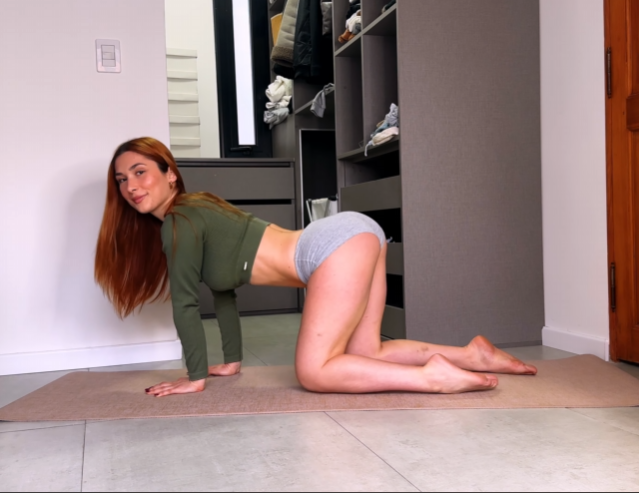
You don’t need to master advanced poses to benefit from yoga. Some of the most basic poses offer the deepest relief.
- Mountain Pose: Standing tall with feet grounded, this pose improves posture and body awareness.
- Forward Fold: Gently stretching the back of the body, this pose calms the mind and releases tension in the spine.
- Downward-Facing Dog: A full-body stretch that lengthens the spine, hamstrings, and calves while strengthening the arms.
- Child’s Pose: A resting posture that gently stretches the back and hips, offering deep relaxation.
- Seated Twist: Helps improve spinal mobility and aids digestion.
Hold each pose for several breaths, focusing on how your body feels rather than how it looks.
Stretching for Common Problem Areas
Many people turn to yoga and stretching at home to relieve specific discomfort. Targeted stretches can make a noticeable difference.
For tight hips:
Hip flexor stretches, seated butterfly stretches, and gentle lunges help release stored tension, especially for those who sit a lot.
For lower back pain:
Knees-to-chest stretches, spinal twists, and child’s pose can provide soothing relief.
For neck and shoulders:
Neck stretches, shoulder rolls, and chest-opening poses help counteract slouching and screen time.
For tired legs:
Hamstring stretches, calf stretches, and legs-up-the-wall pose reduce fatigue and improve circulation.
Always stretch slowly and avoid bouncing. Stretching should feel relieving, not painful.
The Role of Consistency
One of the biggest benefits of practicing at home is consistency. Even 10–15 minutes a day can create meaningful change over time. Short, regular sessions are often more effective than occasional long workouts.
Morning practice can energize the body and set a calm tone for the day. Evening practice helps release stress, ease muscle tension, and prepare the body for rest. Choose a time that fits naturally into your routine so it feels sustainable, not like another obligation.
to Your Body
Yoga teaches body awareness. Some days you’ll feel flexible and strong; other days you’ll feel stiff or tired. Both are okay. Progress in yoga is not linear, and there is no finish line.
If something doesn’t feel right, modify it or skip it entirely. Use props like pillows, blocks, or folded towels for support. Rest whenever you need to. Respecting your limits is not weakness—it’s wisdom.
Yoga as Mental and Emotional Care
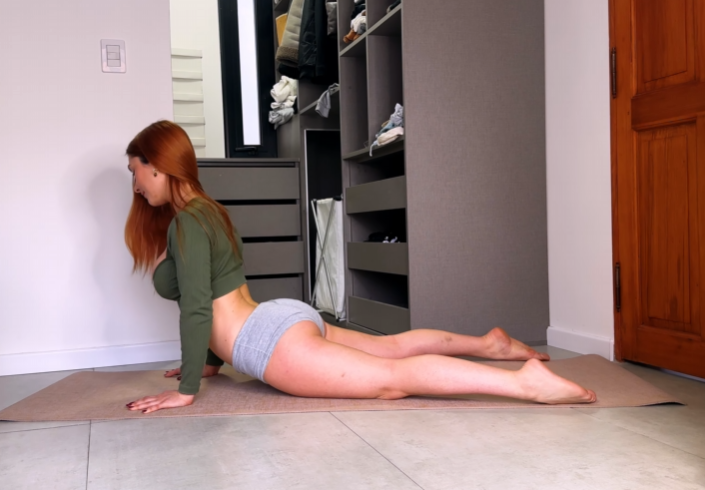
Beyond physical benefits, yoga and stretching offer emotional release. The body stores stress, emotions, and tension in subtle ways. Gentle movement combined with breath can unlock feelings you didn’t realize you were holding onto.
Some days, this may show up as deep relaxation. Other days, you might feel unexpectedly emotional. This is a natural part of the process. Allow whatever arises without judgment.
Many people find that yoga improves focus, patience, and self-compassion. It becomes a space where you’re not trying to fix yourself—just understand and support yourself.
Ending Your Practice: Rest and Gratitude
Always end your practice with a moment of stillness. Lie down in Savasana (corpse pose), letting your body fully relax into the floor. Close your eyes. Let your breath return to its natural rhythm.
This final rest allows the nervous system to integrate the benefits of your practice. Even one or two minutes can be powerful.
Before getting up, take a moment to notice how you feel. Offer yourself gratitude for showing up—for moving, breathing, and caring for your body.
A Practice That Grows With You
Yoga and stretching at home are not about perfection. They are about presence. Over time, your practice will evolve along with your life. What begins as a way to stretch sore muscles may become a daily ritual of peace. What starts as physical movement may grow into a deeper connection with yourself.
No matter your age, ability, or schedule, your mat is always waiting. Each breath is a new beginning. Each stretch is an act of kindness toward your body.
In the quiet of your home, with nothing to prove and nowhere else to be, yoga and stretching become more than exercise—they become a gentle reminder that balance, strength, and calm are already within you. 🧘♀️✨