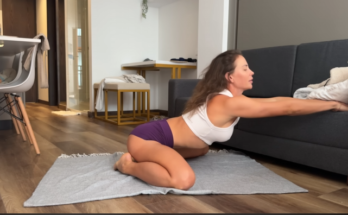
In modern life, tight hips and inner thighs have become almost universal. Long hours of sitting, limited movement, stress, and lack of mindful stretching all contribute to stiffness in these areas. Over time, this tightness can affect posture, mobility, and even emotional well-being. 4 Minute Supine Yoga for Tight Hips & Inner Thighs offers a short yet deeply effective solution—one that can be practiced anywhere, at any time, simply by lying down and breathing with awareness.
Supine yoga, practiced on the back, is especially gentle and accessible. By removing the need to balance or support body weight, the muscles are allowed to relax more fully. This makes supine poses ideal for releasing deep tension in the hips and inner thighs, areas that often resist opening when approached too forcefully. In just four minutes, this practice invites the body to soften, the breath to deepen, and the mind to slow down.
The beauty of a short practice lies in its simplicity. Four minutes may seem brief, but when approached with intention, it can be surprisingly powerful. Instead of rushing through movements, the focus is on quality over quantity. Each stretch is held with awareness, allowing the nervous system to feel safe enough to release. This sense of safety is key, especially when working with chronically tight muscles.
The practice begins by settling onto the mat, allowing the spine to rest naturally against the floor. The ground supports your weight completely, encouraging a sense of surrender. This initial stillness is important. It signals to the body that it is time to rest, not perform. With each breath, the belly rises and falls, gently massaging the internal organs and calming the nervous system.
Hips and inner thighs are closely connected to the pelvis, an area associated with stability and emotional grounding. When these muscles are tight, people often feel restricted not just physically, but emotionally as well. Supine yoga works subtly, inviting release without demanding it. The stretches may feel mild at first, but their effects deepen with each exhale.
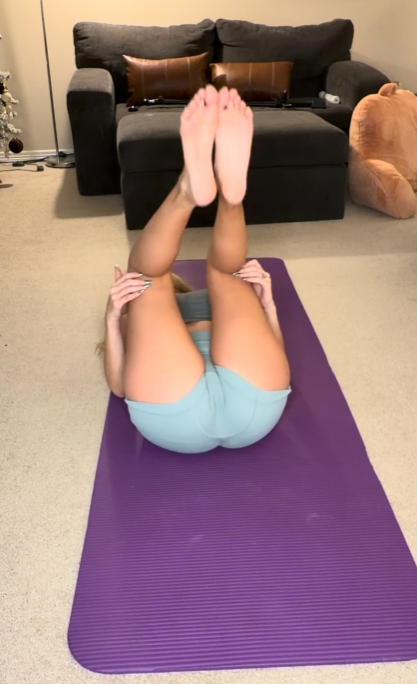
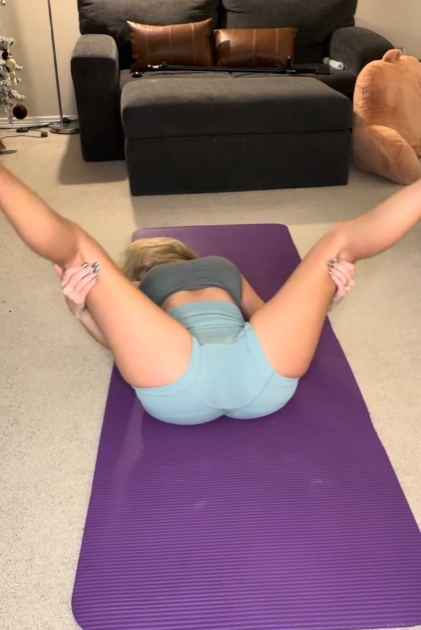
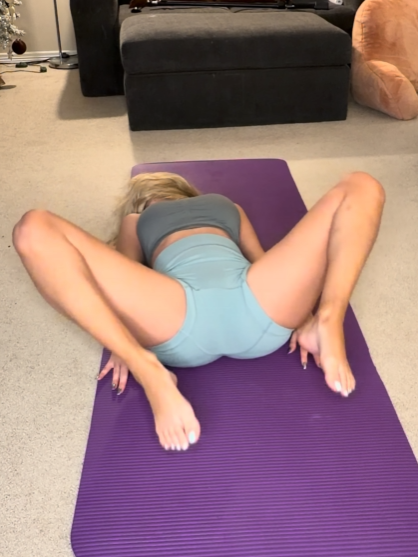
One of the first movements often involves opening the legs wide while remaining supported by the floor. This simple action begins to stretch the inner thighs, also known as the adductors. These muscles are often neglected, yet they play a crucial role in hip stability and balance. As the legs gently fall open, gravity does the work, allowing tension to melt away naturally.
Breathing remains central throughout the practice. Inhaling creates space; exhaling encourages release. The breath becomes a tool for communication with the body. Rather than forcing the legs or hips to open, the breath invites them to soften at their own pace. This approach builds trust and reduces the risk of strain or injury.
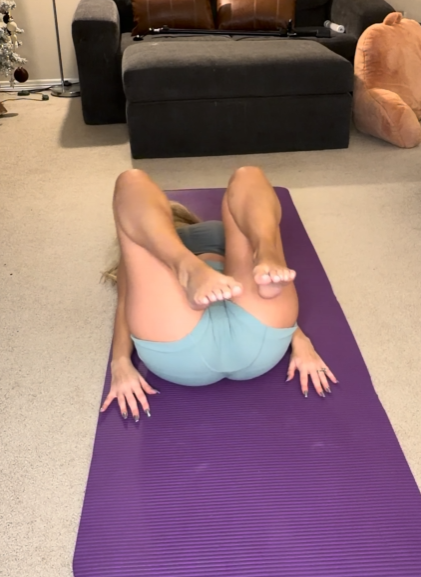
As the practice continues, gentle hip movements are introduced. Knees may be drawn in toward the chest and then allowed to open outward. This motion massages the hip joints and increases circulation. Because the body is supported by the floor, these movements feel safe and nourishing, even for beginners or those recovering from fatigue or stress.
Supine hip openers are especially beneficial for people who experience lower back discomfort. Tight hips often pull on the lower spine, creating tension and pain. By releasing the hips and inner thighs, pressure on the lower back is reduced. Many practitioners notice immediate relief, even after just a few minutes.
Emotionally, the hips are known to store stress and unresolved feelings. During supine stretches, it is not uncommon to experience a sense of emotional release—perhaps a sigh, a wave of calm, or a feeling of lightness. This is a natural response as the body lets go of holding patterns. The practice encourages allowing these sensations without judgment or analysis.
What makes this four-minute sequence especially effective is its adaptability. It can be done in the morning to wake up the body gently, during a work break to counteract prolonged sitting, or in the evening to prepare for rest. Because it requires minimal effort, it is easier to maintain consistency. And in yoga, consistency matters more than intensity.
The inner thighs, often overlooked in many workouts, benefit greatly from this focused attention. When these muscles are tight, they can limit hip mobility and affect walking, running, and even sitting comfortably. Supine yoga addresses them directly, yet kindly. Over time, regular practice can improve flexibility, reduce stiffness, and enhance overall movement quality.
As the practice nears its end, movements become smaller and slower. The body is given time to absorb the effects of the stretches. Knees may come together, feet resting comfortably, allowing the hips to settle into a neutral position. This integration phase is essential, helping the nervous system register the release and relaxation.
Even in such a short practice, mindfulness plays a significant role. By paying attention to subtle sensations, you strengthen the mind-body connection. This awareness often carries into daily activities, making you more conscious of posture, movement, and tension patterns. Small adjustments throughout the day can prevent tightness from building up again.
The final moments are often spent in stillness. Lying flat on the back, arms relaxed, eyes closed, you simply breathe. In this quiet, the body continues to release on its own. Muscles soften, the heart rate slows, and the mind becomes clear. This stillness, though brief, can feel profoundly restorative.
4 Minute Supine Yoga for Tight Hips & Inner Thighs proves that effective self-care does not require long sessions or complex routines. Sometimes, the most meaningful changes come from short, intentional practices. By giving yourself just four minutes of attention and care, you create space for ease and balance to return.
This practice also serves as a reminder that the body responds best to kindness. Forcing flexibility often leads to resistance, while gentle, mindful stretching encourages cooperation. Supine yoga embodies this philosophy, offering support and ease rather than challenge and strain.
Over time, incorporating this short sequence into your routine can lead to noticeable improvements. Hips feel more open, inner thighs more relaxed, and overall movement more fluid. Beyond the physical benefits, the practice fosters a sense of calm and grounding that can positively influence your entire day.
In a fast-paced world, four minutes may seem insignificant. Yet, when those minutes are dedicated to listening, breathing, and releasing, they become powerful. This supine yoga practice invites you to pause, lie down, and reconnect with your body—reminding you that even the smallest moments of care can create meaningful change.