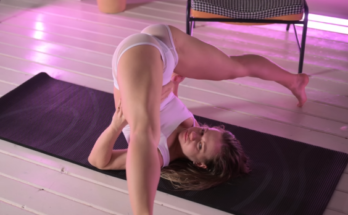
As the day begins to fade and the world outside slowly quiets, your body and mind carry the weight of everything you’ve experienced—tasks completed, conversations held, worries carried, emotions felt. Evening is not just the end of the day; it is a transition. Evening Yoga Routine To Calm Your Mind is an invitation to honor that transition, to gently release the tension of the day, and to prepare yourself for rest with intention and care.
This practice is not about effort or achievement. It is about slowing down. It is about letting go of what no longer needs your attention. Through gentle movement, mindful breathing, and moments of stillness, this evening routine helps your nervous system shift from alertness into calm, creating space for deep relaxation and restorative sleep.
Why Evening Yoga Is Essential for Mental Calm
Throughout the day, the nervous system is often in a state of high alert. Deadlines, screens, noise, and responsibilities keep the mind active and the body tense. Even when the day ends, the mind may continue racing, replaying events or worrying about tomorrow.
Evening yoga works because it signals closure.
Slow, deliberate movements combined with calming breath patterns tell the body that it is safe to rest. Stress hormones begin to decrease, muscle tension eases, and the mind gradually quiets. Unlike more active forms of exercise, evening yoga is designed to soothe rather than stimulate.
Practicing in the evening helps create a ritual—an intentional pause that separates the busyness of the day from the stillness of night.
Setting the Tone: Creating a Calm Space
Before the routine begins, the environment matters. Evening yoga does not require much—just a few intentional choices.
Dim the lights or light a candle. Turn off unnecessary screens. Choose comfortable clothing that allows free movement. If possible, play soft music or enjoy silence. These small details help your senses relax, making it easier for your mind to follow.
As you step onto your mat or sit comfortably, you are already beginning the practice—simply by choosing to slow down.
Arriving with Breath: Letting the Day Go

The routine begins with stillness. Whether seated or lying down, you are guided to close your eyes and bring awareness to your breath.
Evening breathing is slow and grounding.
Inhale gently through the nose.
Exhale slowly, allowing the breath to lengthen naturally.
With each exhale, imagine releasing the weight of the day. Shoulders soften. Jaw relaxes. Thoughts begin to drift rather than cling.
This breathing practice alone can significantly reduce anxiety and mental fatigue. It creates a bridge from doing to being.
Gentle Neck and Shoulder Release
The neck and shoulders often hold the tension of stress, posture, and emotional weight. Evening yoga addresses these areas with slow, mindful movements.
Soft neck stretches, gentle head rolls, and relaxed shoulder circles help melt stiffness. Movements are small and intentional, never rushed or forced.
As you move, you are encouraged to notice sensations without judgment—tightness, warmth, release. Awareness itself becomes a form of healing.
By the time this section ends, many people already feel noticeably lighter.
Slow Spinal Movements: Unwinding the Back
The spine is deeply connected to the nervous system. Gentle spinal movements help release both physical and emotional tension.
Slow cat-cow motions or seated spinal waves invite fluidity into the back. Each inhale creates space; each exhale softens resistance.
These movements feel almost like a massage from the inside, soothing tired muscles and calming the mind. The rhythm encourages a meditative state, where breath and movement flow together effortlessly.
Soft Forward Folds: Turning Inward
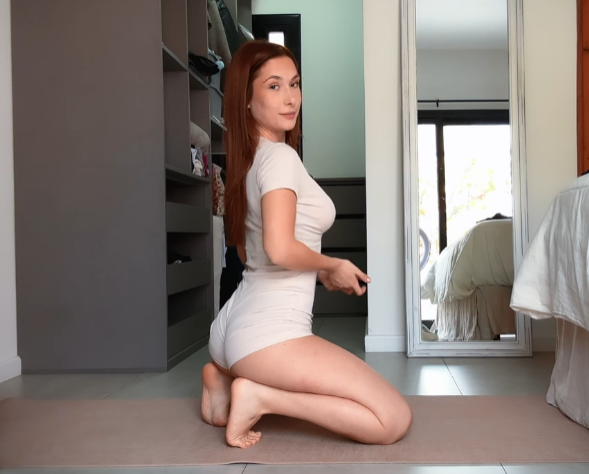
Evening yoga often includes gentle forward folds, which naturally encourage introspection and calm.
Unlike active stretches, evening forward folds are supported and relaxed. Knees can bend, the spine can round, and the head can rest comfortably. The goal is not to stretch deeply, but to let gravity do the work.
These poses quiet the nervous system, slow the heart rate, and signal that it is safe to let go.
As the upper body folds forward, the mind often follows—turning inward, away from external demands.
Hip and Lower Back Release
The hips and lower back are common storage areas for stress, especially emotional tension. Gentle evening stretches here can bring profound relief.
Slow hip openers and reclining poses allow the pelvis to soften. There is no pushing—only allowing.
As these areas release, many people notice a sense of emotional lightness. Sighs, yawns, or deeper breaths may arise naturally. These are signs that the body is letting go.
Calming Twists: Refreshing Without Stimulation
Twists in an evening practice are slow and grounding. They help release tension along the spine while gently stimulating digestion and circulation.
Each twist is guided by breath, not force.
Inhale to lengthen.
Exhale to twist softly.
These movements refresh the body without increasing energy, leaving you feeling balanced rather than alert.
Restorative Poses: Inviting Deep Relaxation
As the routine continues, movement gradually slows. Restorative poses become the focus, using support from the floor, pillows, or blankets if available.
These poses allow the body to completely relax, supported and safe. Muscles release without effort. The mind begins to drift into a quieter state.
This is where the transition to sleep truly begins.
Guided Body Awareness: Calming the Mind

During restorative poses, gentle body awareness is introduced. Attention moves slowly from one area of the body to another, inviting each part to soften.
This practice helps break the cycle of racing thoughts. Instead of replaying the day or worrying about tomorrow, the mind becomes anchored in sensation.
Body awareness is one of the most effective tools for calming anxiety and preparing for rest.
Final Relaxation: Preparing for Sleep
The routine concludes with a final relaxation pose, allowing the benefits of the practice to settle fully.
Breathing is slow and effortless.
The body feels heavy and supported.
The mind is quiet, alert yet calm.
This final stillness is not empty—it is restorative.
You are encouraged to stay here for as long as you like, or to transition directly into bed if practicing before sleep.
Why This Evening Yoga Routine Works
This routine is effective because it aligns with the natural rhythm of the evening. Instead of fighting fatigue or overstimulation, it works with the body’s need to slow down.
It helps by:
- Reducing mental chatter
- Releasing muscle tension
- Calming the nervous system
- Creating a clear boundary between day and night
Consistency enhances these benefits. Even a short evening practice can improve sleep quality and emotional resilience over time.
mIt a Nightly Ritual
Evening yoga does not need to be long or elaborate. What matters most is intention. By returning to this routine regularly, you teach your body and mind that it is safe to rest.
Over time, the practice becomes a signal—a familiar pathway into calm.
You may notice:
- Falling asleep faster
- Waking less during the night
- Feeling more emotionally balanced
- Experiencing less anxiety in the evenings
Carrying the Calm Into Rest
As you close your practice, take a moment to acknowledge yourself. You showed up. You slowed down. You chose care over rush.
Evening Yoga Routine To Calm Your Mind is not just about stretching—it is about creating space for rest.
When you lie down to sleep, the calm you cultivated stays with you, carrying you gently into the night.
And tomorrow, you begin again—rested, grounded, and ready.