In a world that moves fast and demands constant attention, the body often pays the price. Tight shoulders from hours at a desk, stiff hips from sitting too long, a restless mind that refuses to slow down—these are common experiences for many of us. The good news is that you don’t need an hour-long class or advanced yoga skills to feel better. A short, mindful full-body stretching routine can release tension, improve flexibility, and restore a sense of calm.
This quick yoga routine is designed for deep flexibility and relaxation, suitable for beginners and experienced practitioners alike. It can be done at home, on a mat or a soft floor, in about 15–20 minutes. Move slowly, breathe deeply, and listen to your body. This is not about pushing—it’s about softening.
Preparing for Your Practice
Before you begin, find a quiet space where you won’t be disturbed. Wear comfortable clothing and have a yoga mat, towel, or blanket ready. Dim the lights if possible. This routine works best when you allow yourself to be fully present.
Take a moment to stand or sit comfortably. Close your eyes. Inhale deeply through your nose, filling your lungs. Exhale slowly through your mouth. Do this three times, letting the breath signal to your body that it’s safe to relax.
1. Gentle Neck Release (2 minutes)
Tension often collects in the neck and shoulders, especially from stress and screen time. Start here to ease into the practice.
Sit or stand tall with your spine straight.
- Inhale and gently tilt your head to the right, bringing your ear toward your shoulder.
- Exhale and soften into the stretch.
- Hold for 3–5 breaths.
- Slowly return to center and switch sides.
Next, gently drop your chin toward your chest. Feel the stretch along the back of your neck. Avoid rolling your head quickly—keep movements slow and intentional.
This simple release can instantly reduce mental and physical tension.
2. Shoulder Rolls and Arm Stretch (2 minutes)
Bring awareness to the upper body.
- Inhale and lift both shoulders up toward your ears.
- Exhale and roll them back and down.
- Repeat 5 times, then reverse direction.
Extend your right arm across your chest and use your left hand to gently draw it closer. Keep your shoulders relaxed.
- Hold for 5–7 breaths.
- Switch sides.
This opens the shoulders, improves posture, and prepares the arms for deeper stretches.
3. Standing Forward Fold (Uttanasana) (2 minutes)
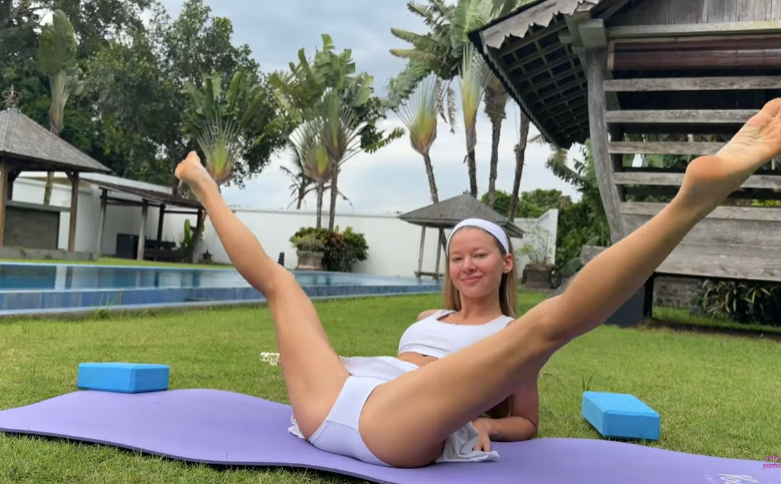
Stand with feet hip-width apart.
- Inhale and raise your arms overhead.
- Exhale and hinge forward from the hips, folding down.
Let your head and neck hang heavy. Bend your knees slightly if your hamstrings feel tight. You can grab opposite elbows and gently sway side to side.
This pose stretches the hamstrings, calves, spine, and helps calm the nervous system by encouraging blood flow to the brain.
Stay here for 5–10 slow breaths.
4. Half Lift to Full Fold Flow (1 minute)
From your forward fold:
- Inhale and place hands on shins, lifting your chest halfway.
- Lengthen your spine.
- Exhale and fold back down.
Repeat this gentle flow 3–5 times, syncing movement with breath. This awakens the spine and improves mobility without strain.
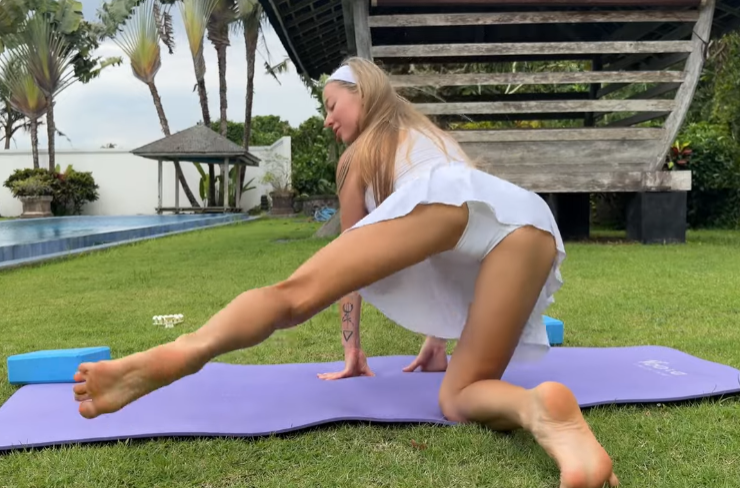
5. Low Lunge Hip Opener (Anjaneyasana) (3 minutes)
Step your right foot back into a low lunge, left knee bent, right knee resting on the floor.
- Inhale and lift your chest.
- Exhale and sink hips forward gently.
Hips store emotional and physical tension. This stretch can feel intense—go slow.
Optionally raise your arms overhead for a deeper stretch, or keep hands on your thigh for support.
Hold for 5–8 breaths, then switch sides.
6. Seated Forward Fold (Paschimottanasana) (2 minutes)
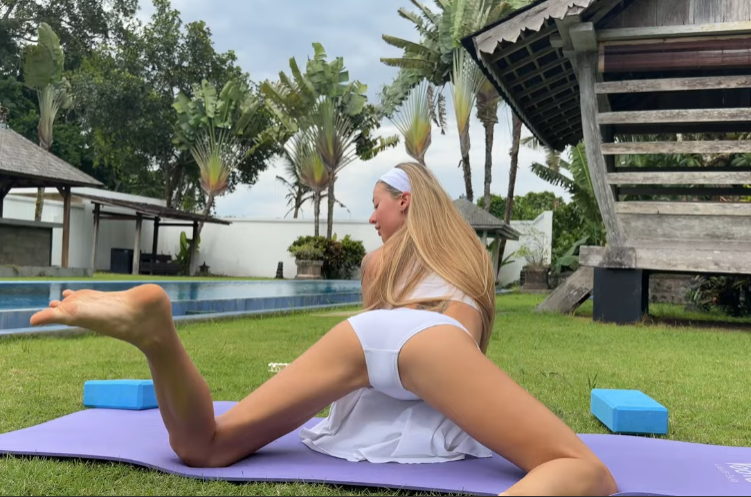
Sit on the floor with legs extended in front of you.
- Inhale and lengthen your spine.
- Exhale and fold forward from the hips.
Rest your hands on your shins, ankles, or feet. Don’t force your body—let gravity do the work.
This pose deeply stretches the lower back and hamstrings, and encourages introspection and calm.
Stay for 8–10 slow breaths.
7. Supine Spinal Twist (2 minutes)
Lie on your back and hug your right knee into your chest.
- Exhale and guide the knee across your body to the left.
- Extend your right arm out to the side and turn your gaze gently to the right.
This twist releases tension in the spine and massages internal organs.
Hold for 5–7 breaths, then switch sides.
8. Happy Baby Pose (Ananda Balasana) (1–2 minutes)
Remain on your back.
- Bend both knees and grab the outsides of your feet.
- Draw knees toward the armpits.
- Gently rock side to side.
This playful pose opens the hips and lower back while encouraging a sense of ease and lightness.
If grabbing your feet is uncomfortable, hold behind your thighs instead.
9. Reclined Butterfly Pose (Supta Baddha Konasana) (2 minutes)
Bring the soles of your feet together and let your knees fall open.
Place one hand on your chest and one on your belly.
Close your eyes. Breathe deeply.
This pose promotes deep relaxation, opens the hips, and calms the heart rate. If your knees feel strained, support them with pillows or folded blankets.
10. Full-Body Relaxation (Savasana) (3–5 minutes)
Lie flat on your back, legs extended, arms resting by your sides with palms facing up.
This is the most important pose of the practice.
Allow your body to completely let go. Feel the floor supporting you. Let your breath become natural.
Scan your body from head to toe, consciously releasing any remaining tension.
If thoughts arise, don’t fight them. Simply return your attention to the breath.
Stay here as long as you like.
Closing the Practice
When you’re ready, gently wiggle your fingers and toes. Roll onto your side and slowly come up to a seated position.
Bring your hands together at your heart. Take one final deep breath.
Notice how your body feels—lighter, looser, calmer.
Benefits of This Quick Yoga Routine
Practicing this full-body stretching routine regularly can help:
- Improve overall flexibility
- Reduce muscle stiffness and joint pain
- Calm the nervous system
- Improve posture and circulation
- Enhance sleep quality
- Increase body awareness and mindfulness
Even a short daily practice can create powerful long-term changes.
Final Thoughts
Yoga isn’t about perfection or performance—it’s about connection. Connection to your breath, your body, and the present moment. This quick full-body stretching routine is a reminder that relaxation doesn’t have to be complicated. Sometimes, all it takes is a few mindful movements and a willingness to slow down.
Return to this practice whenever you feel tight, overwhelmed, or disconnected. Let it be your reset—your quiet pause in a busy world.
Breathe deeply. Move gently. Relax fully.