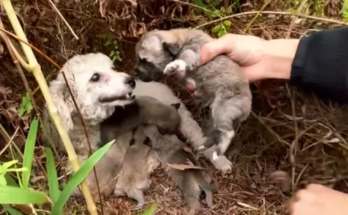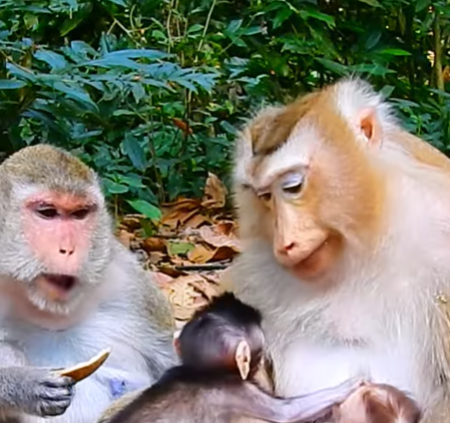

In the quiet corners of nature, a gentle scene unfolds daily—a mother animal and her baby resting side by side, sharing moments of warmth, connection, and calm. These images, so ordinary in the wild yet extraordinary in their emotional resonance, hold a power few humans fully realize. Watching a mother and her young at ease can bring relaxation, stress relief, and a deep appreciation for life’s simple, tender moments.
Motherhood in the animal kingdom is a delicate balance of vigilance, protection, and affection. From the tiniest hummingbird caring for her chick to the majestic elephant guiding her calf through the savannah, maternal love is universal. The bond between mother and baby is not only instinctual but also emotionally profound. Observing these moments provides insight into the innate beauty of care, trust, and security. It is no wonder that watching them can be deeply therapeutic for humans.
Take, for example, a scene in a lush forest where a doe and her fawn rest under the dappled sunlight. The doe stands alert, yet her posture is calm, radiating reassurance to her tiny offspring nestled beside her. The fawn’s breathing is steady, and its small head rests on the ground or against its mother’s flank. Every twitch of the ears, every gentle nuzzle, signals safety and trust. For a human observer, even from a distance, the effect is calming—an invitation to breathe slowly, let go of tension, and simply witness the peaceful coexistence of life.
Similarly, in the tropical forests of Southeast Asia, a mother orangutan cradles her baby as they swing slowly from branch to branch. The baby clings tightly to its mother’s fur, eyes wide with curiosity but comforted by her presence. She moves with deliberate care, her arms strong and patient, ensuring that every step is safe. There is no rush, no panic—just movement, connection, and trust. Watching such a pair can reduce stress almost immediately. Their slow, intentional motion invites the observer to mirror their calm, grounding the mind and relieving tension.
Aquatic animals also provide striking examples of maternal care and relaxation. Consider a mother dolphin and her calf gliding through gentle ocean currents. The mother adjusts her speed, ensuring the calf keeps pace, while occasional playful leaps break the rhythm with joy. The calf mirrors her movements, learning essential survival skills in a safe, supportive environment. Observing these moments can induce a sense of fluidity and release in the human mind, as if the rhythmic motion of the water and the mother-calf duo washes away accumulated stress.
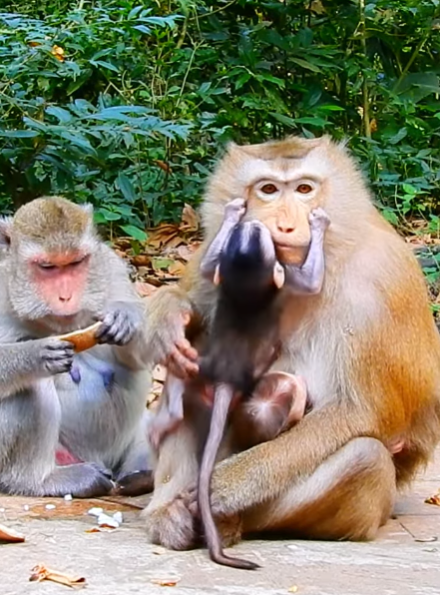
In many cases, the sight of a mother grooming or cuddling her young is particularly soothing. Grooming serves multiple purposes: it strengthens social bonds, maintains hygiene, and creates a sense of intimacy and trust. A mother monkey gently picking through her baby’s fur, removing dirt or small insects, demonstrates patience and attentiveness. The baby leans in, fully relaxed, trusting that its mother’s touch is gentle and protective. Witnessing such moments can trigger a calming response in humans. Studies have shown that observing nurturing behavior in animals can reduce cortisol levels and promote feelings of safety and relaxation.
The appeal of these moments is not limited to one species or habitat. In the savannah, a lioness lounges with her cubs, licking them gently and nudging them toward shade. In the snowy tundra, a polar bear mother allows her cubs to play in the snow while she rests, ever alert but serene. In both cases, the mother’s calm presence encourages relaxation in the young, and that tranquility is contagious to anyone who observes them.
Part of the stress-relieving effect comes from the universality of maternal care. Humans instinctively recognize the cues of safety, nurturing, and protection. When we see a mother animal holding her baby close, our minds interpret it as a sign that the world is, at least in this moment, secure and ordered. That perception triggers a relaxation response—our breathing slows, muscles loosen, and anxiety diminishes.
Another factor is the gentle rhythm of movement. Many mother-baby interactions involve repetitive, soothing actions—rocking, grooming, swimming side by side, or walking in a coordinated pattern. These repetitive patterns engage our mirror neurons, prompting us to mirror their calm. It is no surprise that videos or images of mother and baby animals are frequently used in stress-relief practices, mindfulness exercises, and even therapy sessions.
Observing the innocence and vulnerability of baby animals also evokes feelings of empathy and joy. When a baby elephant nuzzles its mother’s trunk, or a kitten curls against its mother for warmth, the pure display of dependence and trust resonates with viewers. This connection can distract from everyday stressors, allowing the mind to focus on something universally beautiful and inherently positive.
Nature itself adds to the therapeutic effect. Whether it is the green canopy of a jungle, the soft glow of sunlight on a meadow, or the gentle ripple of water in a river where a mother duck and her ducklings glide, the environment enhances the calming experience. The combination of visual serenity, maternal affection, and playful innocence creates a holistic sensory moment that is incredibly restorative.
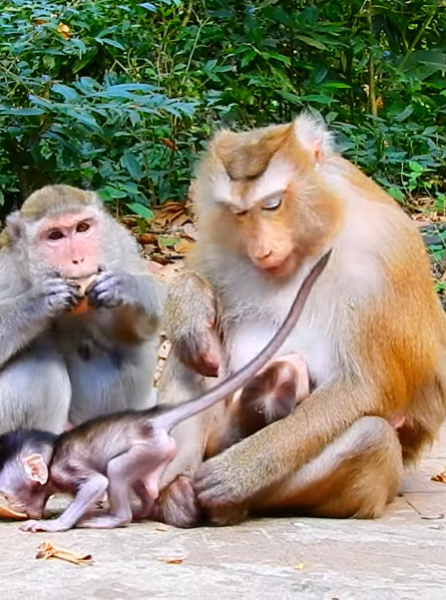
Beyond simple observation, humans can even apply lessons from these interactions to their own lives. Mother animals exemplify patience, attentiveness, and the importance of creating safe spaces for growth and exploration. Watching a mother allow her baby to explore, while remaining ready to intervene if danger arises, provides insight into balancing freedom and guidance. It is a subtle reminder to care for those we love while respecting their autonomy—a lesson equally applicable to parenting, mentoring, or leadership.
The stress-relief effect of observing beautiful mom-and-baby animal pairs has been documented in multiple studies. Watching nurturing behaviors, playful interactions, and gentle bonding triggers the release of oxytocin, the so-called “love hormone,” while reducing cortisol levels. This biochemical response explains why so many people report feeling calmer, happier, and more relaxed after spending time with animals or even viewing videos and photos of mother and baby pairs.
In today’s fast-paced, often stressful world, these moments of connection are increasingly valuable. Whether in the form of wildlife documentaries, social media clips, or visits to nature reserves, observing mother and baby animals provides an accessible way to slow down, breathe deeply, and experience joy and serenity. The natural rhythms, gentle interactions, and evident bonds remind us that life can be simple, compassionate, and filled with quiet beauty.
In conclusion, the sight of a beautiful mom and her baby relaxing together is more than just visually pleasing—it is emotionally restorative. Across species, habitats, and behaviors, maternal care exemplifies patience, attentiveness, and trust. Baby animals, with their boundless curiosity and gentle dependence, evoke empathy, joy, and relaxation. Together, they create a powerful, calming experience that relieves stress and restores balance in the human mind.
Whether it is a mother monkey grooming her baby, a dolphin guiding her calf through the waves, or a doe resting with her fawn under the forest canopy, these moments remind us of the importance of care, connection, and presence. Watching them teaches us to slow down, breathe, and appreciate the quiet, tender moments that make life beautiful. In their gentle rhythms and visible bonds, we find an oasis of calm—a reminder that even in a world full of stress, beauty, love, and relaxation can always be found in the simple act of a mother and her baby being together.