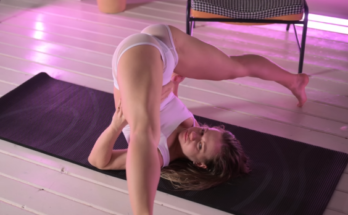
Mornings often arrive before the body is ready. The alarm rings, the mind switches on, but the body feels heavy, stiff, and uncooperative. Muscles are tight, joints feel rusty, and even simple movements take effort. Instead of forcing yourself into the day with caffeine and tension, there is a gentler, more effective way to start—by waking up your body through a short yoga mobility flow.
This “Wake Up Your Body in Minutes” yoga mobility follow-along is designed to bring life back into your muscles and joints quickly and safely. You don’t need a full hour or advanced flexibility. With just a few mindful minutes, you can shift from stiffness to ease, from grogginess to clarity, and from tension to flow.
Why Morning Mobility Matters
During sleep, the body stays mostly still for hours. Joints lose lubrication, muscles shorten, and circulation slows. When you suddenly jump into movement without preparation, the body resists. This is why mornings often come with tight backs, stiff hips, and restricted shoulders.
Morning yoga mobility gently reverses this process. It restores circulation, improves joint range of motion, and activates the nervous system in a calm, controlled way. Instead of shocking the body awake, you invite it to rise with awareness.
What Is Yoga Mobility?
Yoga mobility blends traditional yoga poses with controlled, flowing movement. Unlike static stretching, mobility focuses on moving through ranges of motion with strength and control. The goal is not just flexibility, but freedom—freedom to move without pain or restriction.
This follow-along style encourages you to move at your own pace, listen to your body, and breathe deeply throughout the practice.
What You’ll Need

Nothing fancy. A small space, comfortable clothing, and a few minutes of uninterrupted time. A yoga mat is helpful but optional. Most importantly, bring patience. Morning stiffness is normal, and progress happens gradually.
Minute 0–2: Gentle Arrival & Breath
Begin seated or standing, bringing attention to your breath. Inhale slowly through the nose, expanding the ribs. Exhale fully, letting the shoulders drop.
Gentle neck movements follow—slow circles, side bends, and nods. These movements release tension that often builds overnight and prepare the nervous system for deeper motion.
Minute 2–4: Spine Awakening
The spine is the highway of the nervous system, and waking it up is essential. Move into gentle spinal flexion and extension, such as slow forward folds and gentle backbends.
Move with the breath. Inhale as you lengthen, exhale as you round. This simple pattern helps lubricate the spinal joints and ease lower back stiffness.
Minute 4–6: Shoulder & Upper Body Flow

Morning stiffness often lives in the shoulders and upper back. Flowing arm movements, shoulder rolls, and gentle twists help open these areas.
Raise your arms overhead with control, then lower them slowly. Add gentle rotations of the upper spine to improve mobility and posture. You may notice your breathing becoming deeper and more relaxed as tension melts away.
Minute 6–8: Hip Mobility & Lower Body Activation
The hips connect the upper and lower body, and they often feel tight in the morning. Slow lunges, hip circles, and gentle squats help wake up this area.
Keep the movements smooth and pain-free. Focus on balance and control rather than depth. As the hips loosen, the lower back often feels immediate relief.
Minute 8–10: Full Body Integration
Now everything begins to flow together. Movements link the arms, spine, hips, and legs into one continuous pattern. This is where the body truly wakes up.
The core engages naturally to support movement. Balance improves. Coordination sharpens. You may feel a gentle warmth spreading through your muscles—a sign that circulation is increasing.
Minute 10–12: Grounding & Energy Reset

Slow the pace again. Return to gentle stretches and deep breathing. Allow the body to absorb the benefits of the flow.
Finish in a comfortable standing or seated position, noticing how different your body feels compared to when you started. Lighter. Freer. Awake.
Benefits You’ll Feel Immediately
Even a short yoga mobility follow-along can create noticeable changes:
- Reduced stiffness in joints and muscles
- Improved posture and breathing
- Increased energy without overstimulation
- Greater mental clarity and focus
- A sense of calm readiness for the day
This practice doesn’t drain energy—it creates it.
Who Is This Practice For?
This routine is suitable for everyone:
- Beginners who want a gentle start
- Busy people with limited time
- Athletes needing joint preparation
- Anyone feeling stiff, tired, or disconnected
Movements can be modified or skipped as needed. The goal is to support your body, not challenge it aggressively.
How Often Should You Do It?
Daily is ideal, especially in the morning. Even three to five minutes can make a difference. Over time, the body learns to wake up more easily, and morning stiffness becomes less intense.
This practice also works well during work breaks or anytime you feel sluggish.
A Gentle Way to Start the Day
Waking up your body doesn’t require intensity or discipline. It requires attention. This yoga mobility follow-along is an invitation to listen, breathe, and move with kindness.
By taking just a few minutes to care for your body first thing in the morning, you set the tone for the rest of the day. Movements feel easier. Stress feels lighter. The body feels like an ally rather than an obstacle.
You don’t need to push. You don’t need to rush.
Just breathe, move, and let your body wake up—one gentle moment at a time.