The road was quiet in the early morning, stretching long and empty beneath a pale sky. A single car slowed near a patch of tall grass, its tires crunching over gravel. The driver stepped out, opened the back door, and pulled a dog gently—but firmly—onto the roadside. For a moment, the dog wagged his tail, believing this was just another stop, another short walk before returning home.
Then the door slammed.
The engine roared.
And the car disappeared.
The dog stood frozen, ears perked, eyes fixed on the place where his person had been. He waited. Dogs are good at waiting. They wait for meals, for walks, for love. He waited through the dust settling, through the echo of the engine fading into nothing. When the car didn’t come back, confusion crept in. He trotted a few steps down the road, sniffing the air, trying to find the familiar scent that had always meant safety.
It wasn’t there.
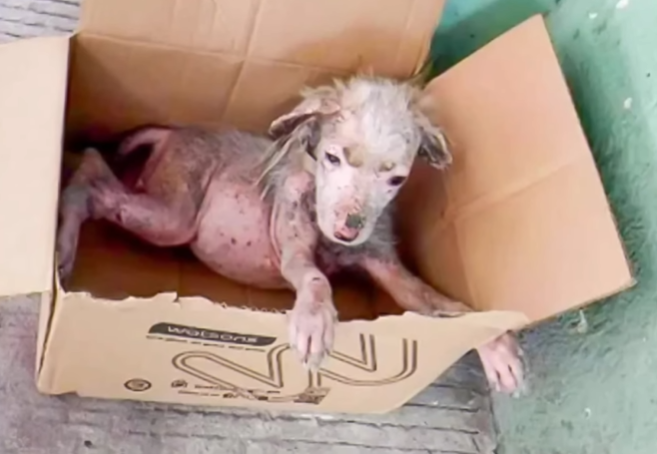
The sun climbed higher. Heat pressed down on the asphalt. The dog—medium-sized, brown, with a white stripe down his nose—sat by the roadside, watching every passing vehicle. Each time a car appeared, his tail lifted with hope. Each time it passed without slowing, his tail fell again.
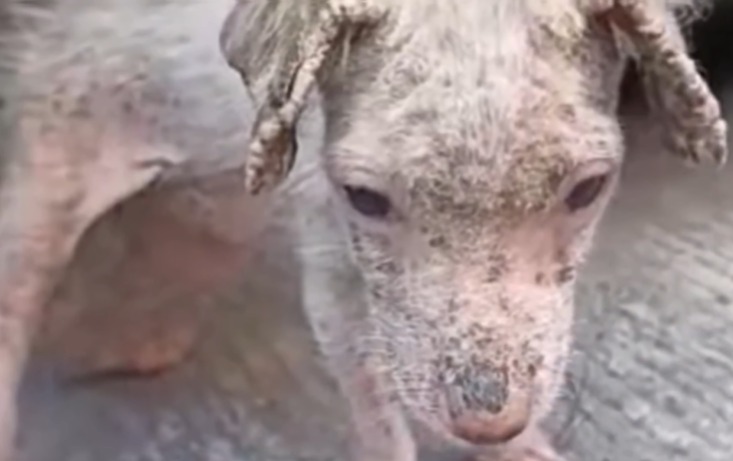
He didn’t understand abandonment. He only understood loyalty.
Hours passed. Hunger gnawed at his stomach. Thirst dried his tongue. Still, he refused to leave the spot. This was where he had been left, and surely this was where he would be found again. He curled up beside a bent road sign, using its thin shadow for shade, and waited some more.
Cars came and went. Some drivers noticed him and shook their heads. Others didn’t notice at all. A few slowed, then sped up again, unwilling to stop on a lonely stretch of road for a dog that might be aggressive, sick, or already lost.
By late afternoon, the heat became unbearable. The dog stood, swayed, and nearly collapsed. He stumbled toward the grass, hoping for water, but found only dry soil and insects. He lay down, panting heavily, eyes half-closed.
This was how he might have died—quietly, forgotten, loyal to the very end.
But fate had other plans.
A truck approached, slower than the others. It pulled over a short distance away. A woman stepped out, shielding her eyes from the sun. She had seen the dog from afar and something about the way he didn’t move, didn’t bark, didn’t run, made her stop.
She crouched and called softly.
The dog lifted his head. His eyes met hers, tired but gentle. His tail moved once, weakly. That was all it took.
She approached carefully, speaking in a calm, steady voice. The dog didn’t run. He didn’t even stand. He just watched her, as if asking a silent question: Are you staying, or are you leaving too?
She offered water. He drank desperately, spilling more than he swallowed. Then she offered food from her bag. He hesitated—dogs who are abandoned often learn that food can disappear as suddenly as people—but hunger won. He ate slowly, gratefully, never taking his eyes off her.
When she tried to coax him into her truck, he panicked. He backed away, whining, glancing down the road where his owner had vanished. His heart was still there, tied to someone who no longer wanted it.
The woman didn’t force him.
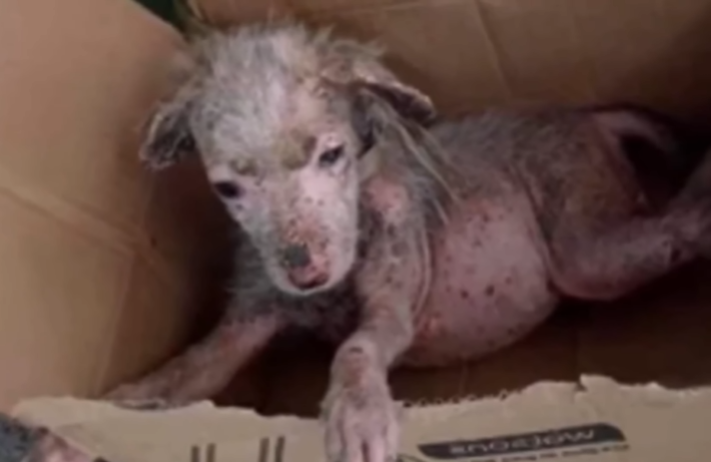
She sat down on the gravel beside him and waited.
Minutes passed. Then more. The sun dipped lower. Eventually, the dog stood and stepped closer to her. He sniffed her hands, then leaned against her leg, trembling. It was a small act of courage—but it changed everything.
She lifted him gently and placed him in the truck.
At the veterinary clinic, the truth unfolded. The dog was dehydrated, underweight, and exhausted. His collar was old and worn, but there was no tag. A scan revealed no microchip. The vet shook his head. “He’s been someone’s dog,” he said. “Not feral. Not stray. Someone just… left him.”
The woman felt anger rise in her chest—but also determination.
She contacted a local rescue, sharing his story. Photos of the abandoned roadside dog spread quickly online. People were outraged. Comments poured in—some furious, some heartbroken, some offering help. Donations arrived. Volunteers offered fosters. For the first time since the car drove away, the dog was surrounded by people who cared.
They named him Chance.
Chance adjusted slowly. Loud engine noises made him flinch. Whenever someone stood up too quickly, he watched them nervously, afraid they were about to leave forever. But he was gentle, affectionate, and eager to please. He followed people everywhere, as if afraid that if he lost sight of them, he would lose them completely.
Days turned into weeks. Chance grew stronger. His coat regained its shine. His eyes brightened. He learned that food came regularly now, that hands meant comfort, not abandonment. Still, every time a car pulled into the rescue yard, he ran to the gate, tail wagging cautiously.
One afternoon, a family arrived.
They hadn’t planned to adopt that day. They had just come to donate supplies. But when Chance approached them—sat quietly, leaned into the father’s leg, and looked up with soft, hopeful eyes—something shifted. The mother knelt down. The children giggled as Chance licked their fingers gently.
They spent hours with him.
By the end of the day, they filled out the paperwork.
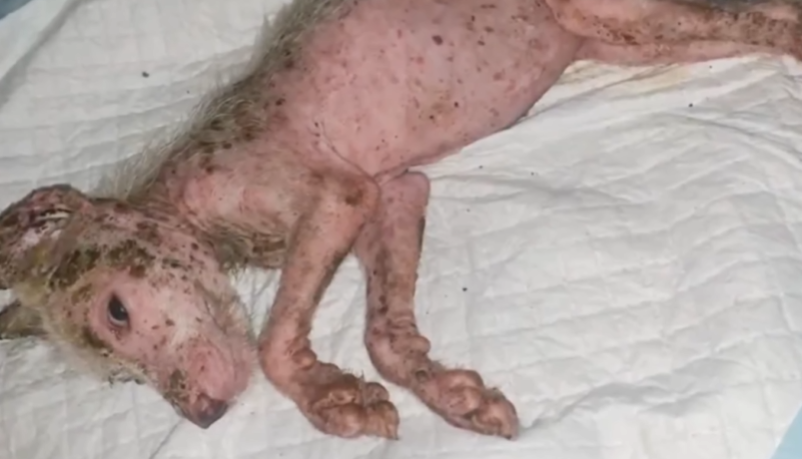
Chance went home.
His new house had a yard, a warm bed, and people who spoke his name with love. The first night, he paced, whining softly, unsure if this was real. The father slept on the floor beside him until Chance finally curled up and rested his head on the man’s arm.
Weeks later, something unbelievable happened.
While scrolling through social media, the woman who had rescued Chance from the roadside saw a familiar car in a video—parked at a gas station, the driver bragging about “getting rid of a problem dog.” The license plate was clear. The story spread again, this time with consequences. Authorities were notified. An investigation followed.
Justice, slow but steady, arrived.
Chance never knew about the investigation. What he knew was this: every morning, someone filled his bowl. Every evening, someone called him inside. Every night, someone made sure he was safe.
Sometimes, on walks, he paused by the road and watched cars pass. His ears lifted. His tail stilled. Then he turned back to his family and continued walking.
The man who abandoned him believed the story would end on that roadside.
What happened next was unbelievable—not because Chance survived, but because he found something stronger than loyalty to the past.
He found a future.
And he never had to wait by the road again.