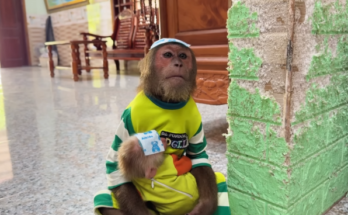
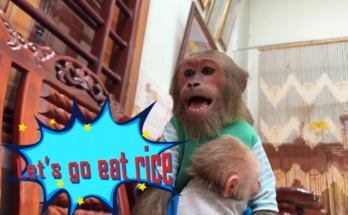
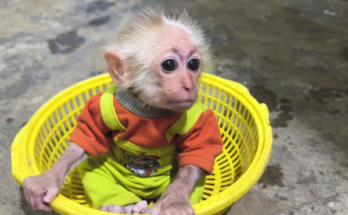
The morning sun slipped through the wooden window and landed softly on the small mat where Milo, a baby monkey, usually slept curled like a question mark. On this day, however, Milo was not asleep. His tiny arms were crossed, his tail flicked back and forth, and his dark eyes watched every movement in the room. Something was wrong, and everyone could feel it—even before Milo let out a sharp little squeak of protest.
Milo lived with his owner, Dara, a gentle man who had rescued him months ago after Milo was found alone near a forest edge. Dara had promised himself that he would care for the baby monkey with patience and respect, giving him safety and kindness while also preparing him for a more natural life. Most days, Milo was playful and curious. He liked to climb Dara’s shoulder, tug at his hair, and steal shiny objects just to see what would happen. But today was different. Today, Milo was angry.
The trouble began with breakfast.
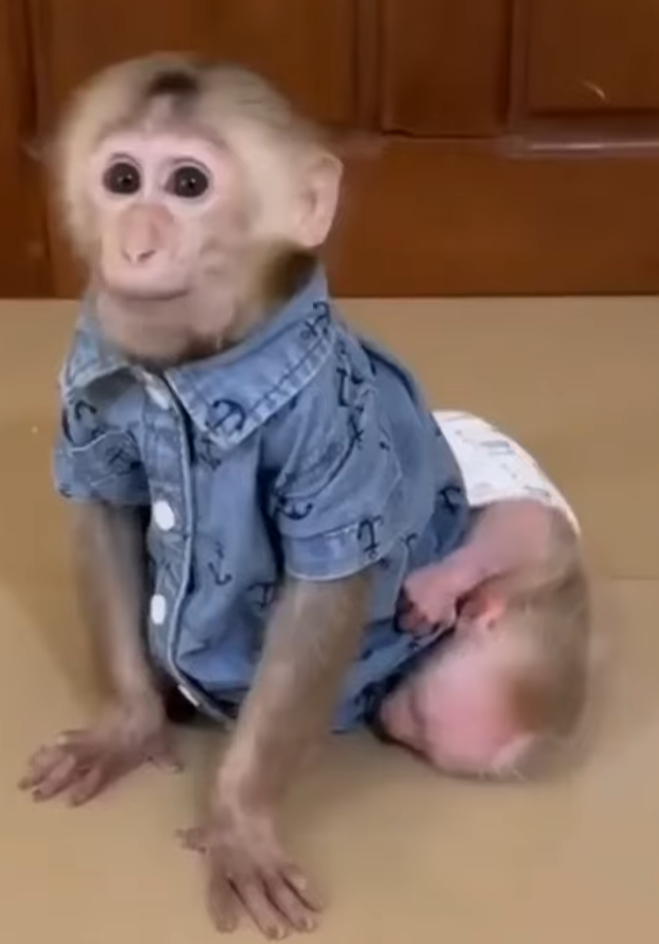
Usually, breakfast was Milo’s favorite time. Soft fruit, warm mashed vegetables, and a little milk in a shallow bowl made him chatter happily. But this morning, Dara was late. A neighbor had come early with a problem, and Dara had stepped outside longer than planned. When he returned, Milo was already upset. He pushed the bowl away, slapped the mat with his tiny hand, and let out a high, complaining cry.
Dara knelt beside him. “I’m sorry, little one,” he said softly. “I didn’t mean to keep you waiting.”
Milo did not accept the apology. He turned his back, puffed his fur, and climbed onto a low shelf, looking down at Dara with narrowed eyes. It was the kind of look that clearly said, I am not happy with you.
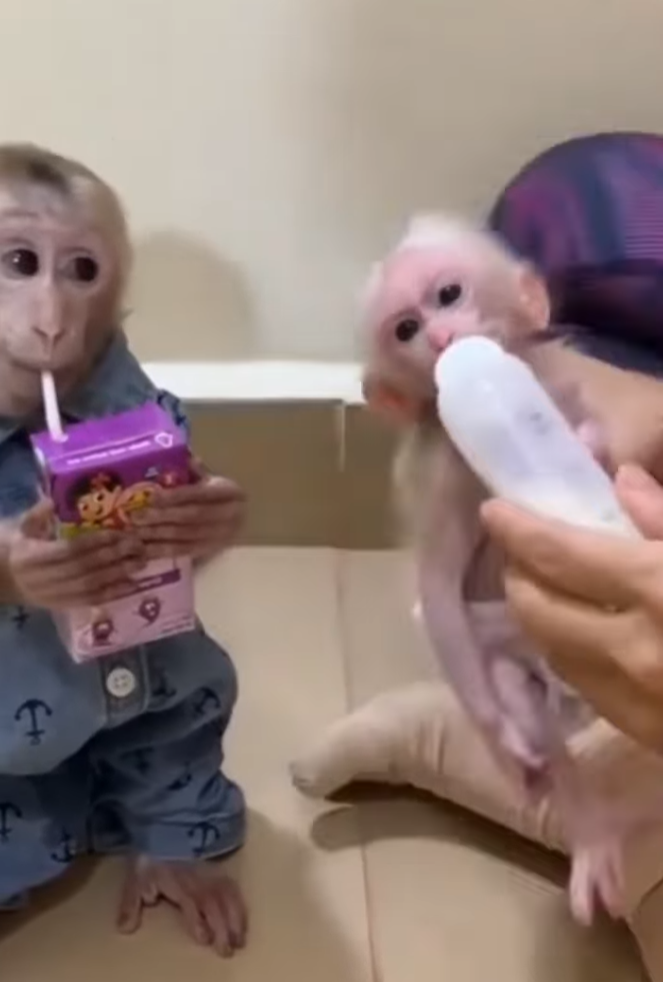
As the day went on, Milo’s anger grew. When Dara tried to carry him outside for fresh air, Milo wriggled free and jumped down, stamping his feet. When Dara offered a toy made of rope and wood, Milo tossed it aside. Even the gentle scratching behind his ears—something he usually loved—was rejected with a sharp squeal.
Dara felt confused and a little hurt, but he reminded himself that Milo was still a baby. Baby animals, like human children, had big feelings they didn’t yet know how to manage. Instead of forcing Milo to behave, Dara chose to watch carefully. He wanted to understand what Milo was trying to say.
In the afternoon, the reason slowly became clear.
Dara had recently started setting small boundaries. He didn’t let Milo grab everything anymore. He encouraged him to feed himself and spend short moments playing independently. These changes were meant to help Milo grow stronger and more confident. But to Milo, they felt like rejection.
When Dara gently stopped him from climbing the cooking table, Milo exploded with anger. He bared his tiny teeth—not in danger, but in frustration—and slapped the floor. Then he ran to a corner and sat there, hugging his knees, making quiet, upset sounds.
Dara’s heart sank.
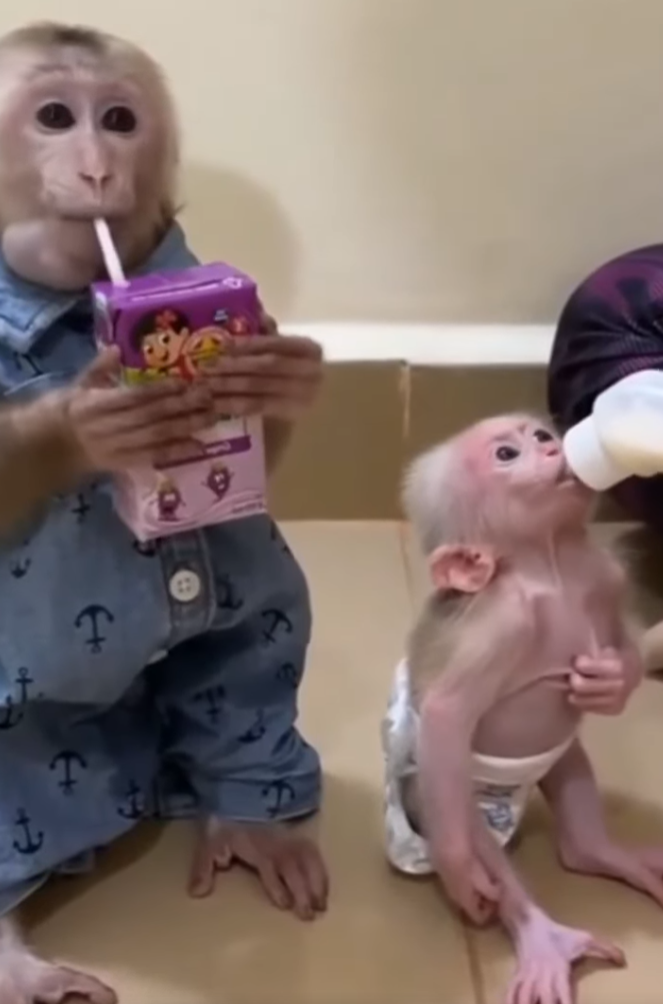
He sat down on the floor, not too close, giving Milo space. He spoke softly, not trying to command or scold. “I know you’re upset,” he said. “It’s hard when things change.”
Milo peeked through his fingers. His eyes were shiny, not fierce anymore—just confused and hurt. After a long moment, he scooted a little closer, then stopped. Dara didn’t move. He waited.
Slowly, Milo reached out and touched Dara’s finger.
That small touch changed everything.
The anger didn’t disappear right away, but it softened. Milo climbed into Dara’s lap, not to play, but to sit quietly. His body relaxed as Dara breathed slowly, steady and calm. In that moment, Milo learned something important: being angry didn’t mean he was alone.
Over the next few days, Dara made small adjustments. He kept routines clear and predictable. He gave Milo choices—two fruits instead of one, two toys instead of none. When Milo showed anger, Dara stayed calm, showing him that feelings were allowed, but hurting or throwing things was not.
Milo also began to change.
One morning, when Dara was late again, Milo huffed—but instead of throwing his bowl, he waited. He watched the door. When Dara arrived, Milo squeaked loudly, as if saying, I was mad, but I’m still here.
They were learning each other’s language.
Anger, Dara realized, was not the enemy. It was a message. Milo’s anger said he cared, that he was attached, that he noticed every change. For a baby monkey who had once been alone, those feelings mattered deeply.
As weeks passed, Milo grew calmer and more confident. He still had moments of frustration—like when he couldn’t reach a high branch or when Dara said no—but those moments no longer turned into storms. Instead, they became lessons in patience and trust.
One evening, as the sun set and painted the sky orange, Milo sat beside Dara, munching on a piece of fruit. He leaned his small head against Dara’s arm, peaceful and warm.
Dara smiled.
The baby monkey who once got angry at his owner had not been bad or ungrateful. He had simply been learning how to feel safe, how to grow, and how to share his world with someone who cared. And together, through patience and understanding, both had grown stronger.
Sometimes, love begins with anger—but it lasts through kindness.