
Morning light spills gently across the floor as the mat is unrolled, signaling the beginning of a mindful ritual. Rose.brown Yoga – stretches before riding is not just a warm-up; it is a conversation between breath and body, a moment of preparation that honors both movement and stillness. Before the saddle, before the road, before the rhythm of riding begins, the body deserves attention, care, and intention.
Riding—whether on a bicycle, a motorbike, or a horse—demands balance, flexibility, focus, and strength. Tight hips, stiff shoulders, and an unprepared spine can limit performance and increase the risk of discomfort or injury. This yoga sequence is designed to awaken the body gently, opening key muscle groups while calming the mind. It’s about arriving fully present before you ride.
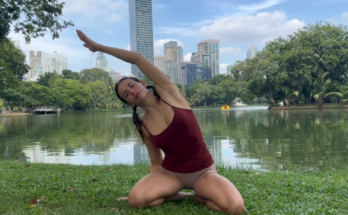
The practice begins in a comfortable standing position. Feet are placed hip-width apart, knees soft, spine tall. A deep inhale lifts the arms overhead, inviting length through the sides of the body. On the exhale, the arms float down, shoulders releasing tension. This simple movement signals the nervous system that it’s time to transition—from daily life into mindful motion.
Neck stretches come next, slow and deliberate. The head tilts gently from side to side, releasing tension often stored from stress or long hours of focus. Riders rely heavily on awareness and reaction time; freeing the neck improves mobility and helps maintain a relaxed, upright posture once riding begins. Each movement is paired with steady breathing, reinforcing calm and control.
From the neck, attention moves to the shoulders. Shoulder rolls, first backward then forward, awaken the upper body and improve circulation. The arms cross the chest in gentle hugs, stretching the upper back and releasing stiffness between the shoulder blades. For riders, relaxed shoulders mean better control, smoother handling, and less fatigue over time.
The spine is warmed through gentle twists. Standing tall, one hand rests on the opposite thigh while the other reaches behind, twisting softly from the waist. These twists increase spinal mobility and prepare the body for rotational movements involved in steering, balance, and directional changes. The emphasis is on ease—no forcing, only fluid motion.
Next, the practice transitions into hip-focused stretches, essential for any type of riding. Hip circles loosen the joints, improving range of motion and comfort in the saddle. Lunges follow, opening the hip flexors that often become tight from sitting. As the pelvis sinks forward, the chest stays lifted, creating space through the front of the body. These stretches help prevent lower back strain and promote a more stable riding position.
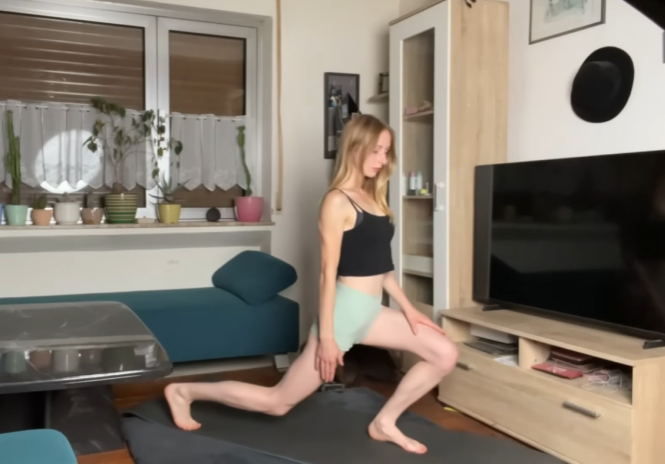
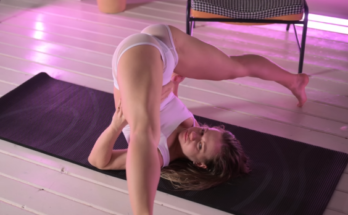
From the lunge, hamstring stretches gently lengthen the backs of the legs. One leg straightens while the hips shift back, folding slightly over the thigh. Hamstrings play a major role in stability and endurance; keeping them flexible supports smoother movement and better shock absorption while riding. The breath remains steady, encouraging muscles to relax rather than resist.
The sequence then flows into gentle squats. Lowering down slowly, the heels stay grounded as the hips sink back. This movement activates the glutes, thighs, and core—key muscles for power and control. Rising with an inhale, the body feels warmer, stronger, and more awake. These functional movements bridge the gap between stretching and strength, preparing the body for real-world motion.
Ankle mobility is often overlooked but crucial for riding balance. Slow ankle circles and calf stretches increase flexibility and improve circulation to the feet. Stable, responsive ankles enhance connection with pedals, stirrups, or footrests, contributing to overall control and comfort during the ride.
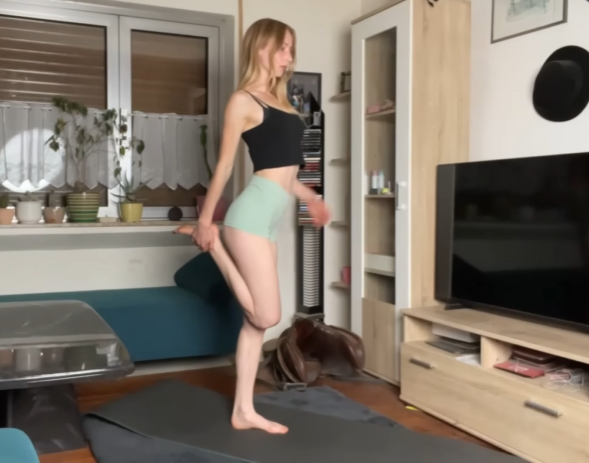
As the body warms, balance poses are introduced. Standing on one leg, the other foot rests lightly against the calf or ankle. Arms extend or rest at the heart, depending on comfort. These poses sharpen focus and coordination, training the mind and body to work together—an essential skill for safe and enjoyable riding.
The practice gradually lowers to the mat for deeper stretches. Seated forward folds release the spine and hamstrings, while gentle butterfly stretches open the inner thighs and hips. These positions encourage relaxation and flexibility without strain. The body begins to feel open, supple, and ready.
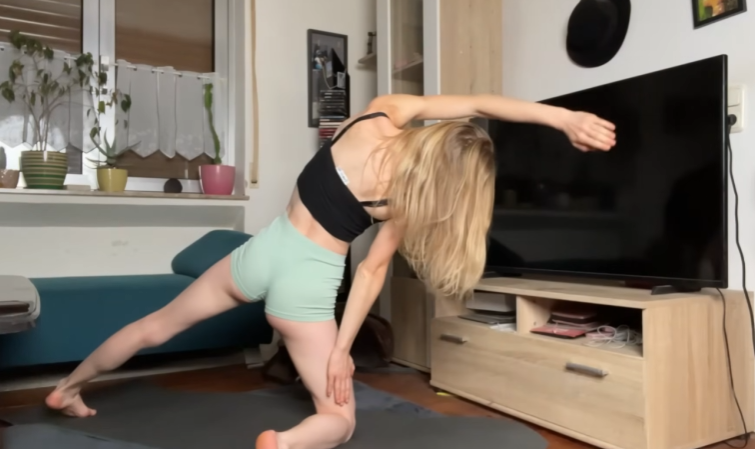
A brief backbend follows—perhaps a gentle cobra or supported bridge—to counteract forward folding and awaken the front body. Opening the chest improves breathing capacity, allowing deeper, more efficient breaths during riding. It also promotes confidence and alertness, qualities every rider benefits from.
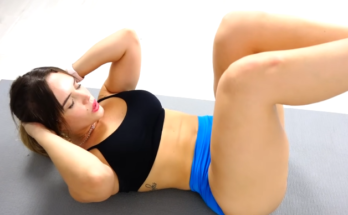
Before closing, a moment of stillness is offered. Lying comfortably, hands resting on the abdomen, attention returns to the breath. This pause allows the body to integrate the work and the mind to settle. Riding is not just physical; it requires presence and awareness. This moment of calm strengthens that connection.
The practice ends with a seated posture, hands at the heart, acknowledging the body’s effort and readiness. Rose.brown Yoga – stretches before riding is a reminder that preparation is an act of respect—for the body, the journey, and the experience ahead. These stretches don’t take long, but their impact lasts throughout the ride.
By taking time to stretch before riding, you reduce tension, improve performance, and move with greater ease and confidence. More importantly, you create a ritual—one that transforms riding from a routine activity into a mindful experience. With the body open and the mind clear, you’re ready to ride smoothly, safely, and with joy.
Roll up the mat, take one last deep breath, and step into your ride fully prepared—grounded, flexible, and free. 🧘♀️🌿